



Spain is at the international forefront with the Jane Goodall Law, which prohibits scientific experimentation with chimpanzees, gorillas, orangutans, and bonobos, as well as eradicating their use in commercial shows.
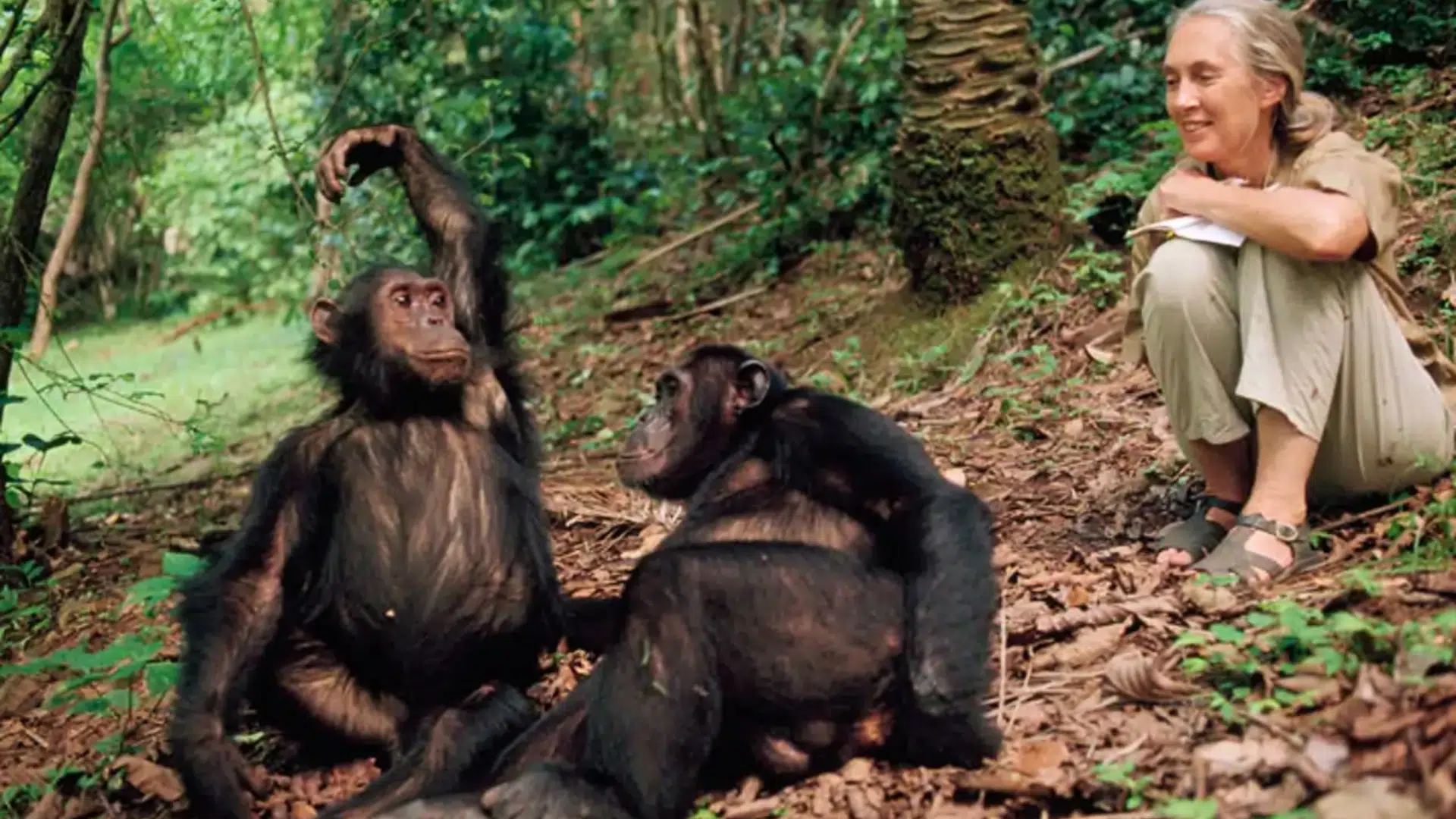
Inspired by the famous primatologist, the regulation recognizes the cognitive, social, and emotional capacities of the great apes, granting them a special protection status.
Key Prohibitions
- Scientific experimentation: banned in any laboratory, regardless of medical or cosmetic purpose.
- Commercial shows: their participation in film, advertising, or variety shows is prohibited.
- Degrading activities: any action that undermines the dignity of the animals will be sanctioned.
Management of Captive Apes
The law not only prohibits new activities but also establishes a roadmap to transfer apes still living in exploitative conditions to specialized sanctuaries.
These spaces aim to recreate their natural habitat, allowing them to live in stable social groups free from human pressures.
Scientific and Social Impact
The regulation encourages the scientific community to develop alternative methods that do not involve beings with such developed self-awareness.
It aligns with humanistic currents of modern science and sends a clear message to Spanish society: respect for biodiversity must be a guiding principle.
International Comparison
The global landscape shows progressive advances towards the protection of primates:
- European Union: effectively prohibits the use of great apes in research.
- United States: the NIH definitively banned medical experimentation with chimpanzees.
- Gabon: strictly protects great apes in its reserves.
- United Kingdom, New Zealand, and Australia: have restrictive regulations against invasive research.
- Austria, Belgium, and the Netherlands: have moved towards a total ban on primate testing.
- Brazil and Colombia: prohibit the use of animals in cosmetic testing.
- Canada: protects great apes and elephants from captivity, in addition to banning cosmetic testing.
Ethical and Political Dimension
The Jane Goodall Law represents a cultural shift: it recognizes that intelligence and sentience should be fundamental criteria for legal protection. Spain sets a precedent that could inspire future legislation in other countries, reinforcing the idea that animals with complex cognitive abilities cannot be treated as objects of consumption or entertainment.
The approval of this law is an act of historical justice that restores to the great apes the respect and freedom they should never have lost. Spain becomes a world leader in animal ethics, consolidating a model that combines legal protection, responsible science, and social commitment.


