



A team of specialists has started a new research project on the Andean condor in the Aconquija National Park, in the province of Tucumán.
The initiative aims to expand knowledge about the population status of this emblematic bird and strengthen its conservation in high-mountain ecosystems of northwestern Argentina.
The project is driven by the National Parks Administration (APN), along with the Andean Condor Conservation Program and scientists from CONICET, with the goal of monitoring, studying, and protecting one of the largest birds on the planet.
Andean Condor: Why it is important to protect the species
 The importance of protecting the Andean condor.
The Andean condor (Vultur gryphus) is one of the largest flying birds in the world and a symbol of the South American Andes.
It plays a key ecological role as a scavenger species, helping to keep ecosystems clean by feeding on dead animals.
However, it faces various threats, such as:
-
Poisoning from toxic baits
-
Reduction of its natural habitat
-
Collisions with power lines
-
Illegal hunting
In Argentina, its conservation is a priority, and its presence in protected areas like the Aconquija National Park is essential to ensure its survival.
Research, monitoring, and conservation
During this initial stage of the project, observation and population surveys will be carried out to identify individuals, count them, and record their behavior.
Monitoring will allow for collecting precise data on their distribution, feeding habits, and nesting areas.
Local threats faced by condors in this Andean region will also be analyzed, and the implementation of management and mitigation strategies will be evaluated.
A joint effort for Andean biodiversity
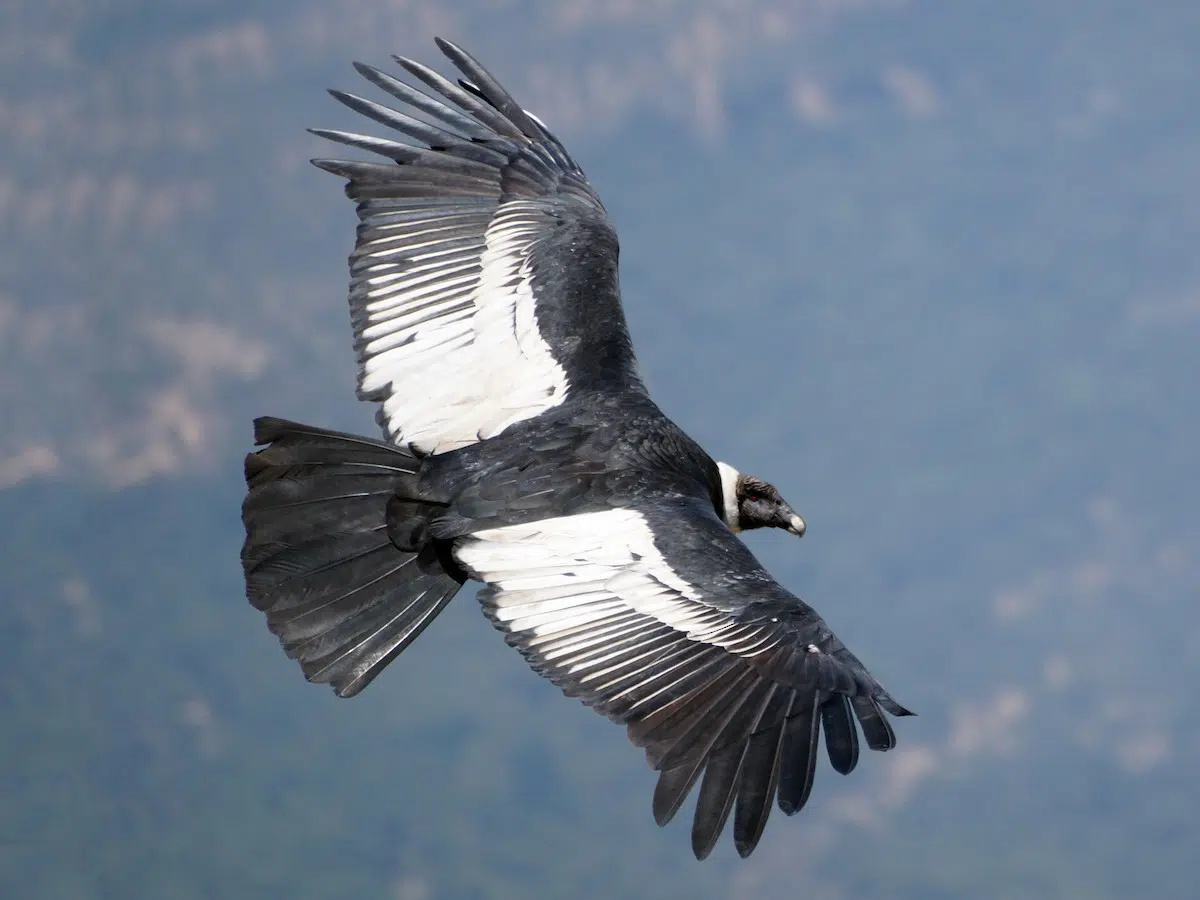 Andean condor
This new line of work is part of the actions of the Andean Condor Conservation Program, a regional initiative that coordinates efforts of state agencies, scientists, and civil society organizations.
Thanks to coordinated work, significant progress has been made in the rehabilitation and release of individuals in different provinces of the country.
The National Park, due to its diversity of environments and altitudes, provides a key habitat for the species and reinforces the national commitment to the protection of Argentine biodiversity.



