



In response to multiple reports of loose dogs and bites in Barrio Unión, in Bariloche, an operation on responsible ownership and health was carried out.
The Animal Health Department led the day, in coordination with the neighborhood association and the local school.
Responsible pet ownership: an inclusive community-focused plan
The intervention was organized following the insistent request of neighbors, concerned about the circulation of uncontrolled animals.
With the support of the neighborhood association and educational staff, a veterinary team and control agents went house by house, mapping a community pet map.
During the operation, more than 12 infringement notices were issued to guardians who were not complying with regulations, due to the excess of loose animals in public places.
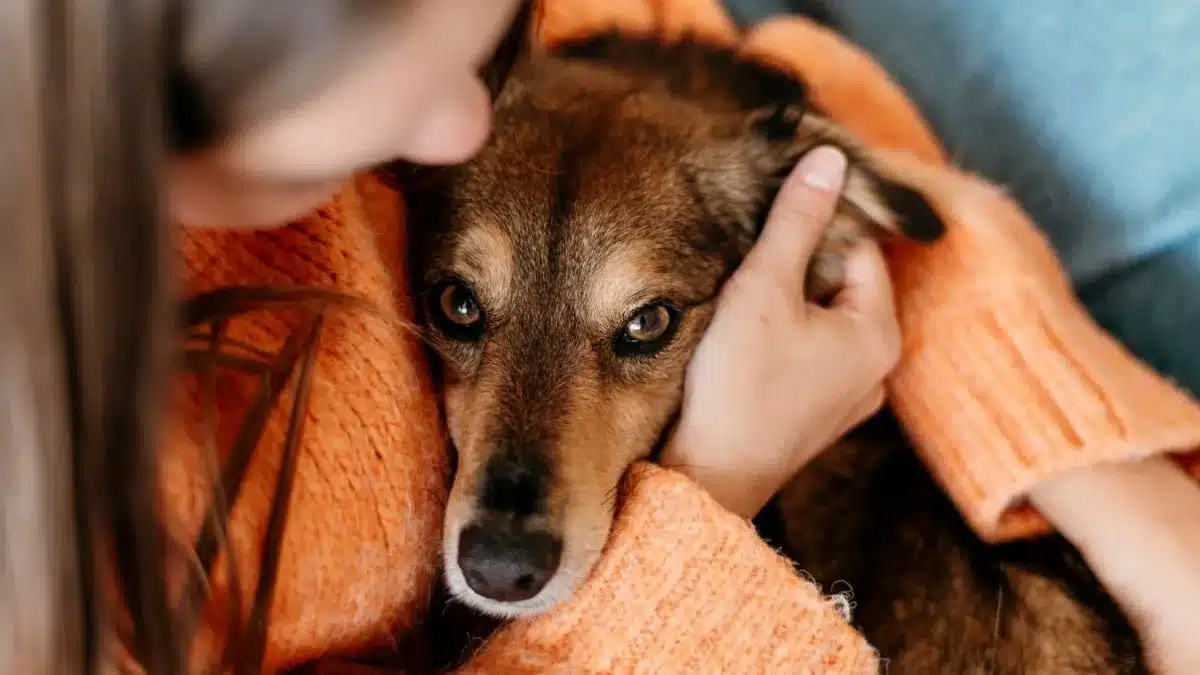 The importance of committing to responsible ownership.
Three unsupervised dogs were also rescued, two of which were returned to their owners with legal compliance obligations.
The importance of prevention in health
But Animal Health did not only impose sanctions. They promoted a plan of free vaccination and deworming, carried out a community registration at no cost.
Furthermore, they conducted a census of urban fauna to determine the number of dogs and cats in each household.
The operation included talks at the neighborhood school under the slogan “Sowing values, protecting lives,” with the aim of instilling the importance of responsible animal care from an early age.
Pablo Roque, head of the department, pointed out that the operation is part of an ongoing strategy. “We have a mobile operating room currently being renovated, with new heaters and decentralized service to facilitate access to free neutering in each delegation,” he stated.
The environmental relevance of these operations
It is important for authorities to stay informed about concerns or issues that may arise from pet owners’ irresponsibility. In addition to prevention tasks, something fundamental arises:
-
Ensuring control of loose dogs, reducing incidents of bites and health risks.
-
Strengthening the pet registry and compliance with responsible ownership regulations.
-
Promoting preventive public health and extending access to mobile veterinary services.
-
Raising local awareness and promoting a sustainable cultural change towards harmonious coexistence with urban animals.



