



In many metropolises around the world, stray dogs are seen as an urban management problem. However, in Tbilisi, the capital of Georgia, a unique model has been established: homeless animals are considered an essential part of the social landscape and are treated with respect.
During the 1990s, the situation was very different. Dogs roamed in packs, generating fear of possible attacks or disease transmission. The transition to a more humane approach radically changed the fate of thousands of animals.
The chip as a health certificate
Today, when walking through the avenues of Tbilisi, the first thing that stands out is the small brightly colored plastic device on the dogs’ ears. This chip indicates that the animal has been ethically captured, neutered, vaccinated against rabies, and returned to its original area under state supervision.
The success of the program lies in the collaboration between the Animal Monitoring Agency and the citizens. Just last year, a record number of more than 9,000 dogs were neutered, a key measure to control the population.
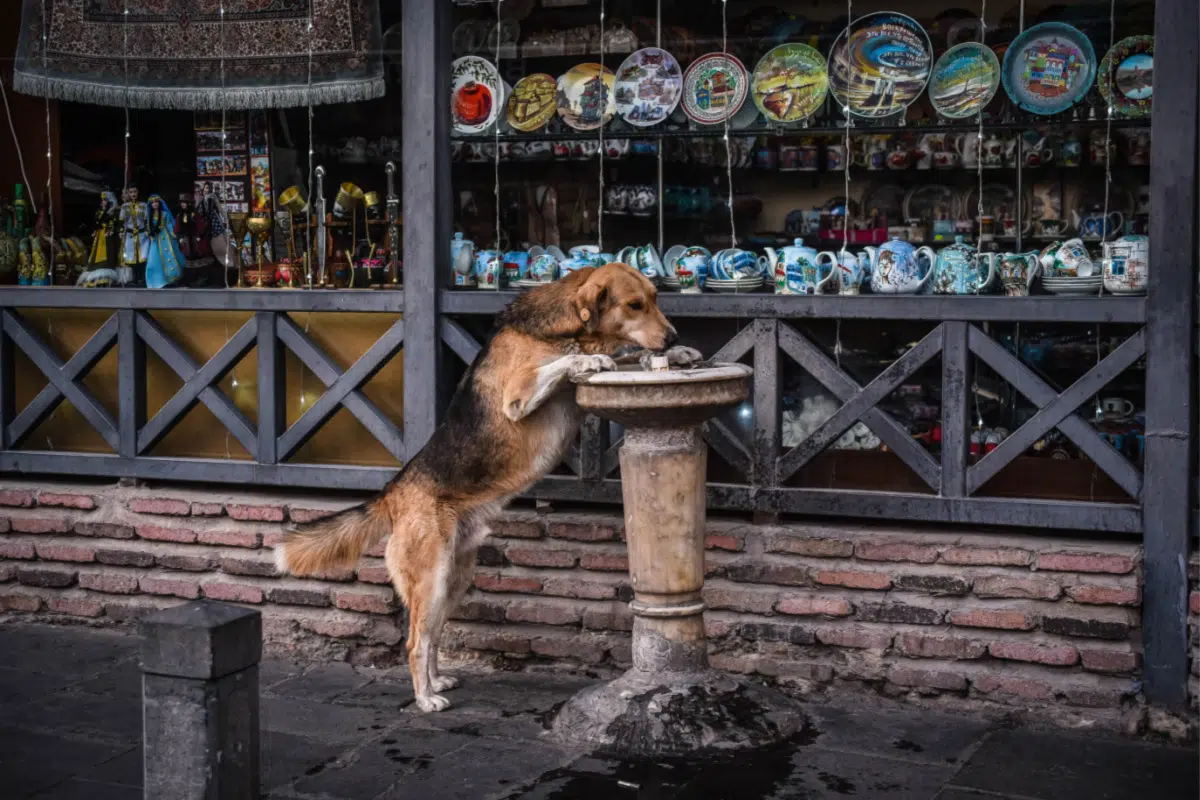
A pet-friendly city
Unlike other regions in Europe where animals end up in overcrowded shelters, in Georgia, dogs live freely. Merchants place containers with water and food at their business doors, and it’s not uncommon to see a dog resting inside a bank.
This approach has demonstrated that public safety and animal welfare are not mutually exclusive goals. By eliminating hunger and competition for territory, animals become more docile.
The experience has positioned Tbilisi as a reference for pet-friendly tourism in Europe, attracting visitors who are surprised by the calm with which dogs interact with the urban environment.
Reasons to care for stray dogs
Tbilisi’s model reflects the importance of attending to homeless animals for multiple reasons:
- Animal welfare and ethics: they are victims of abandonment and deserve attention as sentient beings.
- Public health and safety: neutering and vaccination reduce the risks of zoonosis and aggression.
- Reduction of overpopulation: spaying and neutering prevent more dogs from being born into street conditions.
- Social responsibility: caring for these animals fosters empathy and reflects a more humane society.
- Concrete actions: providing food, water, shelter, and veterinary care reduces their mortality and suffering.
The case of Tbilisi demonstrates that it is possible to transform abandonment into coexistence. With clear public policies and citizen participation, stray dogs have ceased to be a problem and have become a symbol of humanity and respect for life. This model offers a valuable lesson for other cities seeking to balance urban management, animal welfare, and social cohesion.


