



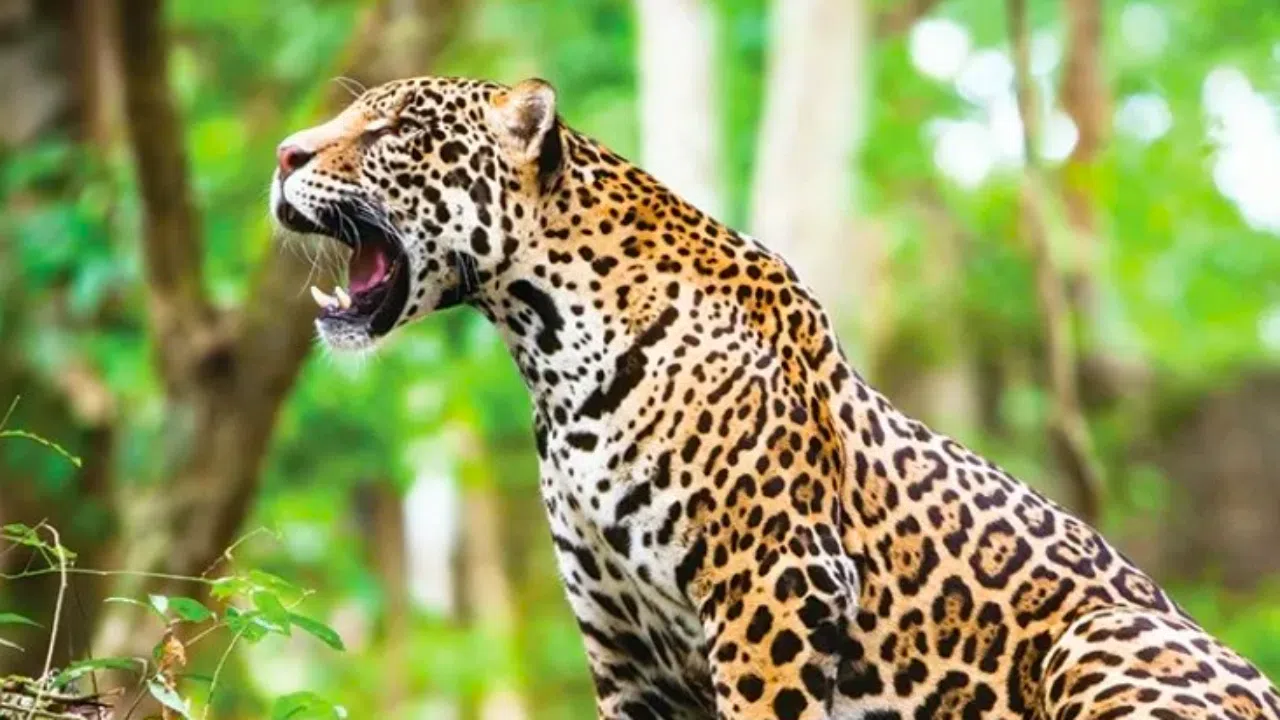
The population of jaguars in Mexico grew from 4,800 individuals in 2018 to 5,326 in 2024, according to the Third National Jaguar Census, coordinated by the National Alliance for Jaguar Conservation (ANCJ).
Although the data is encouraging, the species continues to be classified as “endangered”, demanding sustained and multisectoral actions to ensure its survival.
An unprecedented monitoring in Latin America
The study covered 414,000 hectares in 23 sites across 15 states, using cutting-edge technology and community participation.
The census was conducted in states such as Sonora, Jalisco, Chiapas, Quintana Roo, and Yucatán, becoming the widest mammal monitoring in Mexico and one of the most ambitious in the world. 920 camera traps were set up for 90 days, complemented with advanced mathematical and statistical models.
“This effort confirms that the jaguar, a biological and cultural symbol of Mexico, is resilient,” stated Dr. Heliot Zarza Villanueva, a researcher at UAM.
Science, territory, and collaboration
The census involved 49 specialists and articulated academia, local communities, government, and civil society.
“The unity for the preservation of such an important species has yielded incredible results,” highlighted Humberto Peña, coordinator of state strategies.
The team included experts such as Rebeca Calanoce, José González Maya, Daniela Medellín, and Humberto Adán Peña, under the coordination of Gerardo Ceballos, president of ANCJ.
Biological corridors and productive conservation
It is recommended to protect territories outside natural areas through practices compatible with biodiversity.
Jaguar conservation requires ecological connectivity, promoting the design of biological corridors integrating sustainable production, restoration, and community participation.
Jaguar: key species, umbrella, and bioindicator
The presence of the jaguar ensures ecological balance and ecosystem health.
- Top predator: regulates prey populations and protects vegetation
- Bioindicator: its existence reflects well-preserved ecosystems
- Umbrella species: its protection benefits hundreds of species
- Ecosystem services: its habitats provide water, capture carbon, and regulate floods
An ancestral and current symbol
This impressive feline represents power, fertility, and connection to the sacred in indigenous cultures.
- Pre-Hispanic cultures: Olmecs, Mayans, and Mexicas revered it as a guardian of the jungle and divine figure
- Current rituals: Indigenous peoples perform rain-making ceremonies in its honor
- Art and worldview: Its image is present in textiles, ceramics, and community narratives
Cover photo: EE



