



Every year, billions of fish are sacrificed for human consumption, but few consider the suffering they go through in their final moments. New research reveals that their death is neither immediate nor painless, and the pain they feel can last much longer than imagined.
The capture and sacrifice process, especially through traditional methods like air asphyxiation, causes intense agony. Species like rainbow trout can suffer between 10 and 25 minutes after being removed from the water.
During this time, fish go through physiological collapse: their gills stop working, the lack of oxygen generates a state of panic, and carbon dioxide levels increase drastically. All of this happens while the animal remains conscious.
This situation not only raises an animal welfare problem, but also an ethical dilemma for consumers, governments, and producers. Despite the measured pain, many current practices remain unchanged.
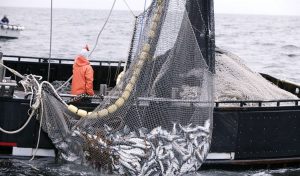
The Suffering That Can Be Avoided
The use of ice to kill fish is one of the most widespread techniques, but its effectiveness is questionable. Far from speeding up death, it causes a slow loss of consciousness, keeping the animal in a state of stress for a longer period.
Pre-crowding, prolonged transportation, and handling also generate accumulated suffering. These conditions, although invisible to the consumer, are an integral part of the current production system.
However, there are viable alternatives. Methods like electric or percussive stunning allow for a drastic reduction in pain if applied correctly. The key lies in staff training and the willingness to incorporate ethical standards.
These practices do not require major structural transformations and could be implemented gradually. Their impact, however, would be immediate and on a large scale, especially if applied in the stages prior to slaughter.
Rethinking Consumption with Awareness
The implementation of new metrics, such as the Welfare Footprint, allows us to quantify animal suffering in concrete terms. This framework offers a technical and ethical language to address the issue without reducing it to simple production figures.
By understanding that the pain of fish out of the water is real and measurable, opportunities arise to design more humane policies. Certifications, laws, and purchasing decisions can align with practices that prioritize animal welfare.
Beyond a single species, this evidence changes the landscape for the entire fishing industry. From tilapia to salmon, they all share similar mechanisms of suffering. Mitigating it is not only possible, but urgent.
Adopting more compassionate methods is also part of a broader ecological transformation. In a context of climate change and biodiversity loss, reducing animal suffering is an essential step towards a fairer and more conscious food system.
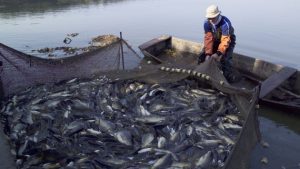
Fish Out of Water: Animal Mistreatment Beyond Physical Pain
Beyond the direct pain of being caught, fish suffer various forms of mistreatment throughout the fishing and farming process. In fish farms, millions of fish live crowded in confined spaces, without the possibility of swimming freely or expressing natural behaviors, leading to high levels of stress, diseases, and injuries.
During transport, they are often subjected to long journeys in inadequate conditions, with low oxygen levels and extreme temperatures. Many times they die before reaching slaughter, and those who survive do so in critical condition. This is compounded by destructive practices such as trawling nets, which not only catch target fish but also other marine species that die trapped without attention.
Pre-slaughter handling also implies suffering: blows, crushes, and exposure to air worsen stress and pain. These practices, although less visible, are a systematic form of violence against aquatic animals that urgently needs to be recognized and rethought.


