



In Colombia, having wild animals as pets is no longer an acceptable custom, but a practice sanctioned by law. Law 1801, in force since 2016, prohibits the possession of parrots, macaws, turtles, and other species without legal permission, in an attempt to curb wildlife trafficking and protect biodiversity.
Environmental authorities, together with the National Police, have intensified controls to detect and penalize this behavior. People who keep wild animals in their homes may face fines of up to $400,000, in addition to the immediate confiscation of the specimens.
Operations are particularly frequent in biodiversity-rich regions such as Chocó, Amazonas, and Meta, where the belief that these species can coexist in captivity still pervades. However, wild animals require freedom, space, and conditions that only their natural habitats can provide.
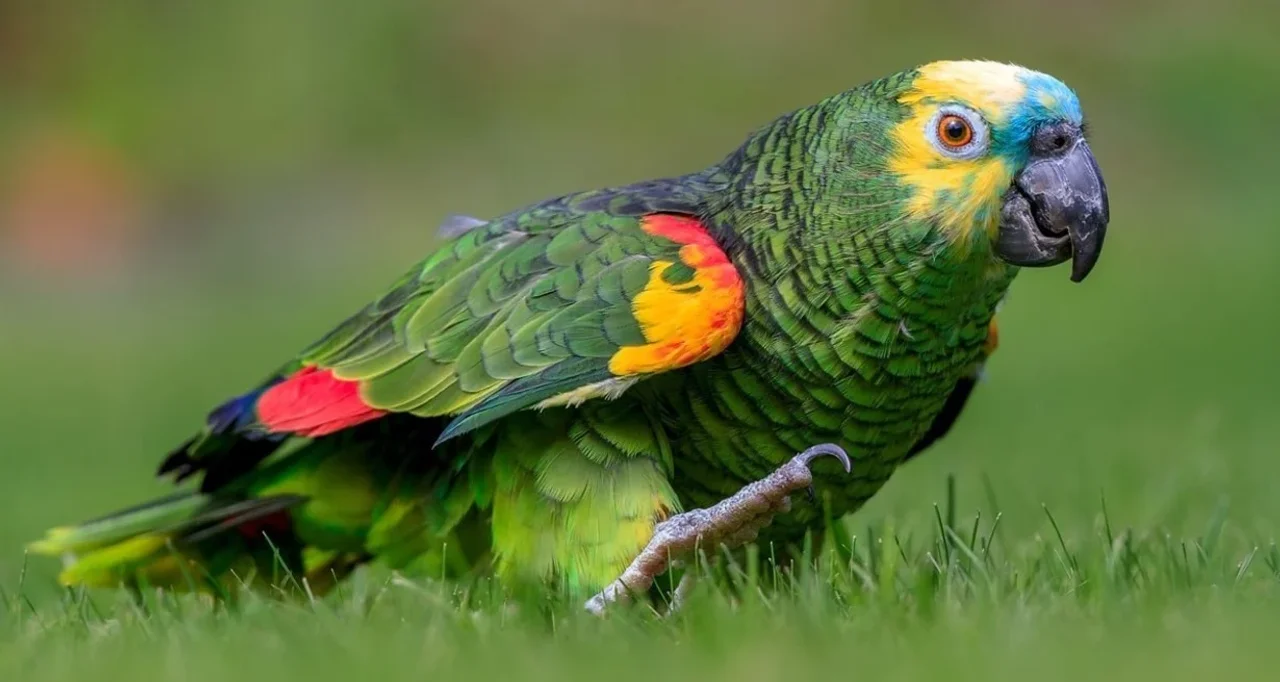 Alert for wildlife trafficking in Colombia: rescued parrot that was in captivity for 32 years.
Biodiversity at Risk and Community Responses
Wildlife trafficking represents a direct threat to Colombia’s rich ecological diversity. Behind each captive animal, there is a chain of illegal extraction that involves suffering and disrupts ecosystems’ balance. Thousands of specimens are confiscated each year, many with wounds or irreversible alterations that hinder their reintegration.
Faced with this situation, awareness programs such as “Plan Pistilo” were developed, promoting the voluntary surrender of species. Thanks to these campaigns, animals have been rescued and rehabilitated and are now in specialized centers, with the hope of returning to their natural environment one day.
Educational activities are also carried out in schools and rural communities, aiming to inform the population about the importance of keeping wild animals where they belong: in nature. These joint actions reinforce the message that conserving natural heritage is a shared responsibility.
What to Do if You Have One at Home
If a person has a wild animal in their home without authorization, they can voluntarily surrender it to environmental authorities. This gesture, besides avoiding fines, allows the specimen to receive proper attention. Green lines and digital channels provide ways to report illegal possession or clandestine trade.
Protecting wildlife depends not only on strict laws but also on an informed and committed citizenry. Caring for species means caring for ecosystems that sustain life on the planet.
 Rescued birds. (Photo: El Colombiano).
They Are Not Pets
Many people choose to have wild animals as pets for cultural, aesthetic, or emotional reasons. Some believe they are exotic, beautiful, or can provide companionship similar to domestic animals. Sometimes, misinformation leads to the belief that keeping a parrot, a turtle, or a monkey at home is not a problem.
However, these decisions have serious consequences for both animals and ecosystems. When removed from their habitat, wild animals suffer stress, physical trauma, and health problems. Many cannot adapt to captivity, and their well-being is compromised by lack of space, proper food, or natural stimulation.
Additionally, wildlife trafficking fuels illegal networks that destroy entire populations and disrupt the ecological balance. This practice, although seemingly harmless at an individual level, poses a collective threat to biodiversity and can facilitate the spread of zoonotic diseases, endangering public health.



