



The solar panels and Chinese solar energy transformed the energy landscape of South Africa in just five years.
Asian technology reached 10% of the country’s electrical capacity, challenging the model of traditional companies and offering an alternative to a system plagued by frequent blackouts.
For decades, electricity in much of Africa was fragile. Clinics closed due to power outages, factories stopped, and businesses operating at half capacity defined the continent’s energy reality.
The drastic drop in the price of Chinese solar panels and batteries turned solar energy into a commonplace and accessible tool in South Africa.
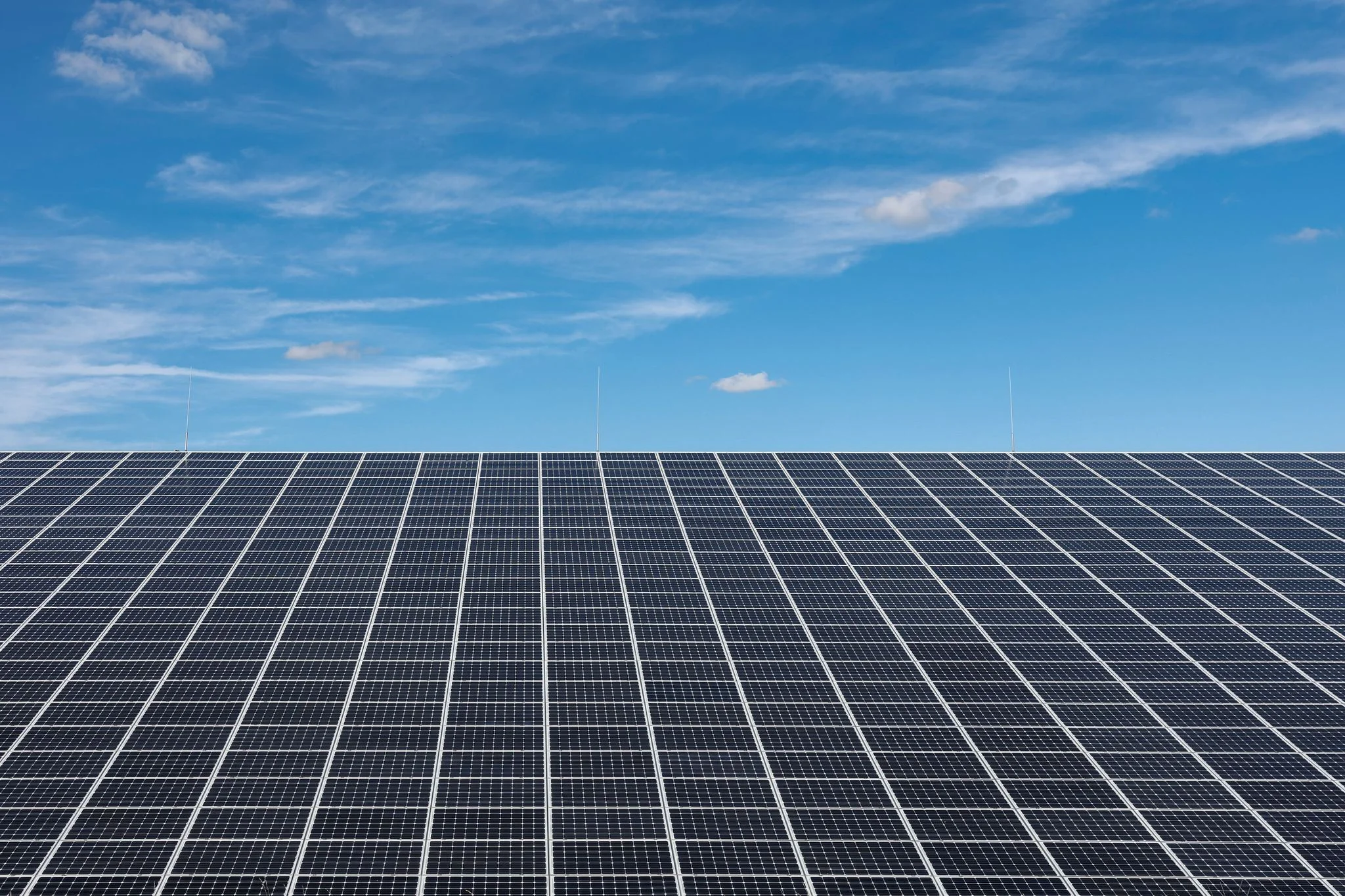
Chinese solar energy in South Africa, from small panels to complete energy systems
The change was not limited to small domestic installations. In South Africa, hybrid solar energy systems capable of powering wine cellars, shopping centers, mines, and entire factories emerged.
The combination of Chinese solar panels, inverters, and batteries created private microgrids within each business.
For example, a dentist in Cape Town stopped relying on the diesel generator and switched to operating with solar electricity plus batteries.
Thus, reliability was gained, something almost as valuable as economic savings. Without X-rays or dental equipment functioning, no service is possible.
This technological leap explains why solar energy went from almost nothing in 2019 to around 10% of South Africa’s electrical capacity.
It was not a transition driven by public policies, but a direct response to a failed electrical system.

China as a power in energy equipment
Throughout the African continent, China’s role was central to this transformation. In the last decade, it built a gigantic industrial capacity in panels, batteries, and electric vehicles.
The result was a flood of cheap equipment seeking market. In Europe and the United States, tariffs and trade barriers slowed that entry.
In Africa, where more than 600 million people still lack reliable access to electricity, the space is enormous.
Countries like Sierra Leone or Chad imported in a single year solar equipment equivalent to a very significant part of their national electrical capacity.
Chinese state companies not only sold equipment. They also built and operated large solar plants and transmission lines in South African territory.
Projects to expand thousands of kilometers of electrical grid reflected a reality: the energy transition needs capital, and today that capital is largely provided by Beijing.
The challenge of Eskom and the energy inequality generated by solar energy in South Africa
For the South African electric company Eskom, the explosion of private solar energy is paradoxical. Each roof covered with panels represents less income from electricity sold.
But it also means less pressure on old and broken coal plants. The company had to adapt: allow energy to be sold to the grid, eliminate bureaucratic hurdles, and charge for being connected.
Eskom plans to convert former coal plant sites into solar parks, a pragmatic way to reuse infrastructure.

However, a significant social gap appears. Although Chinese solar panels are cheaper than ever, they remain inaccessible to millions of people without savings or credit.
In neighborhoods like Langa, a single donated panel barely covers lights and computers. This creates an unequal energy transition: companies, hotels, and middle classes reduce costs and gain stability.
Thus, the poorest in South Africa remain tied to an expensive and unreliable grid, unlike the solar energy accessed by those with more resources.
The environmental impact: benefits and future risks
The replacement of coal by distributed solar energy directly reduces emissions of carbon dioxide, nitrogen oxides, and fine particles.
Therefore, in a country like South Africa, where much of the electricity comes from thermal power plants, every solar megawatt means cleaner air.
By reducing the use of diesel generators during blackouts, it also lowers noise pollution and fuel spills.
In dense urban areas, this translates into better public health: less asthma and respiratory problems.
The real environmental risk lies in the future management of panels and batteries. Without recycling plans and a circular economy, today’s solar wave could become tomorrow’s electronic waste.



