



La empresa Aluar anunció el inicio de la construcción del Parque Solar Fotovoltaico Aluar Abasto en La Plata. El emprendimiento será único en la ciudad y contará con:
- 44,550 photovoltaic panels.
- 24 MW of installed power.
- 55 hectares of surface.
- An estimated annual generation of 55,200 MWh, equivalent to the consumption of more than 20,000 homes.
The project, which is expected to be completed in December 2026, represents a multimillion-dollar investment in renewable energies and has been authorized to enter the Wholesale Electricity Market (MEM) as a generating agent.
Connection to the national electrical system
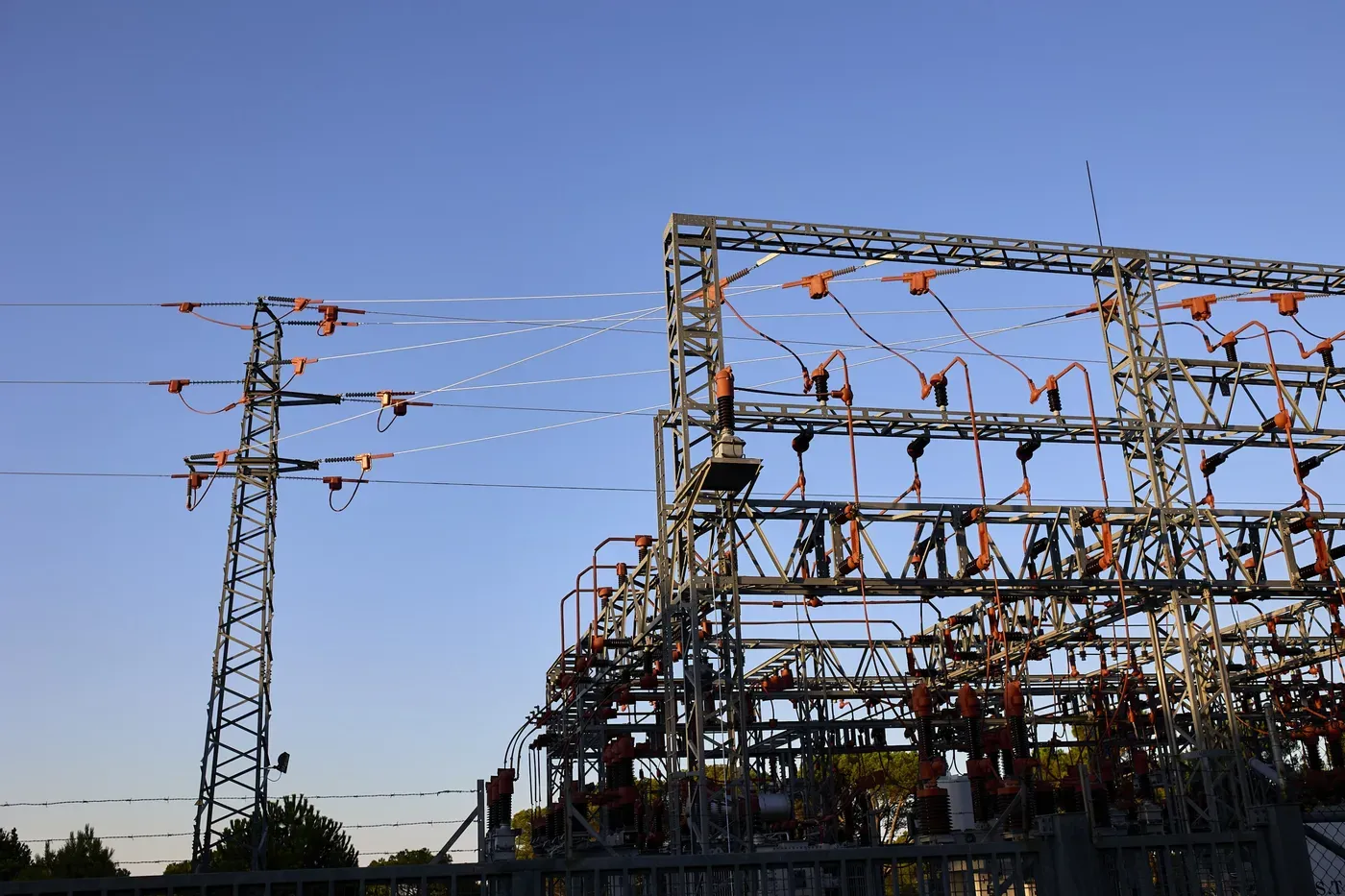
The National Energy Secretariat authorized the park’s entry into the MEM and established that it will be connected to the Argentine Interconnection System (SADI) through the 33 kV bars of the Kaiser Transformer Substation, under the jurisdiction of EDELAP.
Prior to authorization, the project processed access to transport capacity before the ENRE and went through an environmental public participation stage in the province of Buenos Aires, between February and March 2025.
The Environmental Impact Study received official approval, allowing construction to proceed.
Other Aluar projects
The Abasto solar park is part of the company’s energy diversification strategy:
- Aluar Puerto Madryn Solar Park (Chubut): a 50 MW project presented in 2023, which reached the public hearing stage.
- Puerto Madryn Wind Farm: ongoing expansion to reach 582 MW by the end of 2026, with an additional 336 MW directly linked to the company’s aluminum plant.
- BESS San Fernando Energy Storage Plant: a 30 MW battery system awarded under the AlmaGBA tender.
Strategic importance of solar energy in Argentina
Solar energy is key to diversifying the energy matrix and reducing dependence on fossil fuels. Its benefits include:
- Geographical advantage: regions like the Puna receive solar radiation levels above 3.5 kWh/m², optimizing the performance of photovoltaic parks.
- Energy independence: reduces dependence on imports and mitigates the impact of tariff increases.
- Economic savings: the payback times for investment in solar systems have shortened, making it a profitable option for homes and industries.
- Distributed generation: allows individuals and companies to produce their own electricity and inject surpluses into the grid.
- Regional development and employment: boosts local economies and generates specialized jobs in rural and urban areas.
The Aluar Abasto Solar Park in La Plata will be a milestone in the Argentine energy transition, providing clean energy for more than 20,000 homes and consolidating Aluar’s commitment to renewables.
Its construction reinforces the role of solar energy as a driver of energy independence, economic savings, and regional development.



