



During 2024, the world added 582 GW of renewable capacity, marking an unprecedented record. However, according to the new report presented by the International Renewable Energy Agency (IRENA), the Brazilian Presidency of COP30, and the Global Renewables Alliance (GRA), this progress is insufficient to achieve the goal of tripling renewables to 11.2 TW by 2030, agreed upon at COP28.
To achieve this, it will be necessary to add 1122 GW per year from 2025, which implies accelerating annual growth to 16.6%.
Energy efficiency and financing: the other major challenges
Global energy intensity grew by only 1% in 2024, far from the 4% needed to limit warming to 1.5°C.
The report calls for urgent action on three fronts:
- Integrating renewable targets into national climate plans (NDC 3.0) before COP30
- Doubling collective NDC ambition to align with global goals
- Scaling investments to $1.4 trillion annually between 2025 and 2030, more than double the amount invested in 2024
Global voices: urgency, opportunity, and leadership
From the UN, IRENA, and the private sector, there is an insistence on accelerating a fair energy transition.
“The rise of clean energy is unstoppable, but the window to keep the 1.5°C limit is closing,” warned António Guterres, UN Secretary-General.
“Renewables are the most cost-effective solution and the greatest economic opportunity of our time,” stated Francesco La Camera, IRENA Director.
“75% of the investment comes from the private sector, but we need long-term government plans,” emphasized Ben Backwell, GRA President.
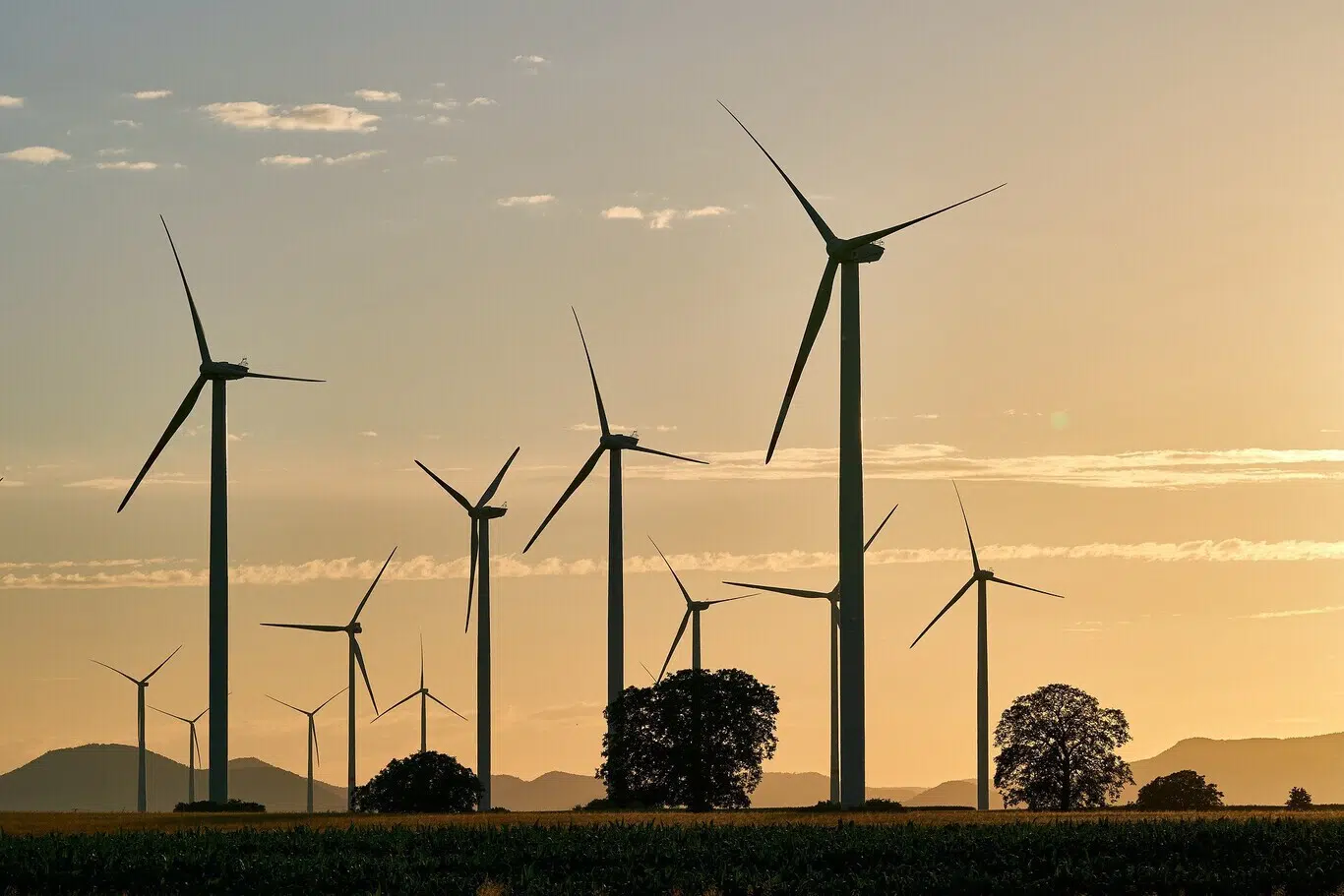 Despite the record progress of renewable energies, the established goals have not yet been achieved.
The role of major economies: G20 and G7 in focus
The G20 is expected to account for over 80% of global renewable capacity in 2030.
The report urges G7 countries to increase their share to 20% of global capacity this decade.
It also emphasizes the need to meet the minimum climate financing of $300 billion annually, and progress towards the aspirational goal of $1.3 trillion, set at COP29.
Beyond generation: networks, manufacturing, and supply chains
$670 billion annually will be required to modernize electrical grids and ensure energy stability.
The energy transition is not limited to installing solar panels or wind turbines. It is crucial to invest in:
- Modern electrical grids
- Manufacturing of clean technologies
- Robust supply chains
Environmental, social, and economic benefits of renewables
Clean energies combat climate change, improve public health, and promote sustainable development. Some of their most notable benefits include:
- Mitigating global warming by not emitting greenhouse gases
- Improving air quality, reducing respiratory diseases
- Strengthening energy security by reducing dependence on fossil fuels
- Boosting employment and technological innovation
- Providing universal access to isolated communities



