



Solar energy will reach a record in 2025. The installations of solar panels and photovoltaic devices continue to rise unstoppably, consolidating it as the fastest-growing source of electricity worldwide.
A recent report by the energy consultancy Ember reveals that global installations increased by 64% in the first half of 2025, adding 380 GW of new capacity.
This figure surpasses the achievements of the entire previous year in just six months, marking a historic milestone. Which country leads the ranking in this transition.
## China, the leader in the solar energy boom
China remains at the forefront of this energy revolution, installing more than double the solar capacity than the rest of the world combined during the first half of 2025. With 256 GW added, the Asian giant represents 67% of the global total.
This rapid growth was partly driven by anticipation of new regulations in Beijing.
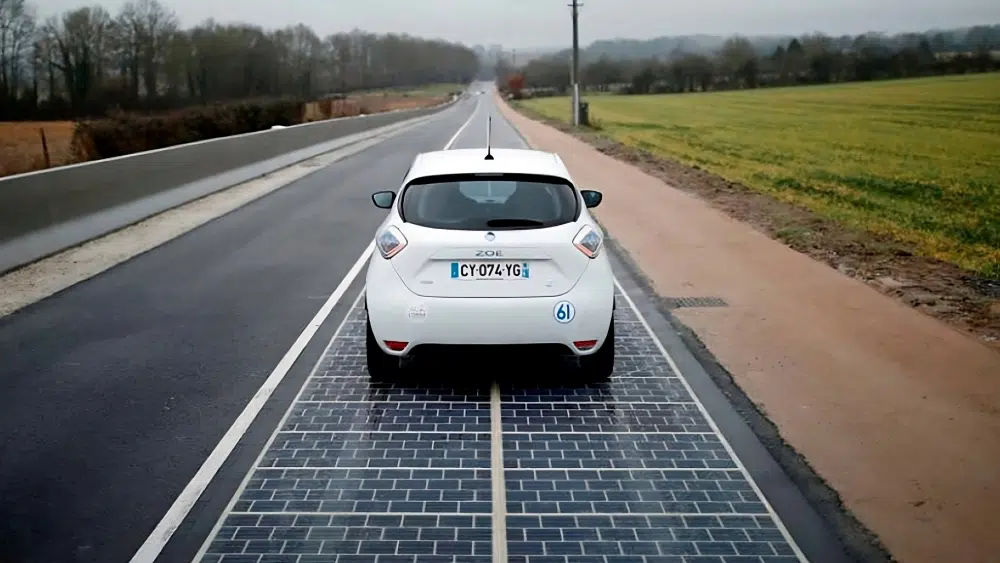
Although a possible slowdown is expected in the second half of the year, it is predicted that the Asian country will end the year surpassing its own record of annual installations.
After China, the United States and India are the nations that contributed the most to the growth of solar energy, while other countries such as Germany and Brazil experienced declines.
## Solar energy consolidates as a pillar of energy security
The rise of solar energy is not just a trend but a response to the increasing energy demand and the volatility of the fossil fuel market.
An analyst from Ember, Nicolas Fulghum, pointed out that solar energy offers a national production solution that can be implemented at a record speed. This is key to disentangling from fossil fuel supply chains.
The report also highlights the growing interest in Africa, where imports of solar panels from China increased by 60% in the last year. Although the lack of official data makes it difficult to determine the actual implementation rate, the trend is clear.
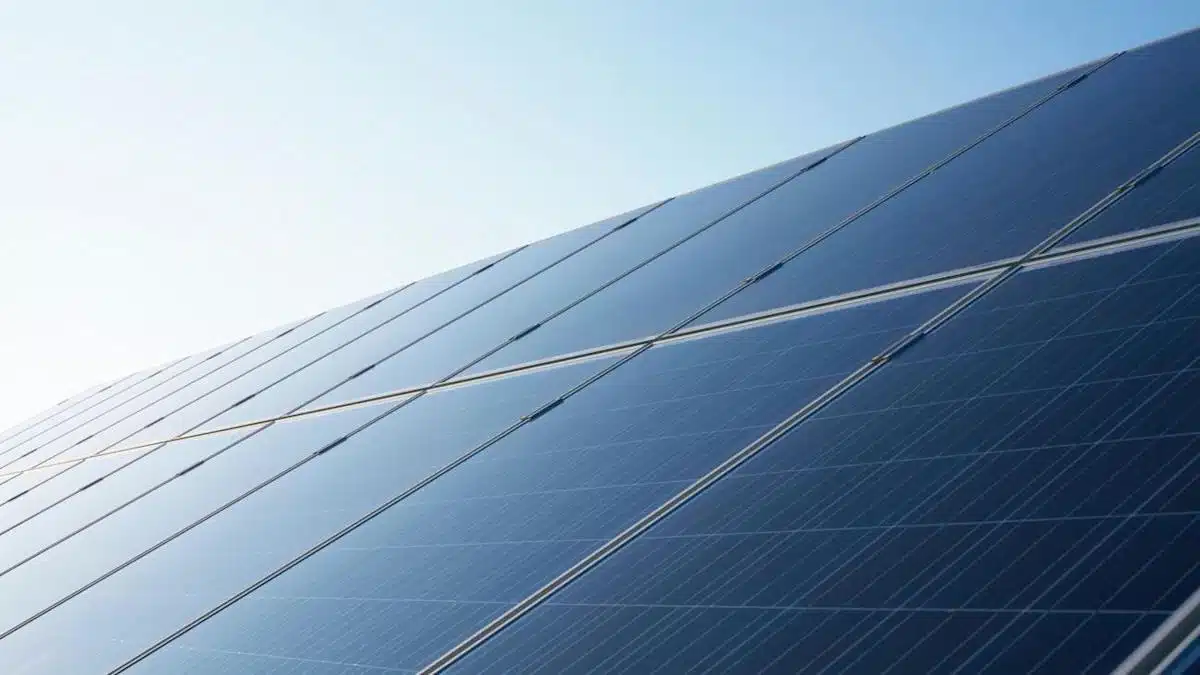
In this sense, international organizations such as the International Energy Agency acknowledged that solar energy will be the main source of electrical expansion in the coming decades.
## The advantages of solar energy
The advantages of solar energy are numerous and encompass environmental, economic, and social aspects. Among the environmental benefits, the following stand out:
– **Emission reduction:** it is a clean source that does not produce greenhouse gases or atmospheric pollutants during its operation.
– **Inexhaustible resource:** unlike fossil fuels, the sun is an inexhaustible source of energy.
– **Low ecological impact:** solar installations have a low environmental impact compared to other sources; they do not require large amounts of water for operation, and the land they occupy can be shared with other activities such as agriculture.
Among the economic and social advantages are:
– **Savings on the electricity bill:** for households and companies, installing solar panels can significantly reduce electricity costs in the long term.
– **Job creation:** from panel manufacturing to installation and maintenance, it creates millions of jobs worldwide, driving economic growth.
– **Energy independence:** it allows reducing dependence on imported fossil fuels, improving energy security, and reducing vulnerability to global market prices.
– **Access to electricity:** it can bring electricity to remote or rural communities that are not connected to the main power grid, improving their quality of life, education, and health.


