



Spain, a world leader in olive cultivation, is discovering a new value in one of its most abundant waste products: olive stones.
Traditionally discarded, today they are projected as a renewable energy source, thanks to their transformation into biochar, a highly porous material with added value and multiple sustainable applications.
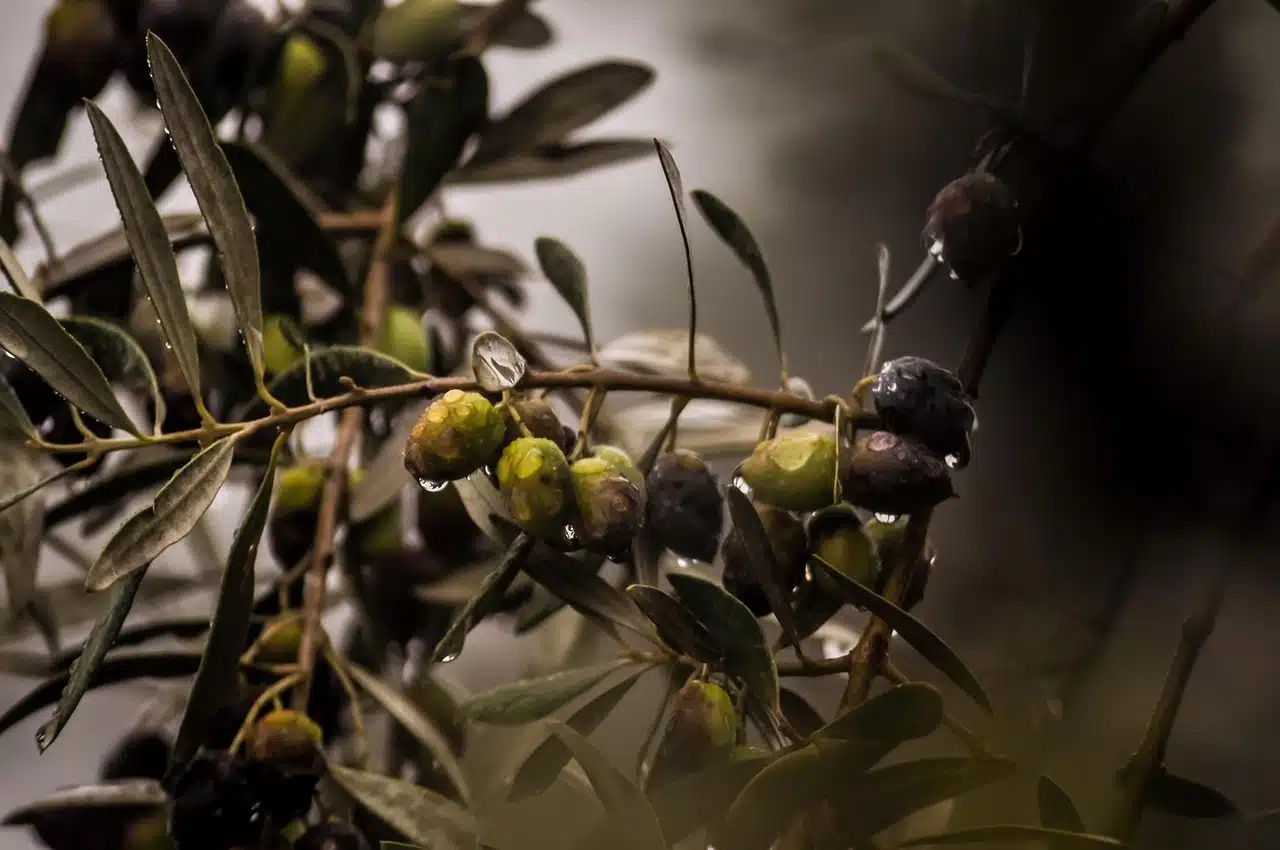
With over 2.75 million hectares of olive groves —mainly in Andalusia and Extremadura— the country generates tons of waste that can be recycled to improve agricultural soils, purify water, and generate methane from carbon dioxide, among other solutions.
What is biochar and how is it produced
Biochar is obtained through pyrolysis, a process that decomposes biomass in the absence of oxygen at high temperatures. This treatment converts olive stones into a highly porous material that is enhanced through:
- Chemical activation, which improves its efficiency as a catalyst support
- Circular applications, from energy to environmental remediation technologies
“Olive stones are similar to nutshells in their ability to become useful materials. Their natural porosity makes them ideal for advanced catalytic processes,” specialized researchers point out.
An expanding market
According to industry projections, the global market for activated biocarbons will grow at a compound annual rate of 3.5% between 2023 and 2030, reaching an estimated value of US$ 3,500 million by the end of the period. This growth responds to the demand for solutions to:
- Improve soil fertility
- Filter contaminants in water
- Mitigate greenhouse gas emissions
Additionally, the incorporation of these waste products into the production cycle generates additional income for farmers and reduces dependence on fossil resources.
From a Mediterranean symbol to a climate change agent
Olive groves, beyond their cultural identity, are becoming a driver of ecological innovation. The efficient use of their by-products allows for:
- Reducing environmental risk
- Developing alternative fuels
- Promoting sustainable rural models
In a context of global energy transition, these advances place Spain —and especially its olive-growing areas— at the center of an emerging bioeconomy that transforms agricultural waste into concrete solutions against climate change.



