



As every June 15th, this Sunday the World Wind Day was celebrated, a date aimed at highlighting the potential of wind energy as a key tool to address climate change. The initiative, which started in Europe in 2007, became an international event from 2009.
This day served as a starting point to reflect on the urgent need to change current energy models. In a context of global warming and depletion of fossil resources, wind offered a clean, renewable, and abundant alternative.
Wind energy did not generate emissions of polluting gases during its operation. Unlike conventional sources, it helped reduce the carbon footprint and improve air quality in many regions of the world.
In addition to its ecological advantages, the development of this industry promoted job creation, technological innovation, and reduction of dependence on imported fuels.
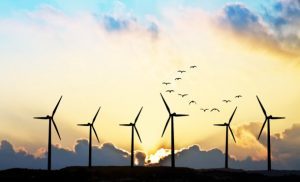
More than energy: environmental and climate impact
Wind played a fundamental role in the dynamics of the Earth’s atmosphere. Its ability to transport heat and moisture helped distribute temperatures more evenly across different regions of the planet.
Analyzing its speed and direction allowed anticipating atmospheric phenomena, from gentle breezes to severe storms. Without wind, climatic systems would have been more extreme and unpredictable.
Wind as an energy driver
Wind energy represented one of the most efficient options to reduce global emissions. Its decreasing cost made it increasingly competitive against other sources, and its adoption grew steadily worldwide.
According to the International Energy Agency, by 2030 it was projected to cover up to 9% of global electricity demand. In Europe, it was estimated that this number could exceed 24%, consolidating its role in the energy matrix.
Beyond the numbers, World Wind Day focused on raising awareness. It served to remind that each installed turbine was a step towards a cleaner, more resilient planet, prepared for the future.
Celebrating the wind to protect the planet
World Wind Day was not only about commemorating a natural resource. It was an opportunity to drive changes in public policies, business decisions, and citizen habits.
By recognizing the environmental, social, and economic value of wind, the idea that energy transition was possible was reinforced. This day called for rethinking the link between humanity and nature, using the wind as a symbol of renewal.
Building a sustainable future meant intelligently leveraging what the Earth abundantly offered. The wind, invisible but powerful, was one of those keys.
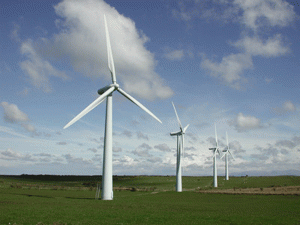
Conservation measures in Argentina
Argentina developed an active wind policy, especially in the Patagonian region. In recent years, numerous wind farms were built to take advantage of the constant winds in the southern part of the country.
The national government implemented incentives to promote private investments in clean energies, while several provinces promoted their own plans to reduce the use of fossil fuels.
In addition, educational campaigns were promoted and scientific research was strengthened on wind behavior and its utilization. These actions positioned the country as a regional benchmark in wind energy.
Wind as a natural ally of ecosystems
Wind played an essential role in the balance and dynamics of ecosystems. Acting as a dispersal agent, it facilitated vital processes such as pollination and seed dispersal, allowing the reproduction of many plant species and the maintenance of biodiversity.
It also helped ventilate environments, dispersing pollutants and contributing to air renewal. This effect was particularly important in urban areas or with high levels of particles, benefiting the health of ecosystems and the species that inhabit them.
Moreover, wind influenced the formation of the natural landscape, shaping dunes, eroding soils, and transporting materials over long distances. These physical processes, albeit slow, were fundamental for the evolution of habitats like deserts, coasts, and mountains.



