



In the midst of the energy transition, Germany had embarked on a plan for the use of green hydrogen. However, in recent months, it halted all its plans.
This dates back to the search for decarbonizing transportation, where it initially turned to hydrogen as an optimal solution.
Germany had even particularly bet on hydrogen trains, but some issues made the European country rethink its roadmap. What happened.
Green hydrogen: What thwarted Germany’s plans
Germany had to halt its plans with these trains due to lack of fuel.
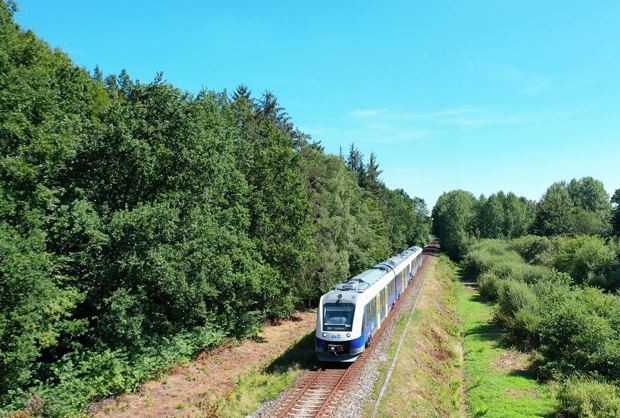 The hydrogen train.[/caption>
An incident at a German chemical park in 2022 significantly affected the availability of hydrogen in the area, highlighting the vulnerability of these supply chains.
While these trains represent a significant step towards reducing carbon dioxide emissions, the lack of hydrogen supply has forced a temporary shift to battery-electric and diesel trains as alternatives.
The delay in opening a hydrogen refueling station in Basdorf, which was supposed to receive hydrogen supply generated locally by the company Enertrag, also caused significant complications.
Future plans
“Due to resulting scarcity in the market and the long distances to other sources, refueling is only possible to a limited extent, or cannot be carried out due to logistical and technical reasons,” explained the operator of H2 Mobility hydrogen refueling stations in a statement.
To overcome the challenges, they now consider it vital to strengthen green hydrogen supply chains and expand generation and storage infrastructures.
In addition, it is crucial to diversify technological solutions according to the specific needs of each area and sector, mixing the use of hydrogen trains, battery-electric trains, and other technologies.
Have you visited our YouTube channel yet? Subscribe now!



