



The wealthiest **business families in Latin America** have invested **US$1.4 billion in impact investments until 2025**, and plan to allocate another **US$725 million during the next year**, according to the report *Impact Portfolios of Latin American Families*, prepared by the **Saïd Business School at the University of Oxford** in collaboration with the network **The ImPact**.
## A more mature and committed ecosystem
85% of the surveyed families are already deploying capital in [projects with social and environmental purpose](https://noticiasambientales.com/medio-ambiente/caf-aprueba-mas-de-usd-1-400-millones-para-proyectos-en-colombia-que-impulsan-sostenibilidad-y-bienestar/).
Out of the **70 participating families**, **85% are actively investing** in sectors such as:
– **Education** (41%)
– **Biodiversity and conservation** (30%)
– **Clean energies** (28%)
– **Sustainable agriculture** (27%)
Additionally, **76% plan to maintain or expand their investments**, while **9% have decided to reduce them**, reflecting a **more experienced ecosystem**, where some families move forward with conviction and others adjust their strategies.
## Structural challenges and opportunities for improvement
**The lack of high-quality agreements, technical expertise, and rigorous metrics limits the sector’s growth**.
The study points out that, beyond the desire to invest with purpose, **key obstacles** persist:
– Difficulty in measuring social and environmental impact
– Lack of experience in investment teams
– Limited access to high-quality agreements
To effectively mobilize more capital, the authors propose **strengthening local capacities**, consolidating **support networks**, and improving **specialized professional advisory services in impact**.
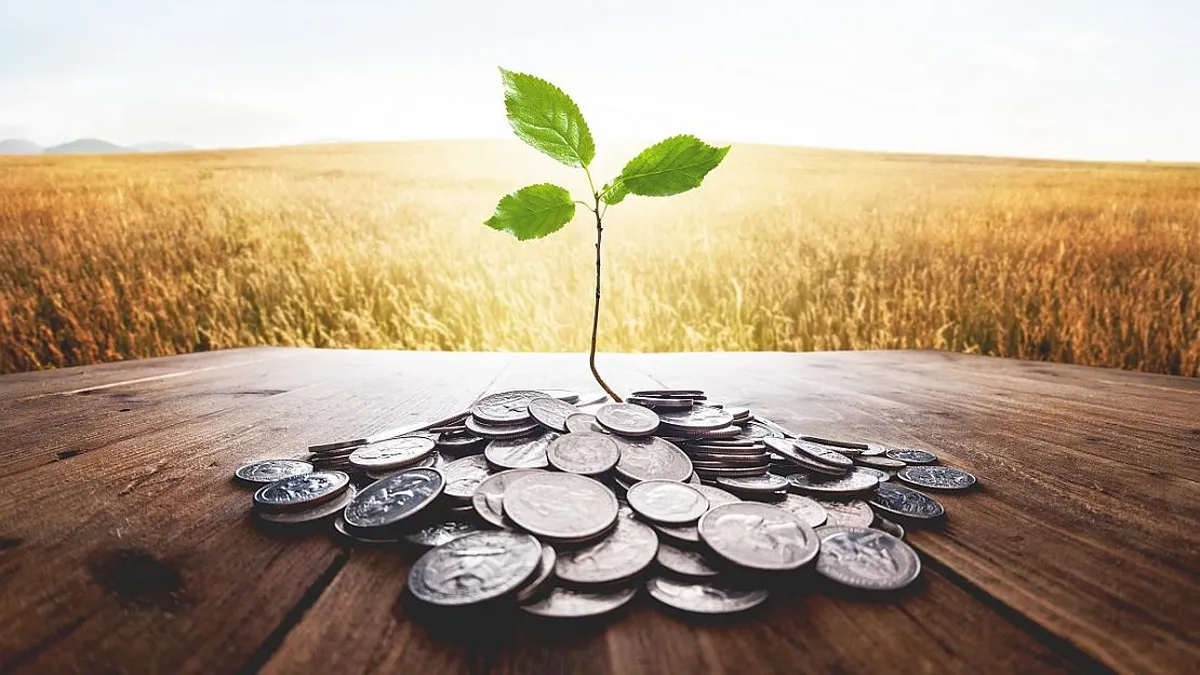 Family businesses are betting on environmental impact investments in Latin America[/caption>
## Direct participation and strategic focus
**Less than 4% completely delegate investment decisions to third parties**.
Business families not only invest but also **actively participate in decision-making**.
Those with **over 10 years of experience** allocate **more than 20% of their assets** to impact strategies, while new participants typically invest **less than 5%**.
For those who do not adopt this model, **traditional philanthropy** remains the most common path.
## Regional commitment and shared values
90% of the investments remain in Latin America, focusing on **underserved communities**.
Investments have a **strong geographic focus**, with **90% concentrated in the region**. **82% seek to strengthen their commitment** to local communities, and **37% prioritize supporting [historically excluded populations](https://noticiasambientales.com/medio-ambiente/la-importancia-de-los-territorios-indigenas-en-la-amazonia-como-aliados-para-la-salud-publica-y-la-conservacion-ambiental/)**.
Additionally, **25% are willing to take on more risk or accept lower returns** if it generates a positive impact.
## Strategic philanthropy and business legacy
**Impact investments allow aligning heritage, purpose, and social transformation**.
This model represents an **evolution of traditional philanthropy**, where capital is not only donated but also **invested with transformative intention**, aligning **family values, business vision, and regional commitment**.



