



The progress towards a more sustainable and healthier future in the Metropolitan Area of Buenos Aires (AMBA) took a crucial step: the Riachuelo System was put into operation.
This is the mega sanitation infrastructure project promoted by Aguas y Saneamientos Argentinos (AySA), which began 10 years ago.
This initiative represents the most important milestone in terms of environmental sanitation in Argentina in the last seven decades.
Riachuelo System: what it consists of and the benefits it brings to the basin
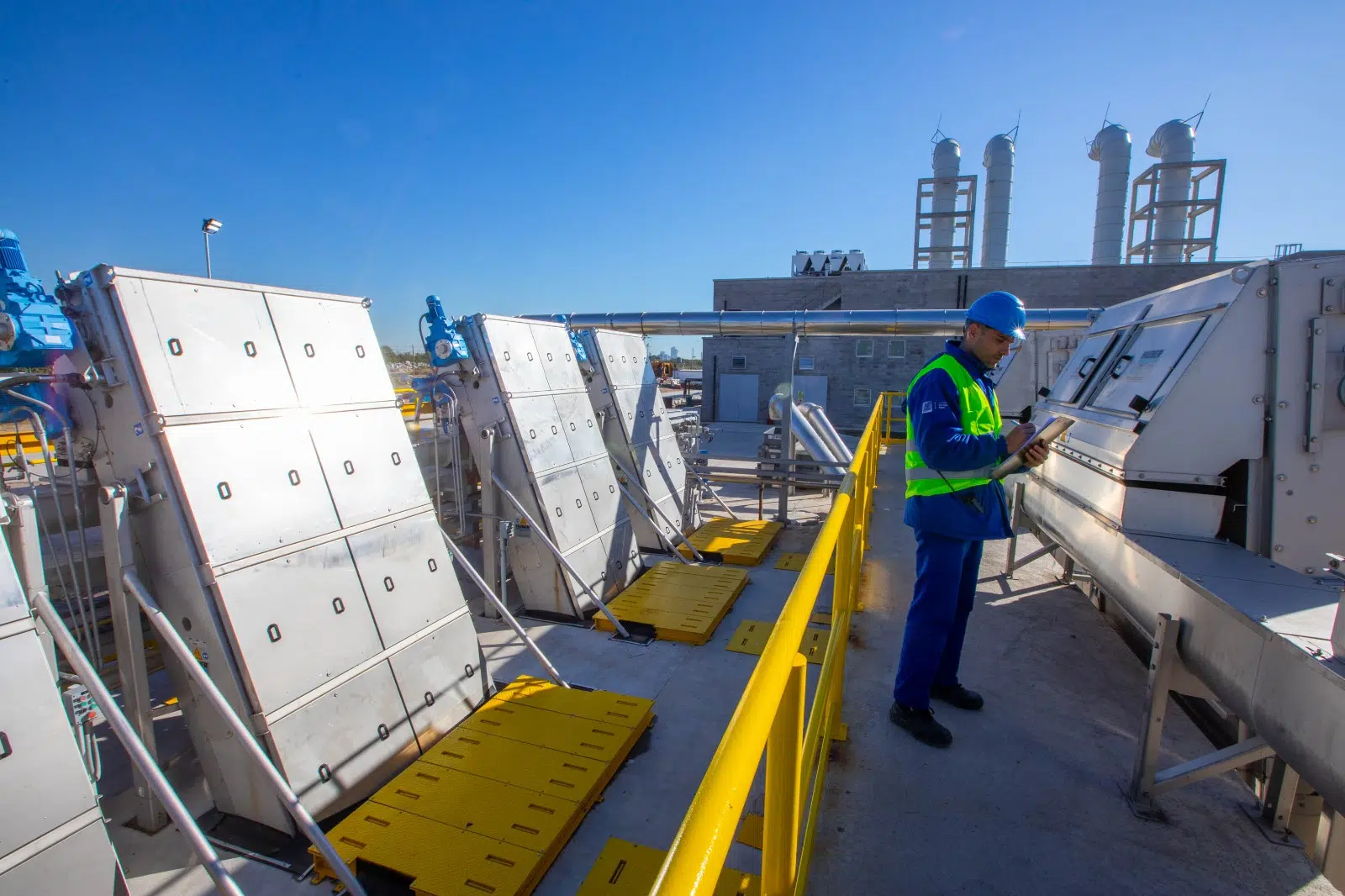 The Riachuelo System project: what benefits it brings.
For the first time, the country has a comprehensive and complete sewer system, which includes collection, treatment, and final disposal of effluents simultaneously.
The project aims to benefit more than 4.5 million people in CABA and 13 municipalities in the Buenos Aires suburbs.
According to the organization, the Riachuelo System is focused on the Matanza-Riachuelo basin, one of the most contaminated watercourses in the world. Additionally, it is a historical symbol of urban environmental degradation in Argentina.
Up to now, the sewer system in Buenos Aires, over 100 years old, operated above its capacity, causing frequent overflows and high health risks.
The new infrastructure addresses a structural issue. It prevents the discharge of untreated sewage into the environment and significantly reduces pollution and risks associated with clandestine effluents.
The three stages of the mega project
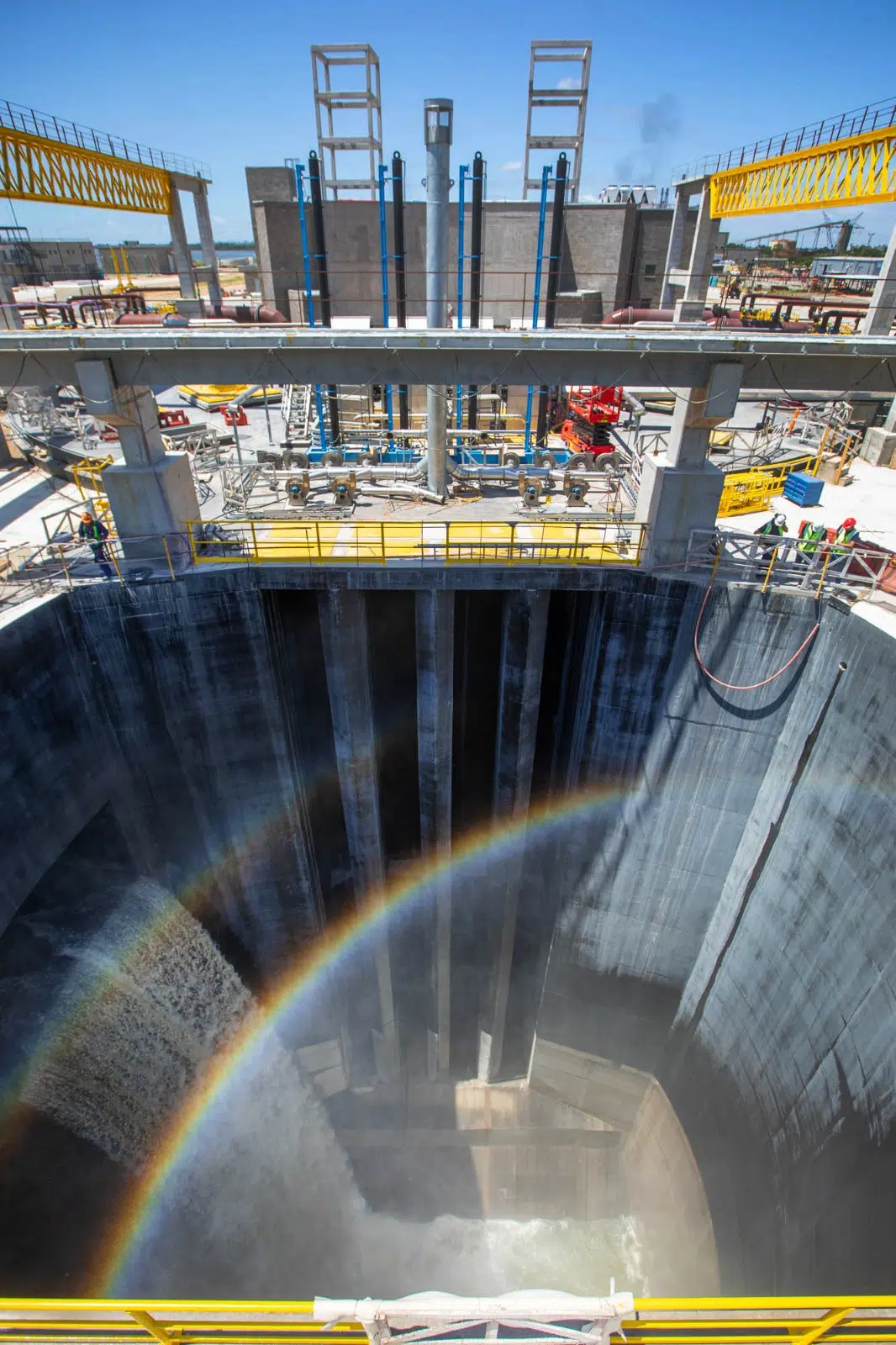 Construction took nearly 10 years.
With a total investment of 1200 million dollars, financed by the National Government and the World Bank, the execution of the Riachuelo System was divided into three lots:
-
Lot 1 – Left Bank Collector: with 30 km of tunnels ranging from 80 cm to 4.5 m in diameter, built with German technology, for the collection and transport of sewage effluents.
-
Lot 2 – Riachuelo Plant: located in Dock Sud, this plant carries out preliminary physical treatment through filtering, sand removal, and degreasing. It has a processing capacity of 2332,800 m³ per day, equivalent to seven soccer stadiums filled with sewage.
-
Lot 3 – Riachuelo Outfall: a 12 km tunnel, 4.3 m in diameter, built 40 meters beneath the Río de la Plata bed, which completes the process with a system of internationally innovative diffusers for the final dispersion of treated effluents.
Environmental, social, and health impact of the Riachuelo System
The Riachuelo System was developed within the framework of complying with the historic ruling of the “Mendoza Case”.
This compelled the National Government, the Province of Buenos Aires, and the Autonomous City of Buenos Aires to implement concrete sanitation actions in the basin, following the complaint of residents of Villa Inflamable.
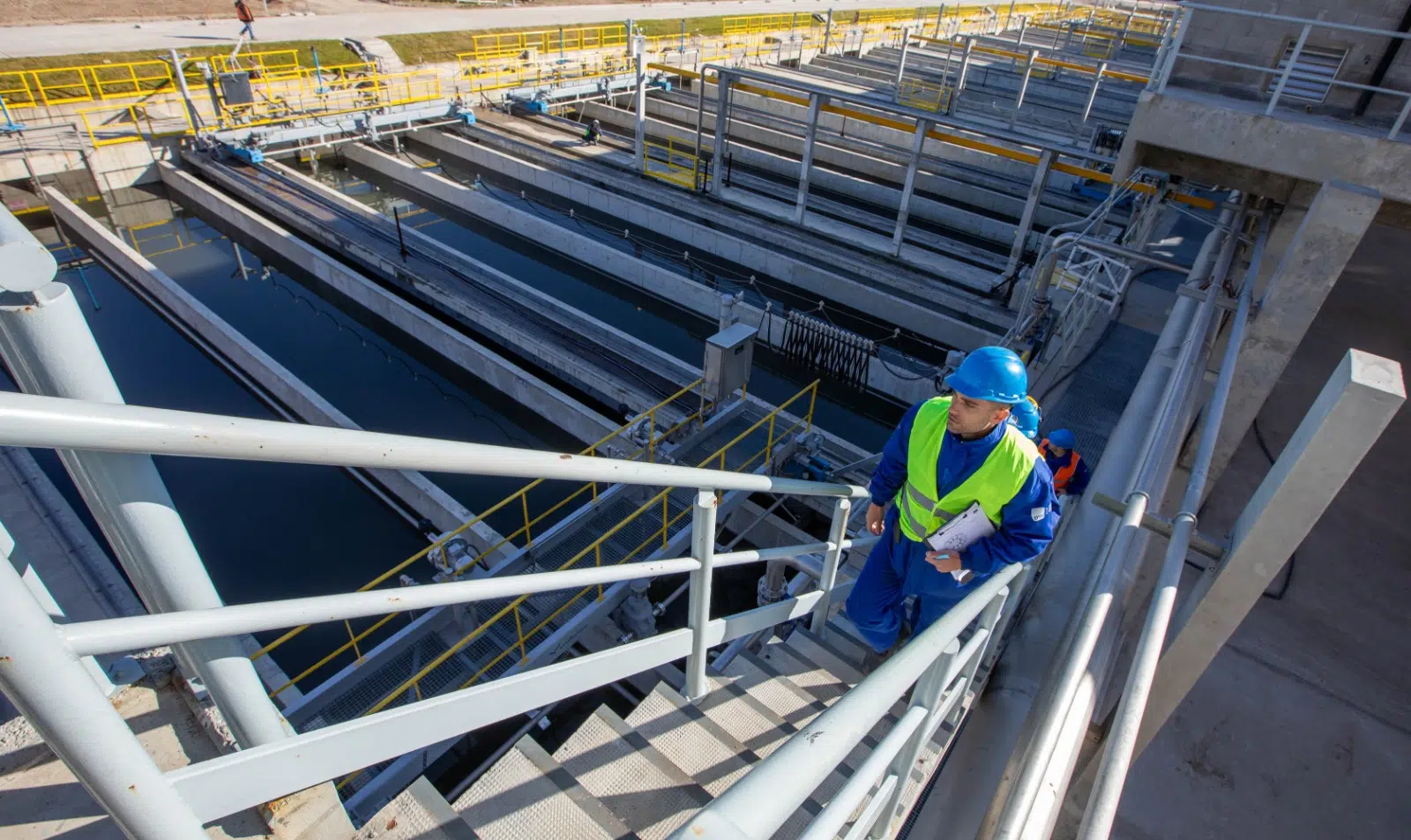 The project completed by AySA.
With its implementation, the sewer service is significantly improved in: Avellaneda, Esteban Echeverría, Hurlingham, La Matanza, Lanús, Lomas de Zamora, Morón, San Isidro, San Martín, Tres de Febrero, Vicente López, and the City of Buenos Aires.
Additionally, it will allow for the inclusion of 1.5 million more people in the sewer system, thanks to the relief of capacity at the Wilde Pumping Station and the Bicentennial Plant in Berazategui.
This will facilitate future expansions in municipalities such as Almirante Brown, Presidente Perón, and Quilmes.
A historic transformation in the sanitation of the AMBA
With this unprecedented project, AySA redefines the operation of the metropolitan sewer system, optimizing the efficiency of effluent transport and treatment, strengthening public health, and reducing Riachuelo pollution, one of the country’s major environmental challenges.



