



The coral bleaching, a phenomenon that occurs when these marine species expel the algae that give them color and nutrients, already affects 84% of the world’s reefs.
This was revealed by a new global analysis. This process is a clear sign that climate change is severely pressuring the ecological limits of the oceans.
The report, prepared by an international team of scientists, warns that a large part of the observed bleaching occurred since 2014.
With increasingly frequent and intense events due to the increase in sea temperature. The El Niño 2023-2024 phenomenon further exacerbated this situation.
What is coral bleaching and why is it so concerning
Bleaching occurs when corals, under extreme thermal stress, expel the zooxanthellae, symbiotic algae that provide them with color and food through photosynthesis.
Without these algae, corals turn white and vulnerable. Although they do not die immediately, they do become weakened and prone to diseases.
 The importance of corals.
In recent years, marine thermal peaks have increased in both frequency and duration, preventing corals from recovering between events.
In some regions, such as the Caribbean, the Western Pacific, and parts of the Indian Ocean, corals experience more than two bleaching events each decade.
Is there nothing to be done?
Despite the magnitude of the crisis, 84% of bleached corals have not yet died. This provides a critical window for action, but time is limited.
According to experts, if global warming exceeds 1.5°C, many reefs will face irreversible collapse. Currently, the planet has already exceeded the threshold of 1.2°C of average warming.
The hope lies in the fact that some corals have shown some capacity for adaptation. However, this resilience has its limit and is not enough to counteract the pace of global warming if drastic greenhouse gas emissions are not significantly reduced.
Why is it important to save coral reefs?
Coral reefs represent only 0.2% of the ocean floor, yet they host more than 25% of marine biodiversity.
They are also essential for human communities: providing coastal protection, fishing resources, and sustainable tourism for millions of people.
The disappearance of corals not only implies the loss of biodiversity but also a severe socioeconomic risk for tropical countries and coastal regions that depend on these ecosystems.
Urgent actions to prevent coral collapse
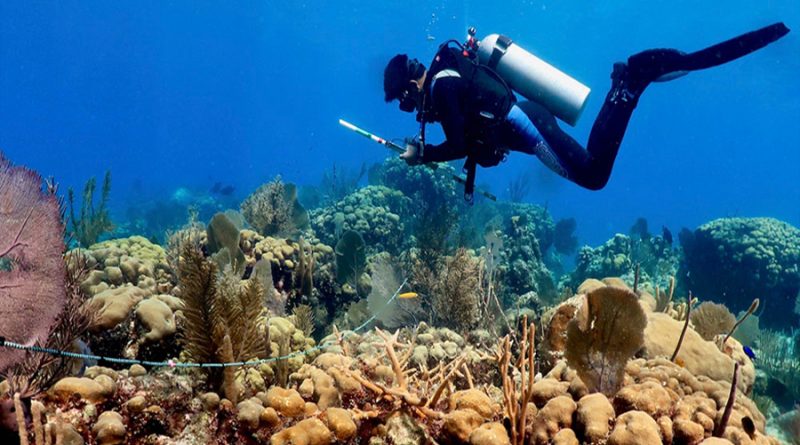 The urgency of saving corals.
To prevent massive coral loss, scientists propose:
-
Rapid reduction of CO2 emissions, especially in industrialized countries.
-
Protection and restoration of reefs through marine conservation policies.
-
Continuous research and monitoring of the state of corals and their thermal conditions.
-
Support for coastal communities transitioning to more sustainable activities.



