



The attempt by the national government to modify the Glaciers Protection Law by decree has generated a wave of rejection throughout the country. Almost 40 environmental assemblies from different provinces denounce this as a regressive measure, endangering the availability of water in key regions.
The current law, enacted in 2010, protects all glaciers and periglacial environments, regardless of their size or condition. It also expressly prohibits mining and hydrocarbon activities in these areas, due to their ecological value and role as freshwater reservoirs.
The official proposal seeks to modify this criterion and leave glaciers under one hectare unprotected. This would leave thousands of ice bodies in Andean provinces such as San Juan, La Rioja, Mendoza, and Catamarca without safeguard.
Environmentalists warn that this measure violates basic environmental principles and weakens one of the few Argentine laws that prioritizes the protection of strategic natural assets.
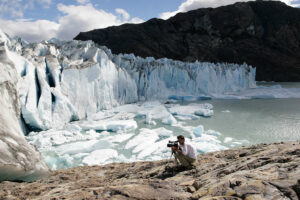
Small Glaciers, a Great Natural Defense
From socio-environmental organizations, they point out that glaciers, even the smallest ones, are essential to maintain river flow during dry seasons. Their function as water reserves is vital in arid regions where snow is scarce.
The Andean system is composed of an interdependent network of snow, ice, and frozen soils. If one part is destroyed, the entire hydrological balance is altered, with consequences for water supply, biodiversity, and regional economies.
Andean communities depend on these resources for irrigation, human consumption, and agricultural production. Weakening their protection would jeopardize the water security of thousands of people.
Extractive Businesses vs. the Right to Water
The central concern of environmental collectives is that this legal flexibilization will facilitate the advance of mega-mining in sensitive areas. Companies already known for their polluting backgrounds could expand into previously restricted areas.
Additionally, they denounce that the presidential decree contradicts the Constitution, the Escazú Agreement, and the principle of non-regression in environmental matters. It also omits consulting with communities, a key step in any regulatory modification with environmental impact.
From Tierra del Fuego to Salta, assemblies and organizations call to defend the law and reject any attempt to modify it that prioritizes economic interests over the collective right to water and a healthy environment. Defending the glaciers, they insist, is defending the future.
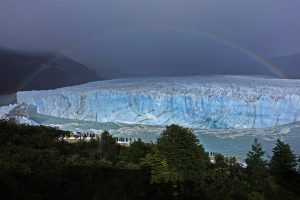
Why Is It Important to Protect Them?
Glaciers are strategic reserves of freshwater that feed rivers, wetlands, and entire ecosystems, especially in arid or high mountain regions. Their gradual melting during dry seasons helps maintain the flow of watercourses and supply human communities, flora, and wildlife.
In addition to their water role, glaciers act as natural climate regulators. By reflecting solar radiation, they help cool the atmosphere and maintain the planet’s thermal balance. Their loss contributes to global warming and extreme phenomena like droughts and floods.
Protecting glaciers is also about preserving biodiversity, agriculture, access to clean water, and the stability of mountain soils. Their conservation is not only an environmental duty but also an investment in the well-being and resilience of future generations.



