



Each May 22, for the past 26 years, the UN has commemorated the World Biodiversity Day. In Argentina, the numbers are concerning:
- 14,000 animals run over since 2019, according to the Roadkill Monitoring Network (Ramfa).
- 1,089,565 hectares of native forests lost in the last five years, according to the National Native Forest Monitoring System.
Although since 2022 there has been a sustained decrease in deforestation, the figures remain critical for the survival of endemic species.
Deforestation and its causes
75% of clearings are concentrated in Santiago del Estero, Salta, Chaco, and Formosa. The main causes are:
- Agricultural expansion: expansion of livestock and soybean cultivation for export.
- Forest fires: increasingly frequent and devastating.
- Political complicity: Greenpeace denounces that fines do not discourage clearings and that restoration of forests is rarely enforced.
The loss of forests not only destroys habitats but also reduces the capacity of ecosystems to absorb water, store carbon, and sustain biodiversity.
Animal roadkill
Ramfa, composed of scientists from Conicet and the Atlantic Forest Research Center, collects roadkill data through citizen science.
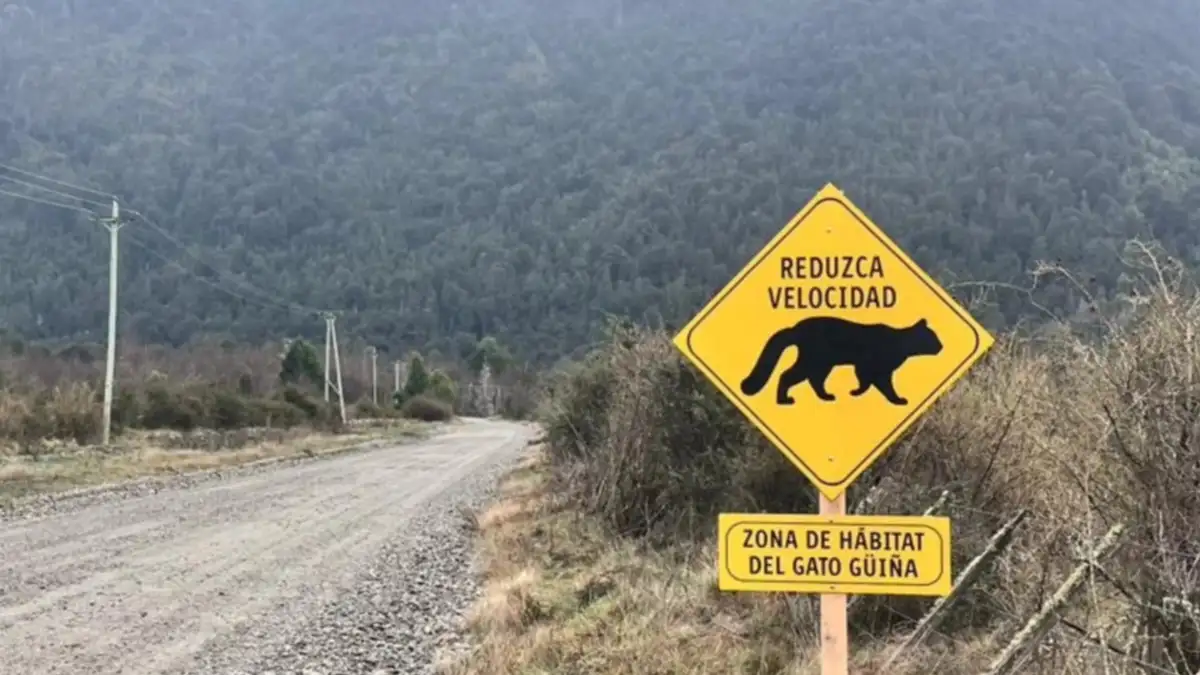
- Most affected provinces: Misiones, Santa Fe, and Buenos Aires.
- Iconic species: jaguar (critically endangered), maned wolf (9 out of 10 die from roadkill), anteaters, tapirs, and marsh deer.
- Bias in reports: larger and charismatic animals are more often recorded, while amphibians, bats, and small birds remain unnoticed.
Coordinator Diego Varela warns that roadkill is one of the main causes of wildlife death globally. In Brazil, for example, 475 million animals die annually on roads.
Risk to humans
Roadkill also poses a danger to people. Animals like capybaras, guanacos, tapirs, and marsh deer cause serious accidents.
- In Mato Grosso do Sul (Brazil), 48 people died in 15 years from collisions with tapirs.
- In Argentina, wildlife-related accidents involve vehicle destruction, injuries, and deaths.
Climate change and extreme events
The study published in Nature Ecology and Evolution warns that by 2085, 36% of terrestrial vertebrate habitats will be exposed to multiple extreme events:
- Heatwaves: will affect 75% of the distribution areas of mammals, birds, amphibians, and reptiles by 2050.
- Forest fires: will impact 16%.
- Droughts: in 8%.
- Floods: in 3%.
If the guidelines of the Paris Agreement are followed, the risk could be reduced to 10%.
Argentine species at risk
The update of the red list of mammals by Sarem reveals that several small felines have increased their threat level:
- Guiña cat (Patagonian forests).
- Tirica cat (Yungas). Other mammals were also categorized as threatened:
- Orange chinchilla rat (Patagonia).
- Big-eared woolly bat (northern Argentina).
- Tuco-tucos (burrowing rodents).
Being endemic species, their disappearance would mean an irreversible global loss.
The combination of deforestation, roadkill, and climate change is bringing Argentine biodiversity to a critical point.
The protection of native forests, the construction of wildlife crossings, and the effective penalization of environmental crimes are urgent measures to halt this crisis.



