



In a groundbreaking announcement for the preservation of Colombia’s biodiversity, the Ministry of Environment and Sustainable Development reported that the country ranks second globally in terms of the volume of public data on its natural wealth.
This news was shared in the context of the National Biodiversity Day, celebrated on September 11.
This milestone was achieved thanks to the Information System on Colombia’s Biodiversity (SIB). Today, it boasts over 34 million open records, enhancing environmental management and compliance with international commitments.
SIB Colombia: global recognition and exponential growth
The SIB is not just a vast repository of information; it is a fundamental strategic tool for environmental decision-making and sustainable territorial planning.
Its significance was also affirmed by receiving the Global Biodiversity Information Facility (GBIF) Excellence Award in 2023, the largest biodiversity data network on the planet.
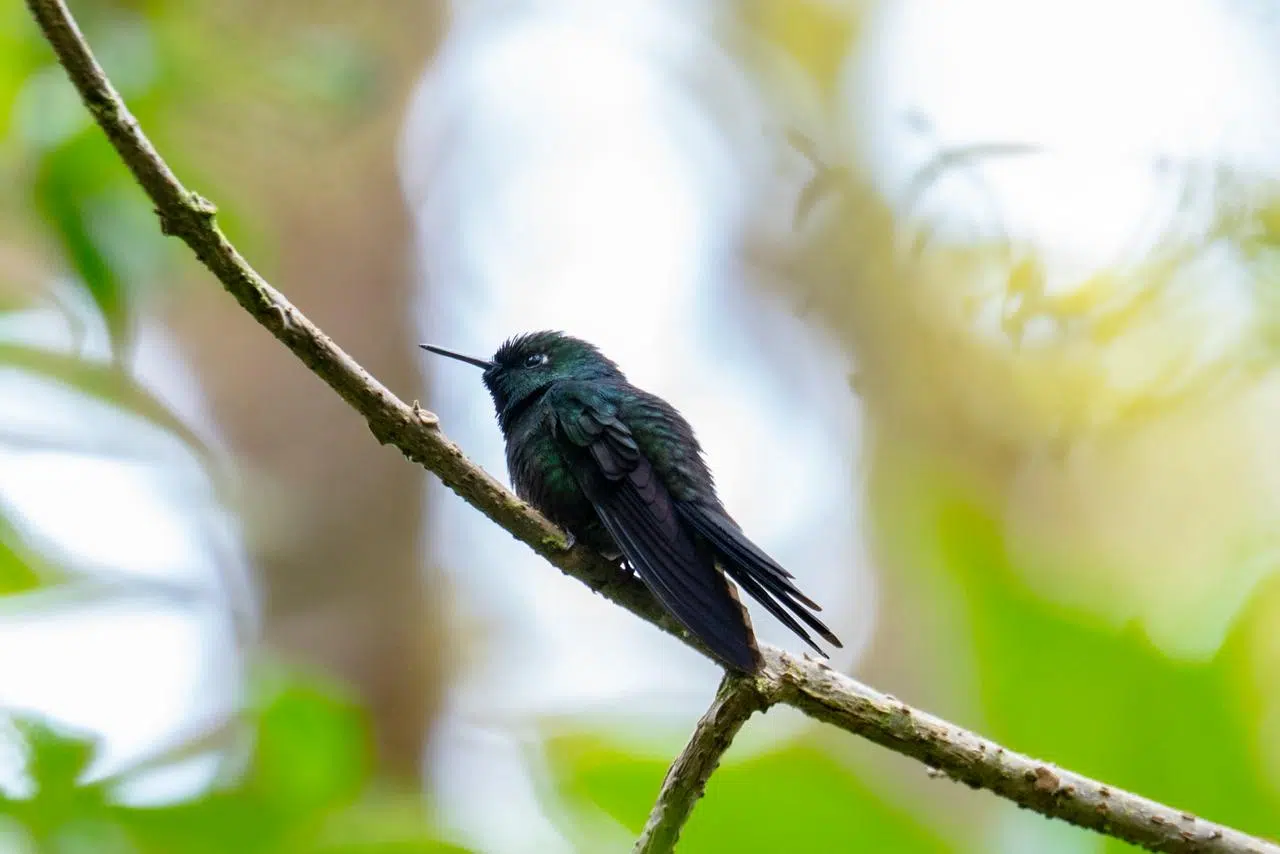
This award highlights the system’s impact in the scientific, political, and community spheres, as well as its commitment to making information accessible to all sectors.
Over the past three years (2022-2024), SIB Colombia experienced unprecedented growth. It added 15.1 million new biological records, representing an 88% increase compared to 2022.
This progress is the result of the collaboration of 254 organizations, including academic institutions, public entities, and citizen science platforms, which contribute 61% of the data, with a particular focus on bird information.
Natalia Ramírez Martínez, Director of Forests, Biodiversity, and Ecosystem Services at Minambiente, emphasized the milestone. “This monitoring data is essential for environmental management in Colombia, providing a systematic, verifiable, and up-to-date view of the state of ecosystems, species, and natural resources,” she stated.
“They form the basis for assessing trends, identifying threats, and prioritizing conservation and sustainable management actions,” she added.
Boosting participation and technological innovation
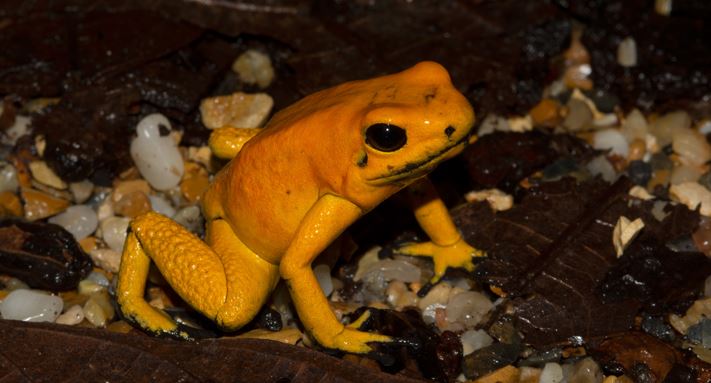 Biodiversity data and advances in Colombia. (Photo: WCS Colombia).[/caption>
To date, the SIB has published 1259 new sets of biological data, 108 checklists, and 154 sampling events, the result of 1434 support processes. Additionally, 2.1 million biological records were repatriated from international organizations, enriching the national portal.
This continuous improvement is thanks to the strategies of the coordinating team of SIB Colombia, hosted at the Alexander von Humboldt Institute. These include strengthening the capacities of various actors, expanding the network of publishers, and constant technological innovation to keep the platform at the forefront.
Ramírez emphasized the strategic role of environmental authorities, who generate much of the monitoring and licensing-derived information. This ensures the integration of SIB with the National Environmental System.
María Helena Olaya from SIB Colombia extended an invitation to all environmental sector actors to join this initiative. Through consultation and data contribution for the conservation and sustainable use of Colombian biodiversity.
Colombia, a global biodiversity treasure
Colombia holds the top spot globally in bird diversity, orchids, and butterflies; second in amphibians, freshwater fish, palms, and bats. Additionally, it ranks among the top in plants, mammals, and reptiles.
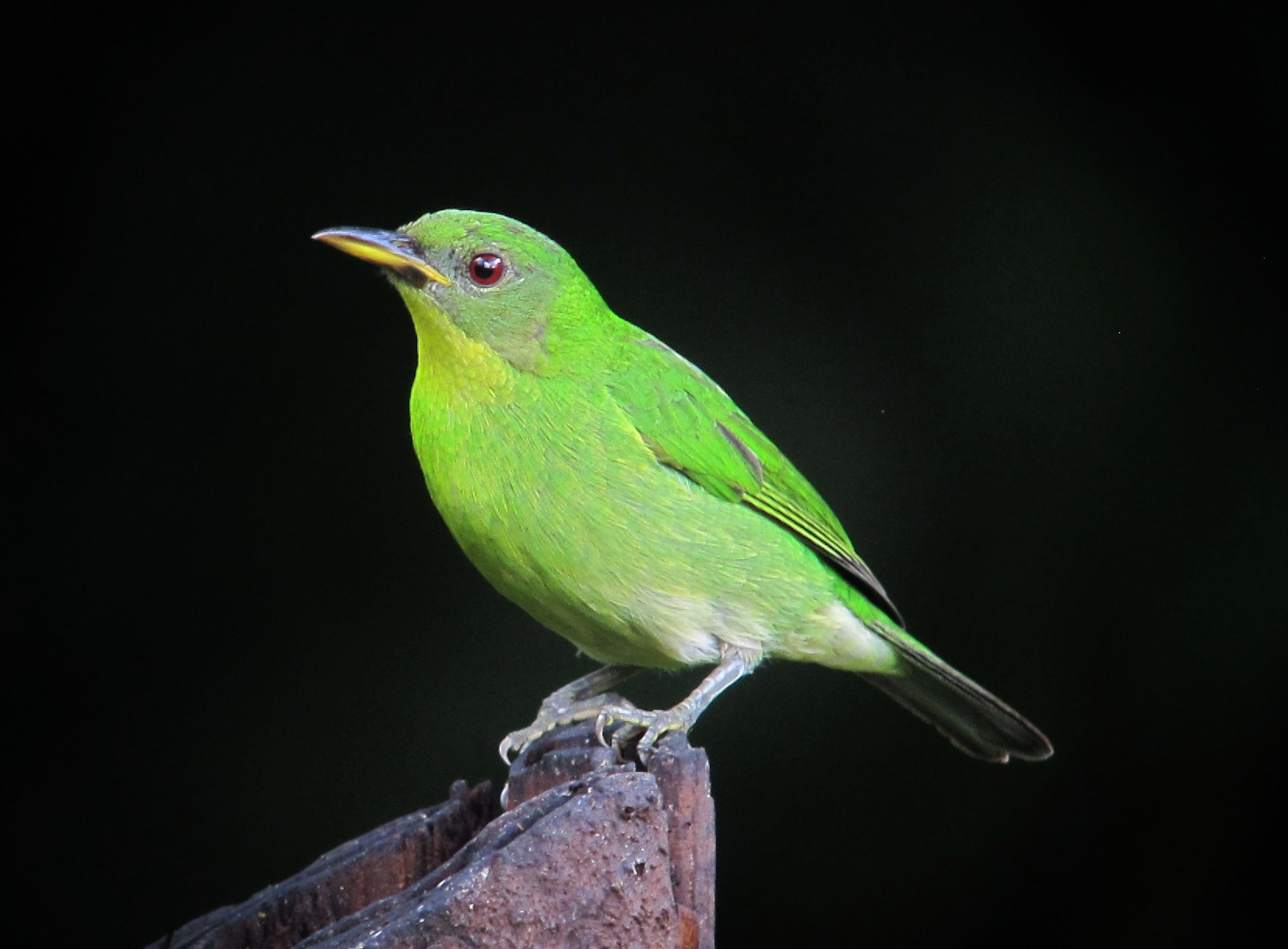 Colombia’s biodiversity.
With over 80,300 observed species, of which 8537 are endemic (including 84 birds, 63 mammals, and over 6200 plants and lichens, many threatened), the country is a true biodiversity hotspot.
Departments like Antioquia (21,895 species), Valle del Cauca (18,030), and Meta (17,022) lead in species richness, while Santander, Tolima, Nariño, and Boyacá stand out for the number of observations.
All this data, accessible at biodiversidad.co, is crucial for guiding scientific research and strengthening environmental management throughout Colombian territory.



