



The persistent presence of mosquitoes is no longer just a seasonal nuisance but a sign of a deeper environmental problem. In this context, deforestation emerges as a decisive factor that alters ecological balances and brings health risks closer to human populations.
Along the coast of Brazil, Paraguay, and Argentina stretches the Atlantic Forest, one of the most diverse ecosystems on the planet. Thousands of plant and animal species coexist there, many of them exclusive to the region.
However, this natural wealth currently coexists with a drastic reduction in its area, compromising its ability to regulate essential ecological processes.
Loss of the Atlantic Forest: from a continuous landscape to isolated fragments
Originally, the Atlantic Forest covered an area equivalent to almost six times the Mexican state of Chihuahua. However, today it retains only a portion similar to the size of that territory, evidencing an accelerated loss.
This retreat is associated with the advance of mass tourism, logging for agricultural, timber, and paper purposes, as well as the sustained growth of urban areas. As a result, numerous species have disappeared or seen their habitat reduced.
As the forest fragments, wild animals decrease, and insects lose their natural food sources, generating new ecological dynamics.
Mosquitoes adapted to a new scenario
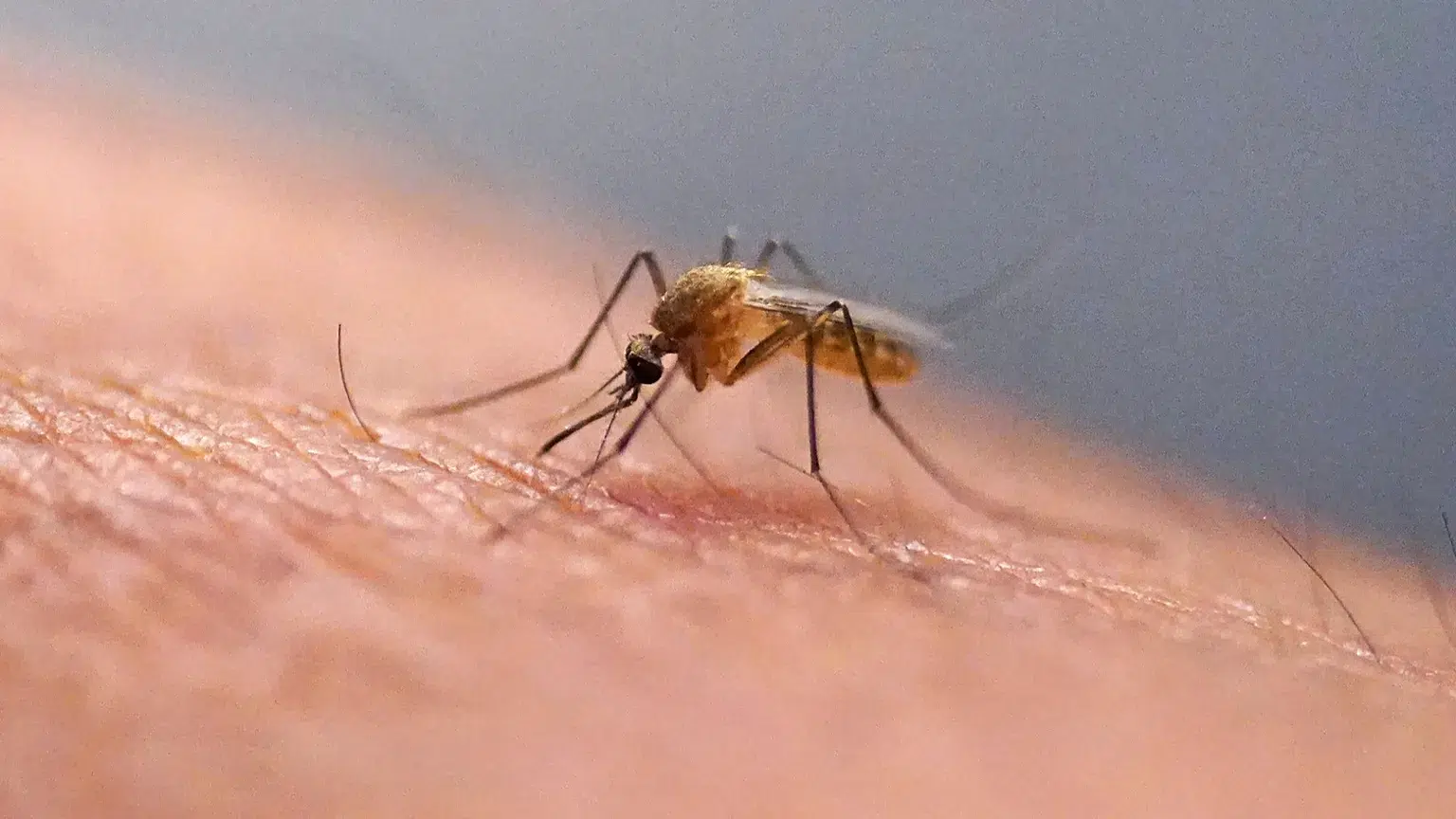
In this altered scenario, mosquitoes find increasingly less wildlife to feed on. Therefore, they quickly adapt and turn to populated areas in search of human blood.
Studies conducted in the region show that a majority proportion of these insects already feed on people, increasing the risk of infectious disease transmission.
Thus, environmental degradation not only affects biodiversity but also modifies epidemiological patterns in vast areas of South America.

Associated diseases and increasing health risk
The mosquito is a vector of diseases such as dengue, zika, and chikungunya, all of which have a strong impact on public health. These infections can cause high fever, persistent joint pain, neurological complications, and, in some cases, severe consequences.
Between 2022 and 2024, America recorded a sustained increase in cases, surpassing 13 million affected people. This growth coincides with the expansion of deforested areas and rising temperatures.
Furthermore, global warming expands the suitable areas for mosquito reproduction, extending the risk to regions previously less exposed.
A shared environmental and social challenge
The combination of biodiversity loss, deforestation, and climate change creates a scenario conducive to future health crises. In the face of this, prevention depends on both environmental policies and public health strategies.
Protecting the Atlantic Forest and other ecosystems not only involves conserving species but also reducing the likelihood of new epidemics. Ultimately, caring for the environment is a direct way to care for collective health.
Without comprehensive and sustained actions, the nighttime buzz of the mosquito will remain a reminder of an unresolved environmental debt.



