



The town of Camarones (Chubut) is facing a critical situation following the appearance of oil stains in the sea, right on the public beach next to the fishing pier. Residents recorded videos showing hydrocarbons floating in the water, turning a technical debate about port expansion into a tangible health alert.
Environmental organizations and specialists warn that the intensity of industrial fishing activity is incompatible with the recreational use of the beach. The lack of infrastructure to contain spills and the poor management of hazardous waste exacerbate the problem.
Risks to community health
The impact is not limited to visible pollution:
- Researchers from CENPAT confirmed the presence of anti-fouling paints on the hulls of ships, which release tin.
- This compound causes imposex, a severe reproductive alteration in mollusks.
- A technical report revealed that a high percentage of mollusks in the port of Camarones exhibit physical anomalies due to exposure to these chemicals.
Although no direct risk to human health from water contact has been demonstrated yet, the real danger lies in the consumption of contaminated snails or bivalves, which could affect local food safety.
Social and economic impact
The possibility of closing the public beach creates uncertainty in the community, as it is the most frequented space during the summer and a key tourist attraction.
However, images of spills and technical reports force a reassessment of priorities, putting the safety of the population above the commercial interests of industrial fishing.
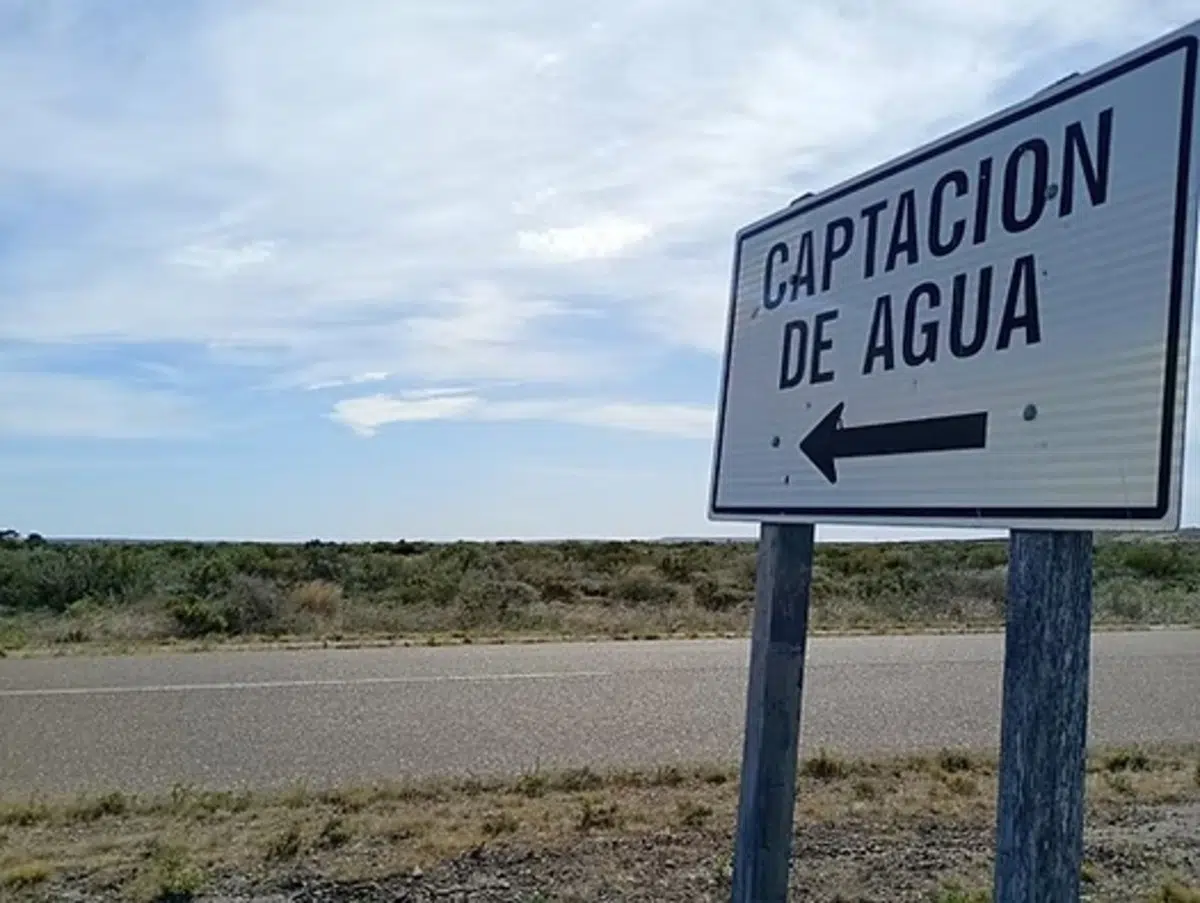
Crisis in drinking water
The environmental problem extends beyond the coast: an official study by the Ministry of Health of Chubut (February 2026) revealed that the municipal water network exceeds the limits of sodium, arsenic, and fluoride established by the WHO.
- In the cistern of La Lochiel, arsenic levels exceed up to eight times the permitted norm.
- In the town’s network, they triple the maximum tolerable.
- The residual chlorine is insufficient, as it is lost in the 35 km of aqueduct, compromising potability.
The excess of chlorides and the brackish taste of the water increase the risk of severe health complications with prolonged consumption.
Health alert in Camarones
Camarones faces a double environmental and health crisis: marine pollution from hydrocarbons and toxic chemicals, along with a low-quality drinking water supply.
The situation demands urgent measures for port control, environmental monitoring, and improvements in supply infrastructure. The community is at a turning point where it must decide between sustaining industrial fishing activity or ensuring the health and safety of its inhabitants.



