



The increase in temperatures intensifies the heat island effect in cities. Therefore, more and more green spaces are becoming key allies. Additionally, plants reduce heat and improve well-being.
Through shade and evapotranspiration, vegetation cools the environment. This reduces energy consumption associated with the use of air conditioners. In this way, nature becomes a climate solution.
At the same time, incorporating plants strengthens urban biodiversity. Therefore, it not only lowers the temperature but also balances the ecosystem. This benefits both the environment and people.
Cities betting on green
In different parts of the world, municipalities are promoting green corridors. In this way, parks, squares, and tree-lined sidewalks are connected. Additionally, sustainable mobility is encouraged.
These initiatives help absorb carbon dioxide. In turn, they improve air quality in densely populated areas. Thus, urban greenery is consolidated as environmental infrastructure.
Neighborhood participation in plant care is also promoted. Consequently, community ties are strengthened. This turns the environment into a collective construction.
Plants that protect and beautify
Plants act as a refuge for insects and birds. Therefore, they keep the ecological chain active in summer. Additionally, they help regulate humidity.
Socially, green spaces reduce thermal stress. They also invite people to spend more time outdoors. This improves physical and mental health.
Together, urban greenery presents itself as a simple response. However, its environmental impact is deep and lasting. Therefore, adding plants is a strategic decision.

Ideal plants for summer
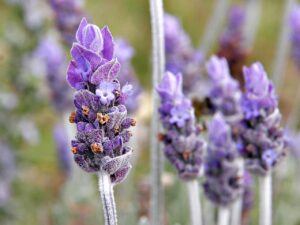
For warm climates, resistant species are the most recommended. For example, jasmine, lavender, and rosemary tolerate high temperatures. Additionally, they require little watering.
Shade trees like jacaranda, ash, and lapacho are key allies. Thus, they protect from direct sunlight and cool the environment. At the same time, they beautify the landscape.
In pots and balconies, succulents and cacti are ideal. Therefore, they adapt well to heat and reduced water consumption. In this way, summer can be greener and more sustainable.



