



The Supreme Court of Justice of the Nation issued a historic ruling against oil pollution in Calilegua, Jujuy. It condemned the National State and the province, as well as two companies.
The ruling orders the immediate cessation of exploitation at the Caimancito oilfield. Additionally, it establishes an environmental remediation plan with a deadline in 2030, rejecting the province’s proposal to extend it until 2049.
The historic ruling of the Court against oil pollution in Jujuy
Justices Ricardo Lorenzetti, Horacio Rosatti, and Carlos Rosenkrantz spoke of a “clear breach of duties” both by the companies in charge of hydrocarbon exploitation and by the regulatory authorities.
Among the detailed incidents is the contamination of the Yuto stream in 1997, caused by the collapse of well Caimancito e3.
Although the case involved several parties, the court ruled out the direct responsibility of Municipality of Yuto, Pluspetrol, YPF, and other individuals in the damage to the well Caimancito e3.
According to the Court, of the 34 Caimancito wells, 12 are still active. However, the exploitation of the rest should have been abandoned in 2006, according to Resolution S.E. 5/96.
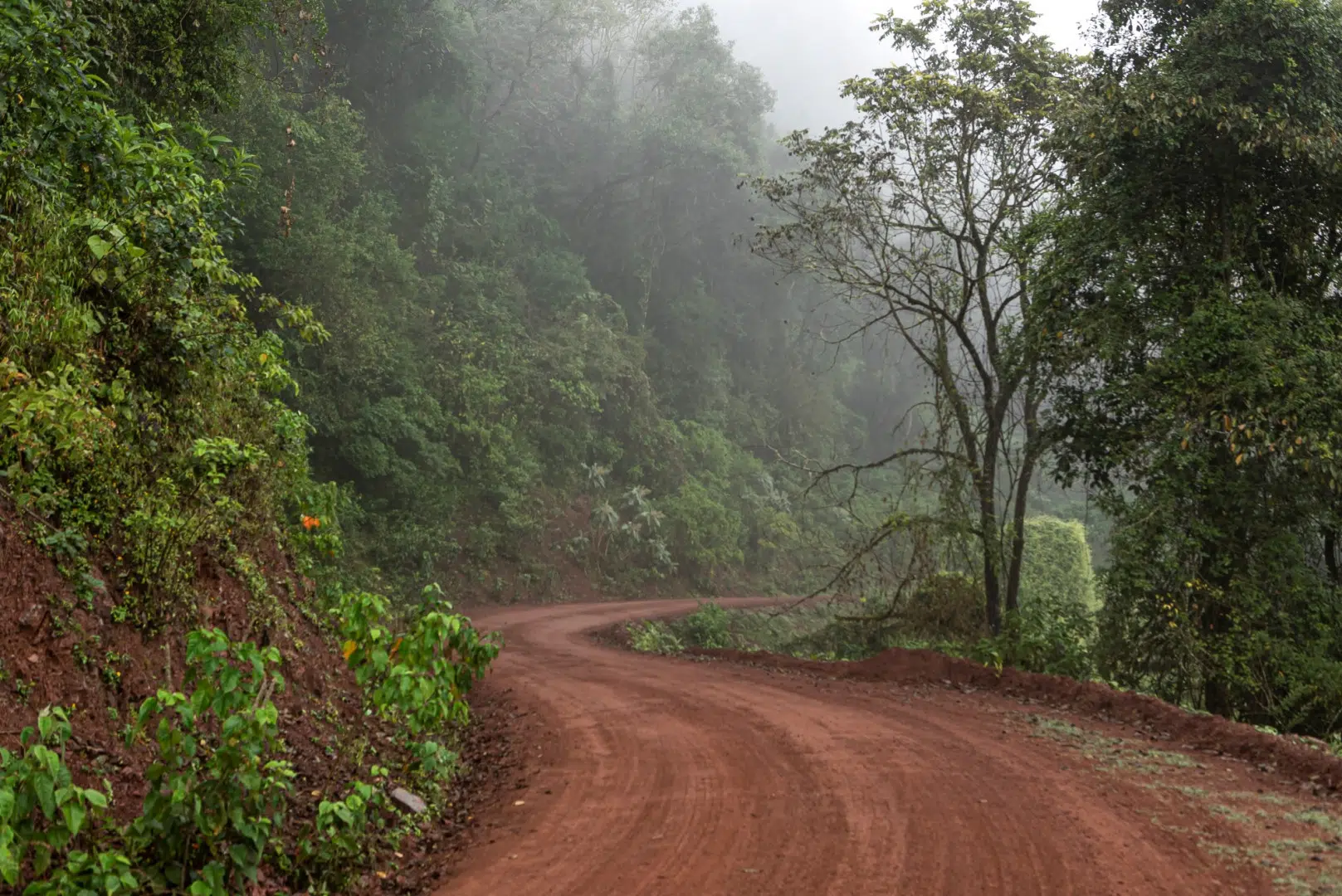
The ruling qualifies the continuation of these activities as “manifestly illegal” and emphasizes the fragility of the Yungas ecosystem, home to endangered species such as the taruca (vulnerable) and the jaguar (near threatened).
The origin of the environmental damage lawsuit in Calilegua National Park
The case originated from a collective amparo action for environmental damage promoted by a group of residents of Calilegua National Park. It was filed against the National Parks Administration, the National State, the Province of Jujuy, YPF S.A., the temporary union of companies South American Petroleum S.A.–Necon S.A., Pluspetrol S.A., JHP International Petroleum Engineering Ltda., Jujuy Energy and Mining S.E. (JEMSE), Felipe Frognier, and the Municipality of Yuto.
The lawsuit requested the declaration of absolute unconstitutionality and nullity of both the continuity of oil exploitation.
In 2021, the Supreme Court intervened and ordered the immediate suspension of hydrocarbon exploitation activities in the protected area, citing its “megadiversity” and the presence of endangered species such as the puma, tapir, and gray fox.
When voting, Judge Lorenzetti emphasized that exploitation violates the National Parks Law 22,351, which prohibits extractive activities in protected areas. The magistrate stressed that environmental protection must prevail for the welfare of future generations.



