



Carbon dioxide levels in the atmosphere recorded the largest increase in 2024 since measurements began in 1957.
The World Meteorological Organization (WMO) warned that this acceleration anticipates further global warming and more frequent extreme weather events.
The phenomenon is driven by human emissions and forest fires.
Concerning carbon dioxide data in the atmosphere
The average CO2 concentrations reached 423.9 parts per million (ppm) in 2024, according to the new WMO report.
This figure represents a significant jump from the 377.1 ppm recorded in 2004 when the bulletin was first published.
The increase between 2023 and 2024 was 3.5 ppm, setting an unprecedented record.
This increase reflects a worrisome trend that has accelerated in recent decades.
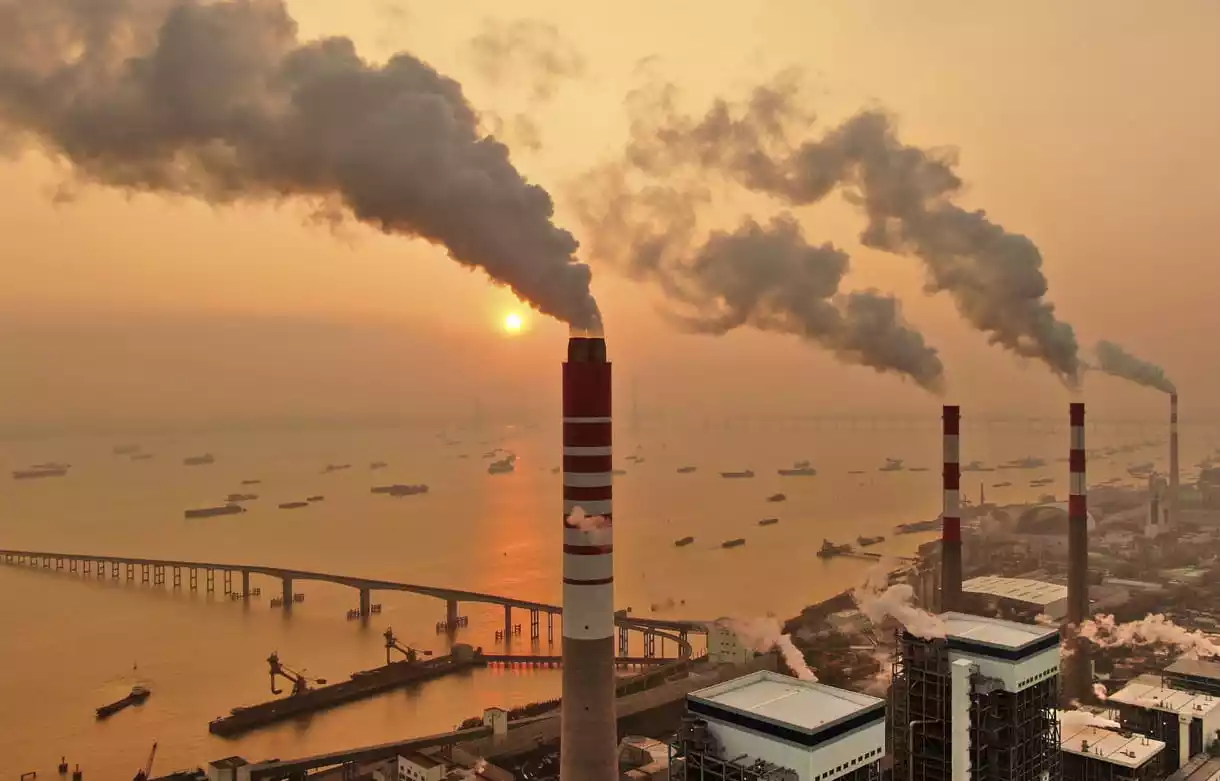
Carbon dioxide emissions triple in six decades
The UN agency’s bulletin revealed that carbon dioxide growth rates tripled since the 1960s.
The average annual increase went from 0.8 ppm in the sixties to 2.4 ppm between 2011 and 2020.
This acceleration is due to various factors including:
- continuing emissions resulting from human activity;
- the increase in forest fires;
- the reduced absorption by land and ocean sinks.
The issue of weakening carbon dioxide absorption sources
The WMO explained that about half of the emitted CO2 remains in the atmosphere, while the rest is absorbed by land and oceans.
However, this natural storage is weakening.
Warming reduces the oceans’ solubility and exacerbates drought, threatening to create a climate vicious circle.
The 2024 increase was amplified by a resurgence of forest fires and reduced absorption in the warmest year on record, with a strong impact from the El Niño phenomenon.
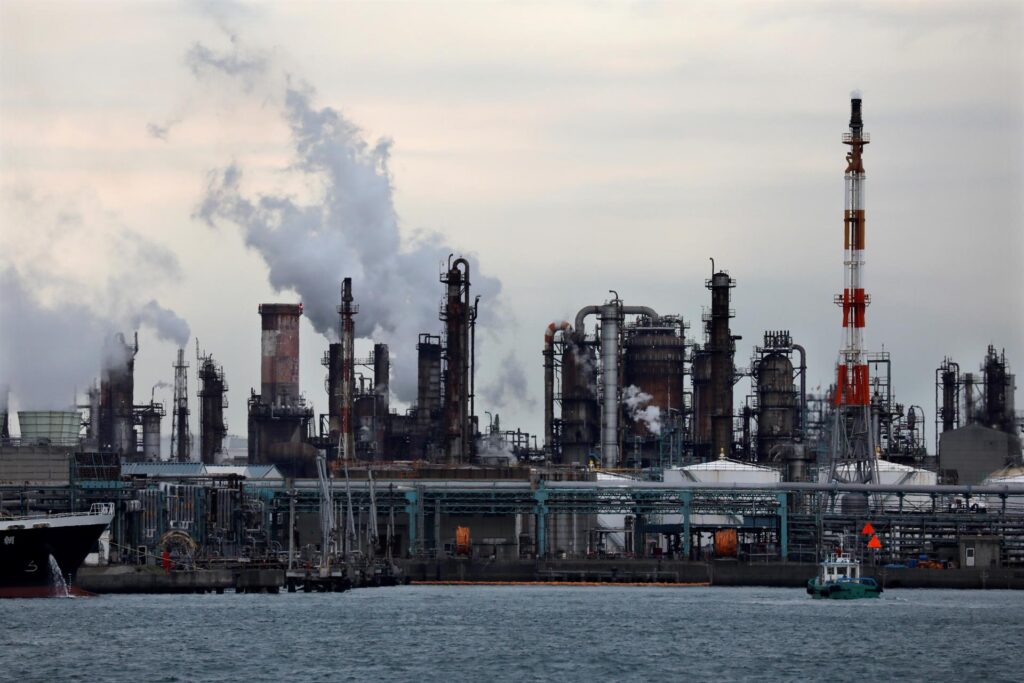
Other gases, also at record levels
Methane and nitrous oxide, the other two most important long-lived greenhouse gases, also set emission records in 2024.
Methane levels rose to 1942 parts per billion (ppb), 166% above pre-industrial levels.
Meanwhile, nitrous oxide reached 338 ppb, a 25% increase from the pre-industrial era.
The long-term impact on climate
The WMO indicated that carbon dioxide influences the current climate and its effects persist for many centuries.
The rise in temperatures is accompanied by an increase in extreme weather events.
WMO’s Deputy Secretary-General, Ko Barrett, stressed that “it is essential to reduce emissions not only for our climate but also for our economic security and community well-being.”
The organization warned that global temperatures will continue to rise if urgent measures are not taken to reduce greenhouse gas emissions.


