



The oral trial for the application of phytosanitary products in the peri-urban area of Pergamino concluded with a sentence that sets a precedent for environmental conflicts related to agricultural activity. The Federal Oral Court No. 2 of Rosario decided to acquit the seven accused related to the spraying and convicted two former municipal officials for failing to fulfill their control duties.
The resolution shifts the focus of the responsibilities analyzed during the judicial process. While the judges considered that it was not possible to criminally demonstrate the direct involvement of the producers in the investigated events, they did understand that there were serious omissions by the bodies responsible for supervising the activity.
The case, followed for several years by environmental organizations, neighbors, and representatives of the agricultural sector, brings back to the forefront the need to strengthen environmental control mechanisms and update the regulations applicable to peri-urban areas.

The lack of evidence prevented attributing criminal responsibilities to the producers
During the trial, the Prosecutor’s Office had requested prison sentences, disqualifications from engaging in activities related to agriculture, and the confiscation of rural establishments. However, the court concluded that the evidence gathered was not sufficient to prove the criminal responsibility of the defendants under the requirements demanded by current legislation.
Thus, producers Fernando Cortese, Mario Roces, and Víctor Tiribó, as well as brothers Carlos and Hugo Sabatini, applicator Cristian Taboada, and agronomist José Luis Grattone were acquitted.
The judges acknowledged that there is scientific evidence about the potential environmental and health effects associated with certain phytosanitary products, although they pointed out that deficiencies in evidence collection prevented establishing a direct criminal link between the investigated applications and the reported damages.
The Justice system held officials accountable for the lack of controls
In contrast, the ruling determined that Guillermo Naranjo and Mario Tocalini, former members of the Rural Environment Directorate of Pergamino, failed to fulfill their obligations as public officials.
Both received a sentence of two years of conditional execution imprisonment and four years of special disqualification from holding public office for not having adequately intervened in response to repeated complaints filed by neighbors.
According to the sentence, the lack of inspections, verification records, and territorial controls weakened the State’s ability to gather sufficient evidence and effectively supervise the activities carried out during the investigated period, from 2011 to 2019.
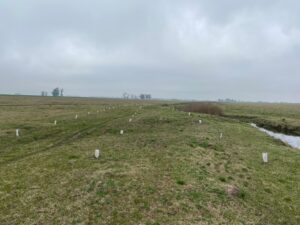
The ruling prompts a review of environmental policies
In addition to resolving the situation of the defendants, the court urged an investigation into the level of knowledge and the potential responsibility of other municipal authorities who held positions during the analyzed years.
Furthermore, the judges emphasized the need to create a dialogue platform among public bodies, producers, specialists, and various social actors to advance towards technical regulations that allow for the compatibility of agricultural production with the protection of the environment and nearby communities.
The resolution also warns about the need for clear regulations and permanent supervision mechanisms that provide predictability to both economic activity and the protection of natural resources.
What Law 24.051 establishes and its main provisions
The Law 24.051 on Hazardous Waste is one of Argentina’s main environmental instruments to prevent pollution arising from the handling of substances considered hazardous to human health and the environment.
The regulation covers all stages related to these wastes, including their generation, handling, transportation, treatment, and final disposal. Additionally, it establishes the obligation to register in specific records, implement safety measures, and minimize environmental risks throughout the process.
Among its central points are the principle of generator responsibility, the obligation to adequately control waste, the application of administrative and criminal sanctions for violations, and the possibility of imposing responsibilities when conduct causes dangerous pollution to the environment or the population.
In this way, the law seeks to strengthen prevention, promote safe environmental management, and ensure the protection of ecosystems and public health against activities that may generate significant impacts.



