



The province of Misiones took a new step in environmental matters by approving a stricter regulatory framework for projects related to the control of native species, such as conservation, ecological restoration, and wildlife management.
The decision strengthens state control over the biological resources of the Paranaense Jungle and redefines the conditions for research, animal releases, and reproduction of native species.
The measure was formalized through Resolution 105/2026 of the Ministry of Ecology and Renewable Natural Resources. From now on, any initiative related to native flora, wildlife, fungi, or microorganisms must meet much more rigorous technical, sanitary, and scientific requirements.
Additionally, the new scheme incorporates the concept of biological sovereignty, by establishing concrete limits on the transfer of species considered strategic for the ecosystem of Misiones.

Greater protection for emblematic species of Misiones
One of the central axes of the regulation focuses on the species declared Provincial Natural Monuments. Among them are emblematic animals and plants such as the jaguar, the araucaria, and the river otter, which will be under stricter state protection.
Furthermore, the resolution prohibits the transfer outside Misiones of specimens, seeds, seedlings, offspring, or biological derivatives belonging to these species, except for exceptional authorizations duly justified by the environmental authority.
In parallel, any conservation project involving Provincial Natural Monuments must mandatorily have active participation of the provincial State. In this way, the Government seeks to reinforce monitoring of scientific research and private projects related to the genetic heritage of the Paranaense Jungle.
The regulation also reflects the growing international relevance of biodiversity and the genetic information associated with native plant, animal, and microorganism species.
New requirements for scientific and environmental projects
The new regulatory framework considerably raises the requirements to develop ecological projects within the provincial territory. It will no longer suffice to present general conservation proposals.
From now on, organizations must demonstrate technical capacity, financial backing, verifiable objectives, and specific monitoring systems for each environmental intervention.
Additionally, in native flora projects, it will be required that seedlings come exclusively from nurseries registered in Misiones and that correspond to the genetic material of the Paranaense Jungle.
In wildlife, each specimen must be identified through microchips, collars, bands, biometrics, or other traceability systems. In turn, the Ministry of Ecology may request population studies, species inventories, and environmental impact assessments before approving any initiative.
More controls on transfers and release of animals
The resolution also tightens the conditions for translocation and wildlife release projects. Organizations must scientifically justify each transfer and present population restoration programs with mandatory follow-up for at least three years.
Additionally, projects must include sanitary controls, genetic analyses, transport protocols, and contingency plans in the face of possible ecological or sanitary failures.
Another relevant point is the express prohibition of breeding native species intended for sport or commercial hunting. With this decision, Misiones strengthens its stance against the recreational exploitation of native fauna.
Tightening the rules to protect local biodiversity
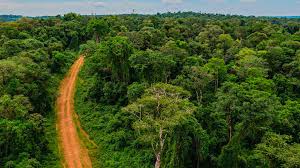
Strengthening the environmental control can provide key benefits for the conservation of the Paranaense Jungle, one of the most biodiverse ecosystems in South America, of which less than 10% of its original surface survives.
The genetic traceability will allow preserving native populations adapted to the local environment, avoiding biological mixes that could alter vulnerable species. Additionally, mandatory monitoring will help improve the scientific quality of ecological restoration projects.
On the other hand, the incorporation of specific protocols for fungi and microorganisms represents a rare advance in Argentine provincial regulations. These organisms perform essential functions in soil regeneration, nutrient recycling, and forest balance.
Finally, the increase in state controls seeks to reduce risks of illegal species trafficking, unauthorized extraction of biological resources, and damage to critical habitats for regional biodiversity.



