



In times of prolonged droughts and depleted soils, every natural resource counts. Oats, that classic breakfast ingredient, has become an unexpected ally in strengthening houseplants without harming the environment. Rich in essential nutrients, it offers a sustainable and economical alternative to industrial fertilizers.
In pots or gardens, oats improve soil health and stimulate plant growth thanks to their content of potassium, phosphorus, and magnesium. These elements promote flowering and fruit production, and strengthen roots. Using it not only benefits plants: it also reduces the use of chemicals that pollute the environment.
Furthermore, its regenerative action is not limited to nutrition. By reinforcing the natural defenses of plants, it helps prevent pest attacks, promoting a more balanced and healthy ecosystem. That’s why more and more people are incorporating oats into their ecological gardening routines.
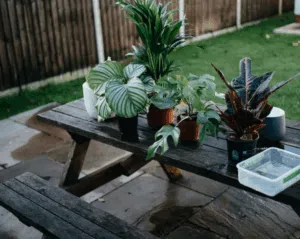 Plants. Photo: Unsplash.
Two Simple and Green Ways to Use Oats at Home
To add it to your garden, you can choose between two methods. The first is to use rolled oats directly on the soil: sprinkle a thin layer around your plants, moisten it with water, and let it decompose slowly. Do not overdo it to avoid compaction or mold formation.
The second option is to prepare “oat water”. Soak a few tablespoons in warm water for a few hours or overnight. Then strain it and use that liquid to water your plants. This method is ideal if they need a quick nutrient boost, as its effect is more immediate.
Both alternatives are effective and affordable, but should be applied in moderation. Although oats are natural, excessive use can attract unwanted insects. Combined with other fertilizers and observing your plants’ response, it can be the green boost your garden needs.
 The benefits of oats in the garden. Photo: Pixabay.
An Environmentally Friendly Crop
Oats stand out not only for their nutritional value, but also for their low environmental impact. It is a resilient plant that requires less water than other crops and can grow in poor soils, thus reducing pressure on more fragile ecosystems.
Its cultivation promotes biodiversity and acts as soil cover, helping to prevent erosion and improve soil health. Additionally, when integrated into agricultural rotation systems, oats help reduce the use of fertilizers and pesticides, improving soil and water quality.
Another ecological advantage is its reduced carbon footprint compared to animal-derived foods. Promoting its consumption helps diversify the diet sustainably and reduce emissions associated with food production.


