



On June 13, 2026, a truck carrying fipronil, a highly toxic pesticide, overturned on route PR-180 in the state of Paraná, Brazil, spilling about 800 liters of the product.
Subsequent rains washed part of the chemical into the Lajeado Grande River, contaminating the water and leaving more than 120 families in the rural community of Vista Alegre without access to potable water.
The affected area is located between Francisco Beltrão and Dois Vizinhos, a key agricultural region in southwestern Paraná.
Emergency Measures
Authorities activated protocols to contain the contamination:
- Isolation of the artesian well that supplies the community, as a preventive measure.
- Suspension of potable water service for at least 15 days, while laboratory analyses are conducted.
- Distribution of water via water trucks to ensure supply to the families.
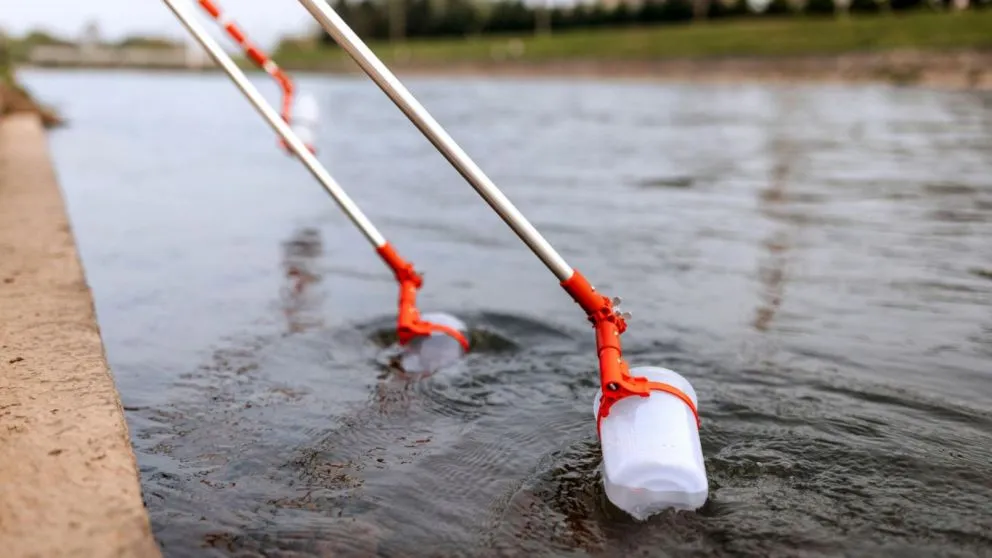
- Periodic controls over the next six months to monitor the quality of the resource.
Toxicity of Fipronil
Fipronil is an insecticide used in agriculture and livestock to control pests. However, environmental organizations consider it highly toxic to aquatic species and other organisms in natural ecosystems. Its presence in rivers and aquifers poses a serious risk to biodiversity and human health.
Decontamination Operations
The Water and Land Institute (IAT) of Paraná maintains a permanent operation in the area:
- Removal of contaminated soil with heavy machinery.
- Installation of containment barriers to prevent new residues from reaching the river.
- Supervision of cleaning tasks and evaluation of environmental impact.
One of the installed barriers gave way during the early morning following the accident, allowing part of the product to reach the river, worsening the situation and forcing reinforcement of operations.
Responsibilities and Sanctions
The company responsible for the transport reported that it activated the protocols provided by the environmental cargo insurance and attributed the difficulties to heavy rainfall.
However, authorities are investigating possible responsibilities and, if environmental damage is proven, sanctions could be applied according to Brazilian legislation.
A Structural Problem
The case once again raises the challenges associated with the transport of chemicals in rural areas and the need for quick and effective response systems. Incidents of this type affect strategic resources such as water, essential for rural communities and fragile ecosystems.
The fipronil spill in Paraná is a reminder of the risks involved in the use and transport of highly toxic pesticides. The environmental emergency not only left more than 120 families without water but also exposed the vulnerability of ecosystems to chemical accidents.
The experience reinforces the urgency of strengthening safety protocols, monitoring, and sanctions to protect both communities and the environment.


