



During a routine patrol in the Yabotí Biosphere Reserve in Misiones, park rangers caught three illegal hunters in the Esmeralda Provincial Park. Two managed to escape, but one was detained on site, along with firearms and horses used to penetrate the jungle and carry out a slaughter of wildlife.
The operation led to the seizure of two 28-gauge shotguns, one 16-gauge shotgun, and three horses, all made available to the authorities. The detained hunter was taken to the local police station and awaits judicial proceedings after the corresponding reports were filed.
Park rangers stressed the importance of strengthening surveillance in protected areas of Misiones, especially in areas where biodiversity is constantly under threat. Illegal hunting remains a looming danger to wildlife and ecosystems in the region.
This action is part of the sustained environmental protection policy that combines patrols, controls, and educational activities to combat environmental crime and safeguard the biodiversity of Misiones.

Yabotí: a vital refuge for biodiversity
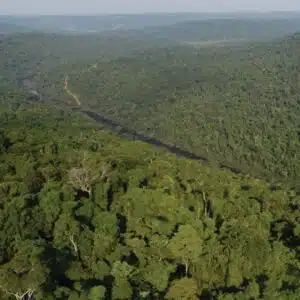
The Yabotí Biosphere Reserve, established in 1995, is one of the most emblematic natural areas of Misiones. With over 250,000 hectares, it harbors a fundamental portion of the Paraná Rainforest and is part of UNESCO’s Man and Biosphere program.
Among its landscapes are the Moconá Falls and extensive sectors of native forest that serve as a refuge for endangered species, such as the jaguar, a symbol of Misiones’ fauna. The coexistence of protected areas and private properties requires constant monitoring to prevent illegal activities.
The work of the agents is crucial to protect one of the country’s last green lungs. Each operation not only prevents immediate damage, but also deters future incursions by poachers in the region.
The environmental consequences of illegal hunting of wildlife
Poaching represents a direct threat to wildlife and ecosystem stability. The illegal extraction of animals disrupts food chains, affects the natural balance, and diminishes populations of vulnerable species.
In Misiones, the pressure on species like the jaguar, tapir, or deer has led to their critical conservation status. Hunting not only reduces their numbers, but also fragments their habitats, making reproduction and survival more challenging.
Furthermore, poaching impacts ecosystem health by altering natural dynamics and promoting the spread of pests or invasive species. The loss of key wildlife can have irreversible consequences for environmental balance.
The effective protection of areas like Yabotí and the fight against illegal hunting are essential to preserve Misiones’ rich biodiversity. Promoting ecological awareness and strengthening community commitment are fundamental tools in this environmental challenge.


