



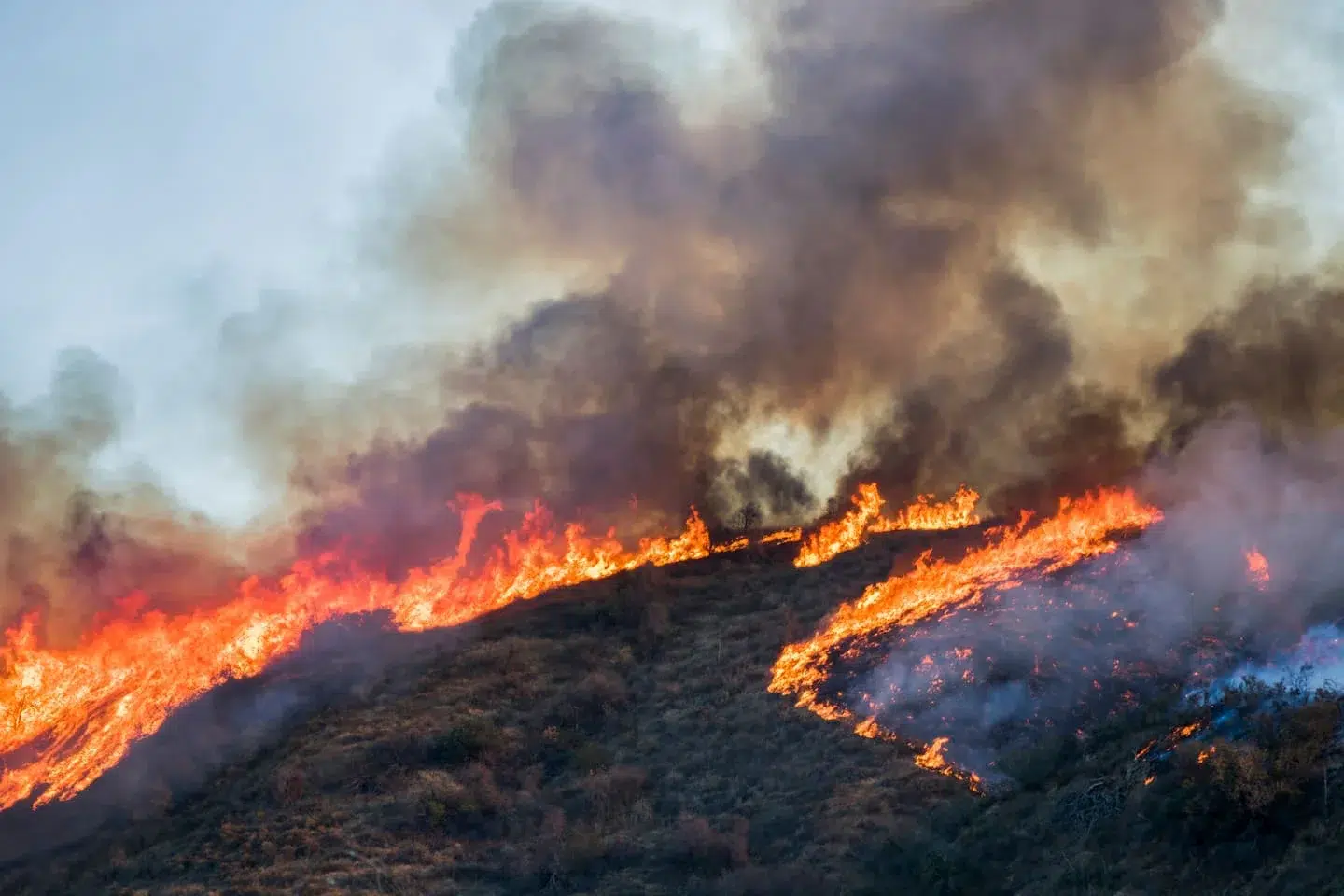
The forest fires that ravaged large areas of the province of Chubut have once again raised a national environmental alarm, bringing the concept of ecocide back into debate. In this context, the degradation of forests, rivers, and soils exposes clear limits of the current legal framework.
Therefore, a new legislative push has emerged from Patagonia aiming to make a qualitative leap in environmental defense. The proposal seeks to incorporate the concept of ecocide into the Argentine Penal Code.
Thus, the climate and ecological emergency translates into a political debate that centers on human responsibility for irreversible damage.
An initiative driven from Patagonia
Chubut Senator Edith Terenzi leads the project along with other Patagonian representatives. Additionally, the initiative has the support of the Governor of Chubut, Ignacio Torres, who requested it be addressed in extraordinary sessions.
The main objective is to criminalize actions that cause serious and lasting environmental damage. In this way, it seeks to move towards more severe sanctions and specialized judicial mechanisms.
According to its proponents, without a specific criminal figure, environmental destruction remains a low-cost crime compared to its social and ecological consequences.
What is meant by ecocide?
The concept of ecocide refers to the massive destruction of ecosystems caused by illegal or negligent human actions. Its definition combines legal, environmental, and ethical dimensions.
The notion refers to the idea of “killing the common home”, understanding the environment as a system on which all forms of life depend. Therefore, its scope transcends borders and generations.
In scenarios such as intentional fires, river pollution, or degradation of natural territories, ecocide allows naming a damage that today is diluted in minor criminal figures.
Fires, climate change, and chain effect
In regions like the Andean Region, fire not only consumes forests. It also alters soils, watercourses, and biodiversity, affecting balances that take decades to recover.
Moreover, ecosystems are interconnected. What happens in Chubut impacts the ocean, the carbon cycle, and the global climate. Thus, local damage becomes a planetary problem.
Therefore, advancing in robust environmental legislation appears as a key tool against climate change and the depletion of natural resources.

A project awaiting consideration
The initiative was presented in the Senate last year but failed to advance due to a lack of quorum in committees. However, its proponents are confident in reviving the debate in the coming months.
The project proposes creating a specific chapter on ecocide within the Penal Code. It also aims to strengthen environmental justice at the federal level.
Meanwhile, the international precedent reinforces the debate, as countries like Belgium, France, and Chile have advanced with similar regulations.
Why incorporate ecocide into the Penal Code?
Criminalizing ecocide would allow preventing environmental damage before it becomes irreversible. Additionally, it would create a deterrent effect against extractive or destructive practices.
On the other hand, it would strengthen the protection of local communities and indigenous peoples, often affected by projects that degrade their environment.
Finally, it would consolidate a long-term perspective, where the environment ceases to be a secondary variable and takes a central place in justice and in the country’s development.



