



The Conserva Puchegüín campaign, driven by the NGO Puelo Patagonia along with an international coalition, managed to raise over 78 million dollars to purchase, protect, and manage in the long term 133 thousand hectares of wilderness in the Cochamó commune.
It is the largest private property in the area, a key piece to consolidate one of the most important biological corridors in Latin America, connecting 1.6 million hectares of protected areas between Chile and Argentina.
A unique climate refuge
The Puchegüín Estate houses:
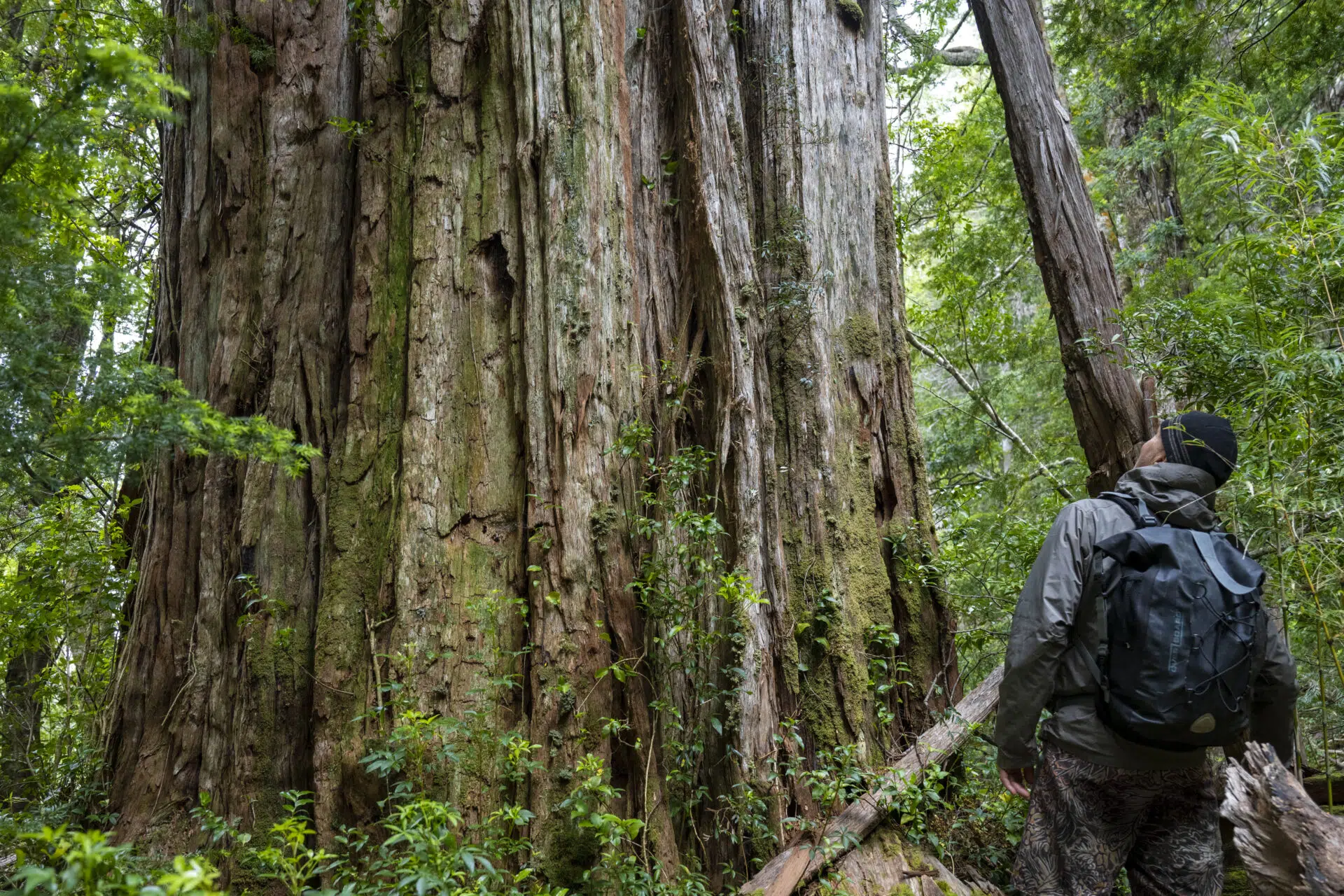
- 58 thousand hectares of primary forests.
- Almost 11% of the planet’s larches.
- Iconic species such as the huemul, the monito del monte, the pudú, and the Darwin’s frog.
Besides its ecological value, the purchase ensures the continuity of cultural practices and traditional crafts of local communities that for decades faced threats of land subdivision, industrial projects, and unregulated tourism.
Civic participation and global support
Since its launch in April 2024, the campaign mobilized thousands of people in 21 countries, demonstrating that conservation can originate from civil society, combining science and local knowledge.
“This is a historic milestone not only because of the magnitude of the protected territory but also because of the way it has been done: with civic participation and respect for the communities,” said Andrés Diez, executive director of Puelo Patagonia.
An international alliance
Conserva Puchegüín brings together:
- Puelo Patagonia.
- The Nature Conservancy (TNC).
- Freyja Foundation.
- The Wyss Foundation.
- The outdoor brand Patagonia.
The coalition combined fundraising with technical and territorial work: wildlife and forest monitoring, tourism regulation, and early consultations with local communities.
Fundación Conserva Puchegüín: new stage
In August 2025, the Fundación Conserva Puchegüín was established, a Chilean non-profit entity that now owns the estate and is responsible for ensuring its long-term protection.
The model contemplates a mixed protected area:
- 80% for strict conservation.
- 20% for sustainable uses such as agriculture and low-impact tourism.
Thanks to the new law creating the Service of Biodiversity and Protected Areas (SBAP), it will be possible to establish Multiple Use Conservation Areas and project zones of high ecological value as a national park.
Voices of conservation
- Juan José Donoso (TNC Chile): “Now comes the most challenging work: implementing a long-term conservation model with shared governance.”
- Macarena Sánchez (Patagonia Chile): “Protecting Puchegüín is an act of collective bravery that demonstrates the power of organized communities.”
- Anne Deane (Freyja Foundation): “The purchase of Puchegüín is a conservation milestone for Chile and the world.”
- Molly McUsic (Wyss Foundation): “The Cochamó Valley is one of the most impressive places on the planet, and its protection is a victory for wildlife and future generations.”
Next steps
The next challenge will be to finalize a conservation plan and complete a process of participatory zoning, incorporating ecological, cultural, and usage criteria. Progress will also be made in designing a Real Right of Conservation (DRC) to ensure the definitive legal protection of the territory.
“The important thing is that today there is a clear commitment and a shared path to ensure its long-term conservation,” concluded Andrés Diez.
This project sets a global precedent: it demonstrates that conservation can be driven by civil society, with international support and community participation, ensuring that the nature and culture of Cochamó are preserved for future generations.



