



The Federal Chamber of Posadas suspended the implementation of a regulation that allowed private events in the Iguazú National Park. The decision represents a setback to the relaxation of activities in protected areas.
Furthermore, the precautionary measure was issued following an appeal filed by the Orembae Civil Association. Consequently, it was ordered not to innovate until there is a final judgment on the case.
Thus, the ruling once again places at the center of the debate the use of natural spaces of high ecological value, such as the Iguazú Falls area.
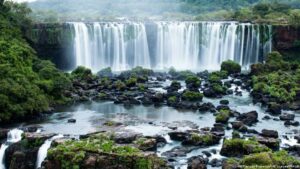
The questioned resolution and the limits of “microevents”
The suspended regulation, promoted by the National Parks Administration, allowed private “microevents” with up to 60 people in the Falls Area.
However, environmental organizations warned that these activities lacked a formal Environmental Impact Assessment. They also pointed out the absence of citizen participation mechanisms.
Therefore, the court considered that there was a potential risk to the ecosystem. In this regard, it applied the preventive principle in the face of the possibility of irreversible damage.
Judicial grounds and the role of the Escazú Agreement
In their resolution, the judges emphasized that the presumption of legality of administrative acts cannot prevail over possible environmental impacts. This interpretation strengthens the precautionary approach.
At the same time, the ruling highlights the importance of the Escazú Agreement, which obliges to guarantee access to information and participation in environmental decisions.
Additionally, it was questioned that the controls were exclusively in the hands of the agency that promoted the measure. Consequently, the need for independent judicial oversight was reaffirmed.
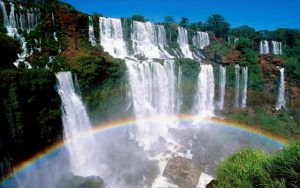
Why events are not recommended in protected areas
The main objective of protected areas is to conserve biodiversity and ecological processes. In this context, massive or private activities can alter the natural balance.
For example, intensive human presence generates noise pollution, waste, and disturbance of species. It can also affect reproductive behaviors and feeding patterns of wildlife.
Furthermore, the temporary infrastructure associated with events implies direct intervention on the territory. Therefore, even small-scale activities can have significant cumulative effects.
Background and tensions in the management of natural spaces
The Iguazú case is not isolated. In different regions, similar proposals have generated controversies for prioritizing tourist or commercial uses over conservation.
In Argentina, previous debates on concessions and activities in national parks had already exposed tensions between economic development and environmental protection.
Consequently, these precedents reinforce the need for strict regulations. They also highlight the importance of citizen participation in decision-making.
A precedent for the defense of natural heritage
The judicial decision sets a relevant precedent for the management of protected areas. It reinforces the idea that in case of doubt, environmental protection should prevail.
At the same time, it highlights the role of civil organizations in the defense of ecosystems. Their intervention allowed for the review of a potentially risky regulation.
Ultimately, the case reaffirms that spaces like the Iguazú National Park require strict conservation policies, where the priority is to preserve its ecological value for future generations.



