



The Administrative Decision 20/2026, signed by Chief of Staff Manuel Adorni and Minister of Economy Luis Caputo, ordered a cut of $2,557,311,667 in conservation programs and administration of the National Parks Administration (APN).
The adjustment directly affects 46 parks, reserves, and natural monuments across the country, compromising essential resources for patrols, maintenance, fuel, ecotourism infrastructure, and fire prevention works.
Most Affected Areas
Among the parks with the largest reductions are:
- Nahuel Huapi: $190,822,240.
- Lanín: $156,945,103.
- Los Glaciares: $77,422,510.
- Los Alerces: $70,291,525.
- Iguazú: $41,715,920.
- Tierra del Fuego: $37,511,166.
In Patagonia, in addition to Nahuel Huapi and Lanín, Laguna Blanca, Los Arrayanes, Lago Puelo, Monte León, Perito Moreno, Islote Lobos, and marine areas such as Patagonia Austral, Makenke, and Isla Pingüino are included.
The cuts in the northern Argentina reach Calilegua, Baritú, El Rey, Los Cardones, Río Pilcomayo, El Impenetrable, Copo, and Aconquija. In the center of the country, Quebrada del Condorito, Ansenuza, Traslasierra, Talampaya, and Sierra de las Quijadas are affected.
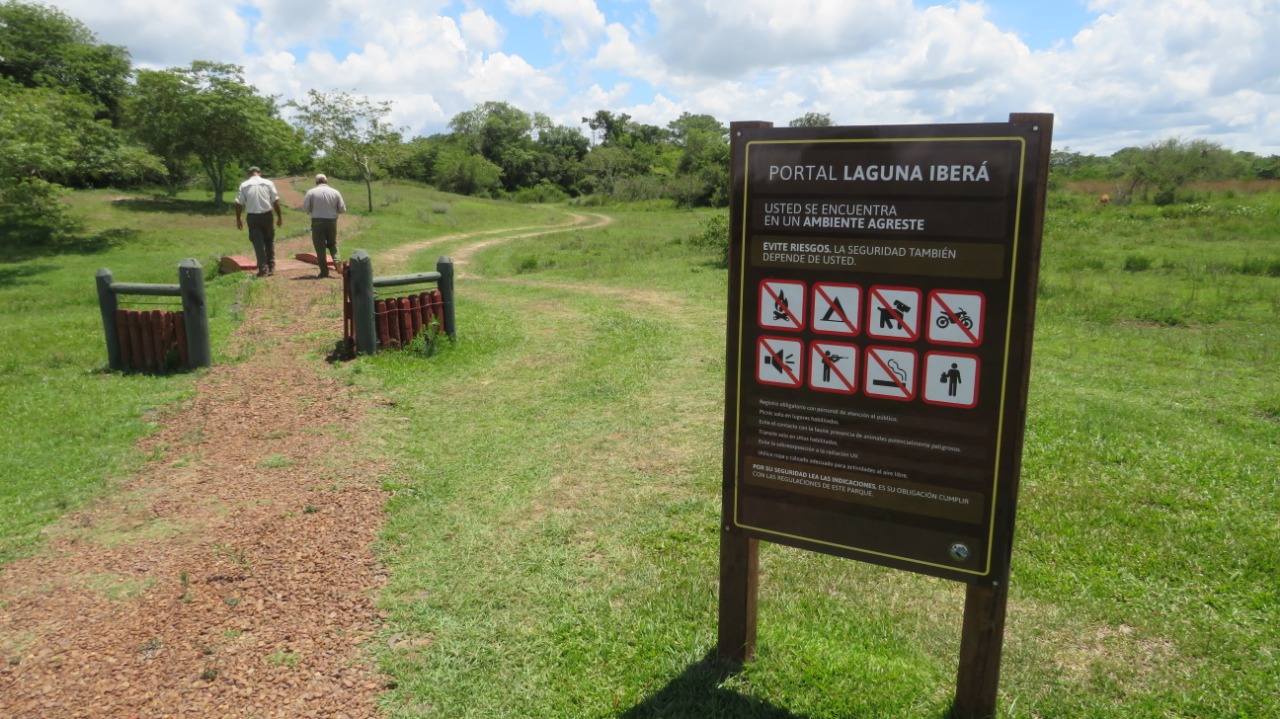
The province of Buenos Aires records adjustments in Campos del Tuyú and Ciervo de los Pantanos, while in the Litoral region, Iberá, Mburucuyá, El Palmar, Pre-Delta, and Islas de Santa Fe are included.
Environmental and Touristic Impact
The cut compromises environmental protection projects, visitor services, and forest fire prevention works. Investment in national parks is key for:
- Regional economic engine: generating over 650 million dollars annually in local economies.
- Biodiversity conservation: protecting watersheds and endangered species.
- Sustainable tourism: attracting national and international visitors.
- Ecosystem services: regulating climate, controlling pests, and providing drinking water.
The government’s decision is to promote a new management approach with deregulation to attract private investment, simplify procedures, and improve the visitor experience. However, the reduction in allocations raises concerns about the ability to maintain infrastructure and ensure conservation.
Strategic Importance
The national parks system covers almost 7% of Argentine territory and represents a natural and cultural heritage of incalculable value. The projected investment for 2026 was 50 million dollars, aimed at modernizing infrastructure and boosting sustainable tourism. The reduction of funds threatens to halt conservation projects and limit regional economic development.
The cuts in National Parks directly affect 46 protected areas that perform essential functions for biodiversity, tourism, and the regional economy. The tension between fiscal adjustment and environmental conservation opens a debate on the future of natural spaces in Argentina and the need to ensure their protection as part of the country’s ecological sovereignty.


