



From surgical gloves to water bottles, shopping bags, and chewing gum, plastic is present in every aspect of daily life. Its durability makes it a convenient and versatile material, but also a persistent pollutant that chokes the environment.
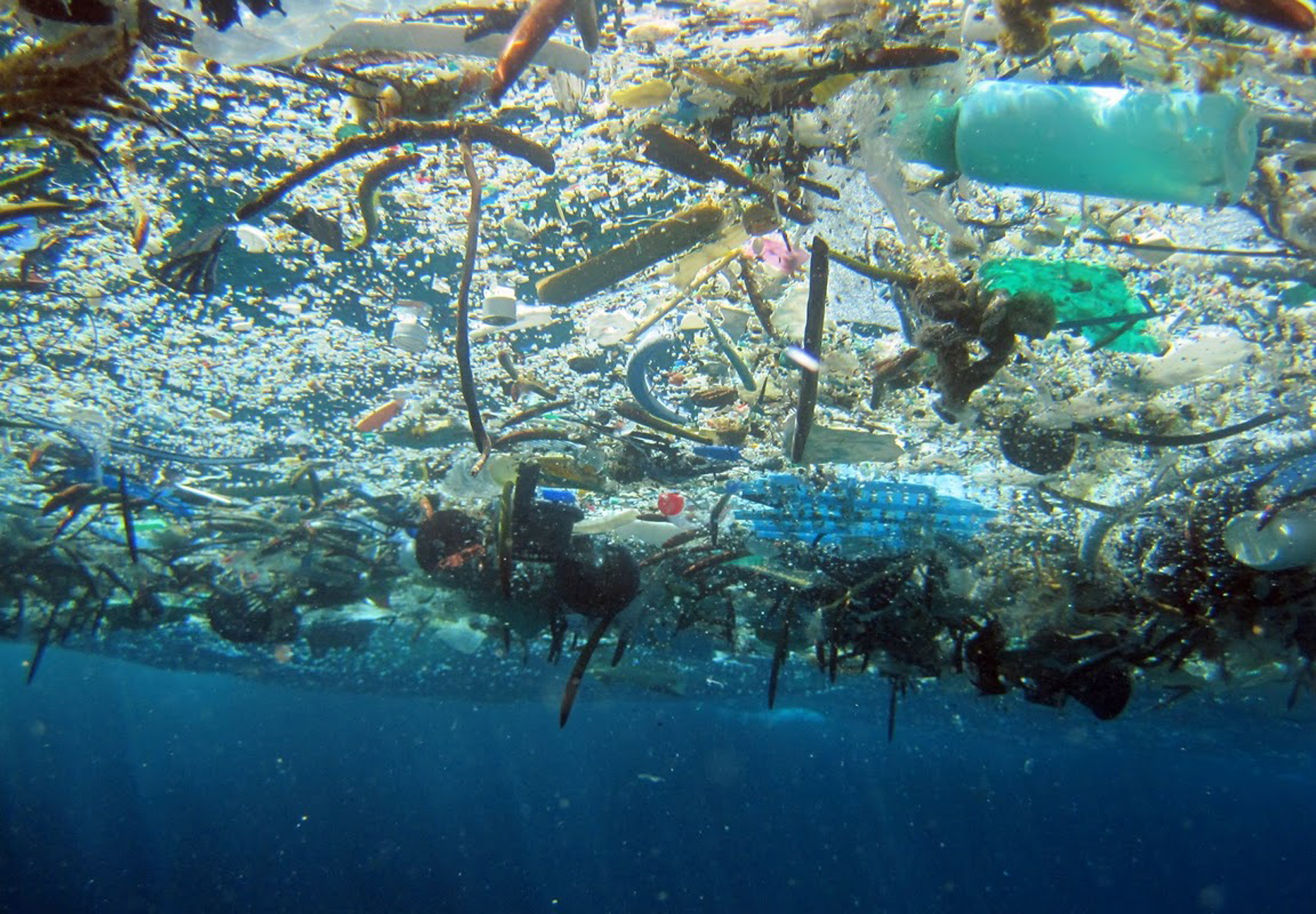
Once released into the sea, large plastics damage fragile habitats like coral reefs and directly affect wildlife. Over time, they fragment into toxic microplastics, which poison the food chain and remain in the ecosystem even after physically disintegrating.
Impact on Marine Biodiversity
The World Ocean Assessment reveals that more than 4000 marine species are affected by plastics.
According to Ian Butler, editor of the report, “it’s about their feeding, metabolism, immune function, growth, and reproduction. It weakens and kills them, and alters populations.”
Plastics alter the entire marine system: from fish and crustaceans to marine mammals, weakening the resilience of ecosystems and reducing the food security of coastal communities.
Magnitude of the Problem
- It is estimated that plastic waste emissions reach 52.1 million metric tons per year.
- Visible macro and microplastics represent just 3-4% of the oceanic total; the rest remains dispersed, submerged, or fragmented.
- 24.4 trillion microplastic particles have been detected in global surface waters.
- Nanoplastics, even less visible, cross cell membranes and pose unknown long-term risks.
Regional Patterns
- In the Global North, littering is the main source of pollution.
- In the Global South, uncollected waste predominates.
These “leaks” are what cause so much damage to the ocean. As Butler noted: “What our eyes see is the tip of the iceberg”.
Ecological and Economic Consequences
Plastic pollution reduces the resilience of ecosystems and directly affects ocean-dependent sectors:
- Tourism: million-dollar losses due to reduced income and cleaning costs.
- Fishing: decreased catches and evidence of plastic ingestion in 386 marine fish species.
- Maritime transport: higher operational costs and safety risks.
Small-scale fisheries are especially vulnerable, exacerbating inequality in coastal communities.
Solutions and Alternatives
The World Ocean Assessment proposes key measures:
- Reduce production and dependence on single-use plastics.
- Promote reuse and redesign products.
- Innovate in recycling, although it should not be considered the complete solution.
- Develop sustainable alternatives and less harmful formulas.
Butler emphasized: “Changing the plastic formula helps, but changing our dependence on disposable plastics matters more for the ocean.”
An International Challenge
The Intergovernmental Negotiating Committee on Plastic Pollution, led by the UNEP, seeks to create a legally binding international treaty. However, after six years of negotiations, the 193 UN member states have yet to reach an agreement.
Economic differences between plastic-producing and consuming countries hinder consensus, but a global treaty is considered the most effective method to curb the crisis.
Plastic pollution is a silent threat that compromises biodiversity, the economy, and human health.
The solution does not lie solely in beach cleanups or recycling, but in a structural change in plastic production and consumption and a binding international agreement that ensures the protection of the oceans.



