



The World Meteorological Organization warns that the current year could set a new heat record, ranking among the three warmest in 176 years of records, driven by unprecedented levels of greenhouse gases and an accelerated deterioration of the cryosphere.
The trend of global warming shows no respite, and the current year is poised to consolidate alarming statistics. According to the latest bulletin from the World Meteorological Organization (WMO), there is a high probability that 2025 will end up being the second or third year with the highest average temperature in the 176 years of available climate history.
This new heat record in 2025 is not an isolated event but part of a critical sequence: the eleven years between 2015 and 2025 have been the warmest ever documented, with the last three occupying the top of the ranking.
Preliminary data indicate that between January and August of 2025, the global surface temperature average reached 1.42°C. This figure is approximately 0.12°C above the average corresponding to the pre-industrial era.
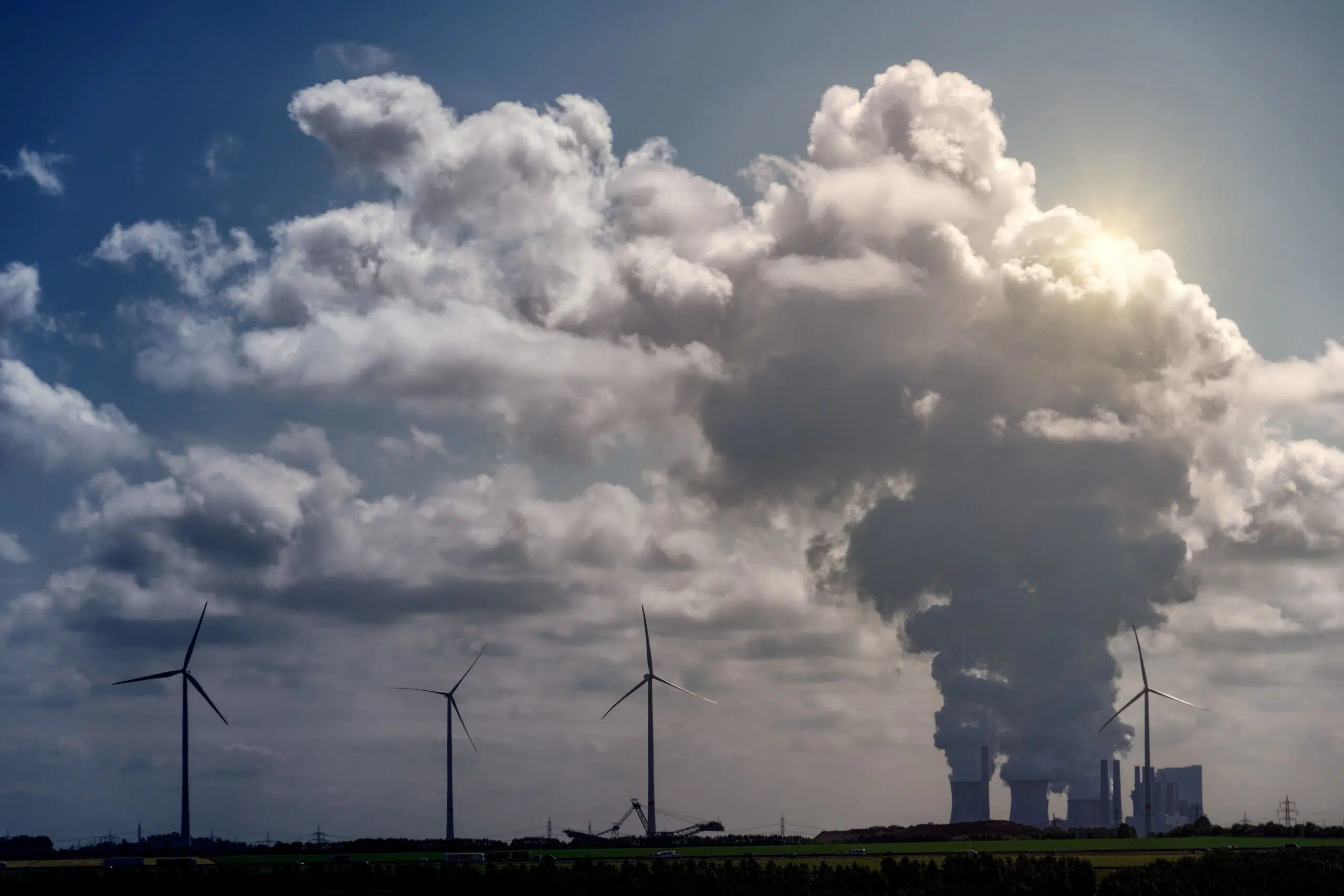
Greenhouse gases and oceans under pressure
The WMO report confirms that the drivers of this warming continue to operate at full capacity. Atmospheric concentrations of methane, nitrous oxide, and carbon dioxide (CO₂) — the latter with a 53% increase — marked modern historical highs in 2024, and initial measurements for 2025 show they continue to rise.
The impact on the oceans is direct, as they absorb more than 90% of the excess energy generated by these gases. As a result, the marine heat content has surpassed the records of 2024, causing ocean heatwaves, water deoxygenation, and severe ecological alterations.
Ice melt and sea level rise with the new heat record
The planet’s physical indicators reflect this thermal excess. The extent of sea ice in the Arctic during the winter was the lowest since satellite records began, while Antarctica experienced extreme values of minimum and maximum extent. Simultaneously, global glaciers suffered mass loss for the third consecutive year.
This melting, coupled with the thermal expansion of water, has accelerated the rise of the average sea level. The rate has nearly doubled, from 2.1 mm annually in the 1990s to 4.1 mm per year in the last decade.
Impacts of the new heat record and the COP30 summit
The WMO highlights that the year has been marked by devastating weather events: from tropical cyclones with high human and economic impact to deadly heatwaves, severe wildfires in North America and Europe, and severe floods in Asia and Africa.
Celeste Saulo, Secretary-General of the WMO, warned that this streak of new heat records, combined with emissions, makes it “practically impossible” to limit warming to 1.5°C by the end of the century without temporarily exceeding that threshold. This bulletin will be a key document in the negotiations of the upcoming COP30 in Belém, Brazil.
António Guterres, Secretary-General of the UN, reinforced the message by stating that each year above the climate limit results in irreversible damage and blows to the economy and global equality.
Advances in early warnings
Despite the severity of the scenario, the report notes improvements in adaptation. The coverage of early warning systems grew from 56 countries in 2015 to 119 in 2024. However, 40% of nations still lack these vital tools.
Additionally, nearly two-thirds of national meteorological services now offer specialized climate services, compared to only 35% five years ago, with the goal of exceeding 90% coverage by 2027. The UN agency’s conclusion is clear: although the 1.5°C threshold has not been definitively lost, immediate action is an urgent necessity given the risk that 2025 poses to global objectives.


