



The first Green Status of Species for the tiger by the IUCN reveals a critical panorama: after a century of decline, the largest feline species on the planet is “severely depleted.” However, the study also confirms that conservation efforts have prevented even greater losses and open a green path of hope towards its recovery.
The report, prepared by the Wildlife Conservation Society together with WWF, Panthera, and the IUCN Cat Specialist Group, is the most comprehensive assessment to date on the tiger’s recovery potential. Its approach not only measures the risk of extinction but also how much progress has been made—or could be made—towards its full ecological restoration.
Currently, tigers have disappeared in nine of the 24 regions analyzed and face severe threats in all others. Although listed as “Endangered” on the IUCN Red List, in more than half of their remaining habitats, their status is “Critically Endangered” at a regional level. The loss of prey, poaching, and habitat fragmentation worsen the situation.
Nevertheless, conservation has prevented a total catastrophe. For the first time in over a century, tiger populations show signs of increase. The sustained protection of their habitats has prevented total disappearance in several key regions, demonstrating that human intervention can be a driver of recovery, not just destruction.
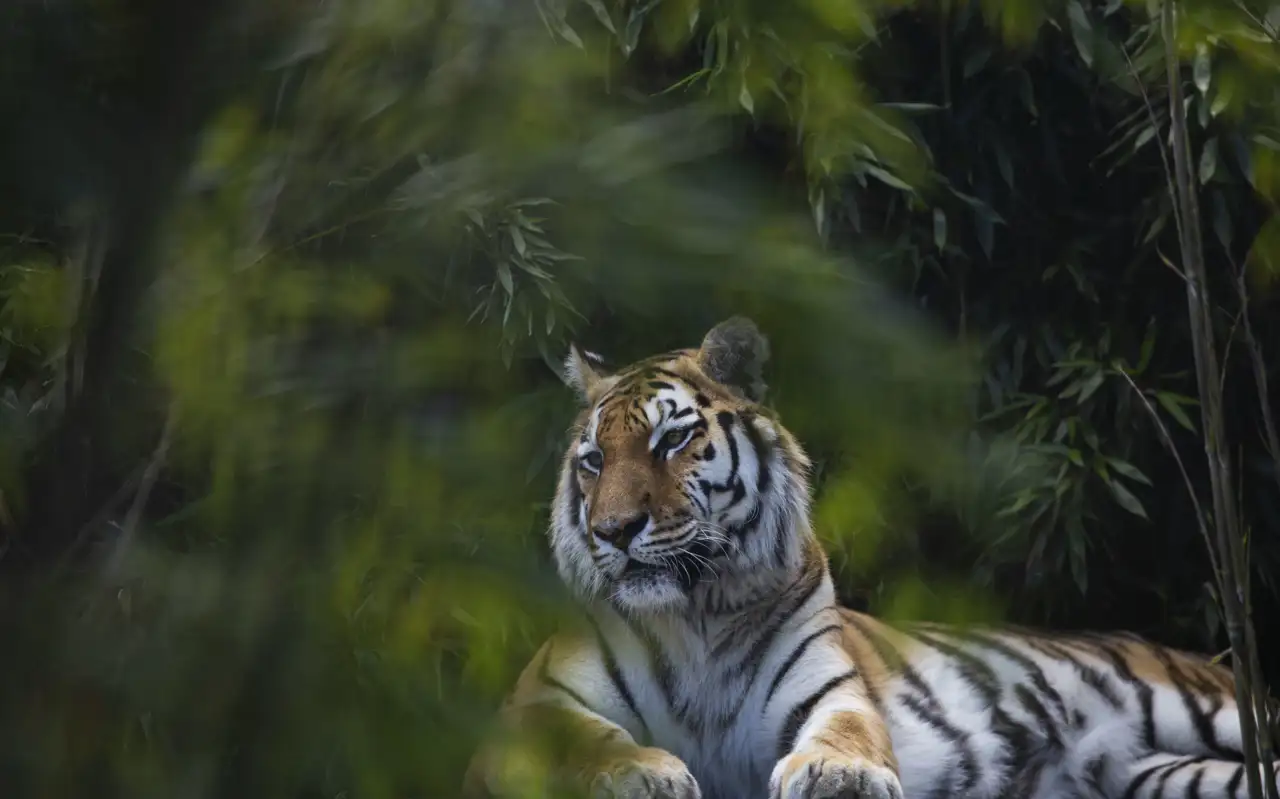 Conservation efforts for the species represent a green hope for species preservation.
Threats Looming over the Tiger
Tigers face a lethal combination of factors. Deforestation and agricultural expansion reduce their territory, isolating populations and limiting their natural prey. This is compounded by illegal hunting, driven by the black market for skins, bones, and organs used in traditional medicine or as status symbols.
Climate change also exacerbates their vulnerability, altering rainfall patterns and water sources in their habitats. Floods and forest fires destroy hunting grounds, forcing tigers to approach human communities where conflicts are increasingly common.
Furthermore, the fragmentation of ecological corridors prevents populations from mixing, reducing genetic diversity. Without connectivity between protected areas, species become trapped in “ecological islands” compromising their long-term survival.
A Possible but Fragile Recovery
Despite the grim outlook, the report’s results are encouraging. Regions like the Western Forest Complex of Thailand or the Land of the Leopard National Park in Russia demonstrate that targeted conservation can reverse decades of decline. With coordinated strategies, tigers could double their numbers in the next 20 years.
The long-term recovery potential is rated as “medium,” indicating that with sustained investment and political will, the species could reach ecologically viable levels in a century. This would involve restoring their role as a top predator, regulating herbivore populations, and maintaining the ecosystem balance.
However, without continuity in conservation programs, the risk of extinction would rise again. The IUCN warns that tigers could disappear from up to eight additional regions if current measures cease. Government and community commitment will be crucial to prevent this.
 Conservation efforts for the species represent a green hope for species preservation. Photo: Big Cat Tiger.
Beyond Extinction: Towards a Green Future
The new approach of the Green Status of Species proposes looking beyond mere survival. It seeks to measure how species can progress towards full recovery, demonstrating that conservation not only prevents loss but can also restore life and ecological functionality of habitats.
In this sense, the tiger becomes a symbol of resilience and warning. Its fate summarizes human impact on nature and the collective ability to reverse it. If current efforts are maintained, Asian forests could once again hear their roar, reminding us that environmental recovery is possible when science, political will, and communities work together.
The challenge is clear: protecting the tiger is protecting the balance of ecosystems that also sustain human life.


