



On June 17th, it’s the World Day to Combat Desertification and Drought. In this context, the Wildlife Foundation Argentina made a call for the conservation of grasslands and natural savannas.
These are terrestrial ecosystems dominated by herbaceous vegetation, mainly grasses.
Their role in the global ecological balance is fundamental. They cover about 54% of the Earth’s surface and host 33% of the planet’s critical biodiversity hotspots.
However, only 8% of these areas are currently protected, and around 40% has already been transformed by human action.
Combatting Desertification and Drought: The Role of Grasslands and Natural Savannas
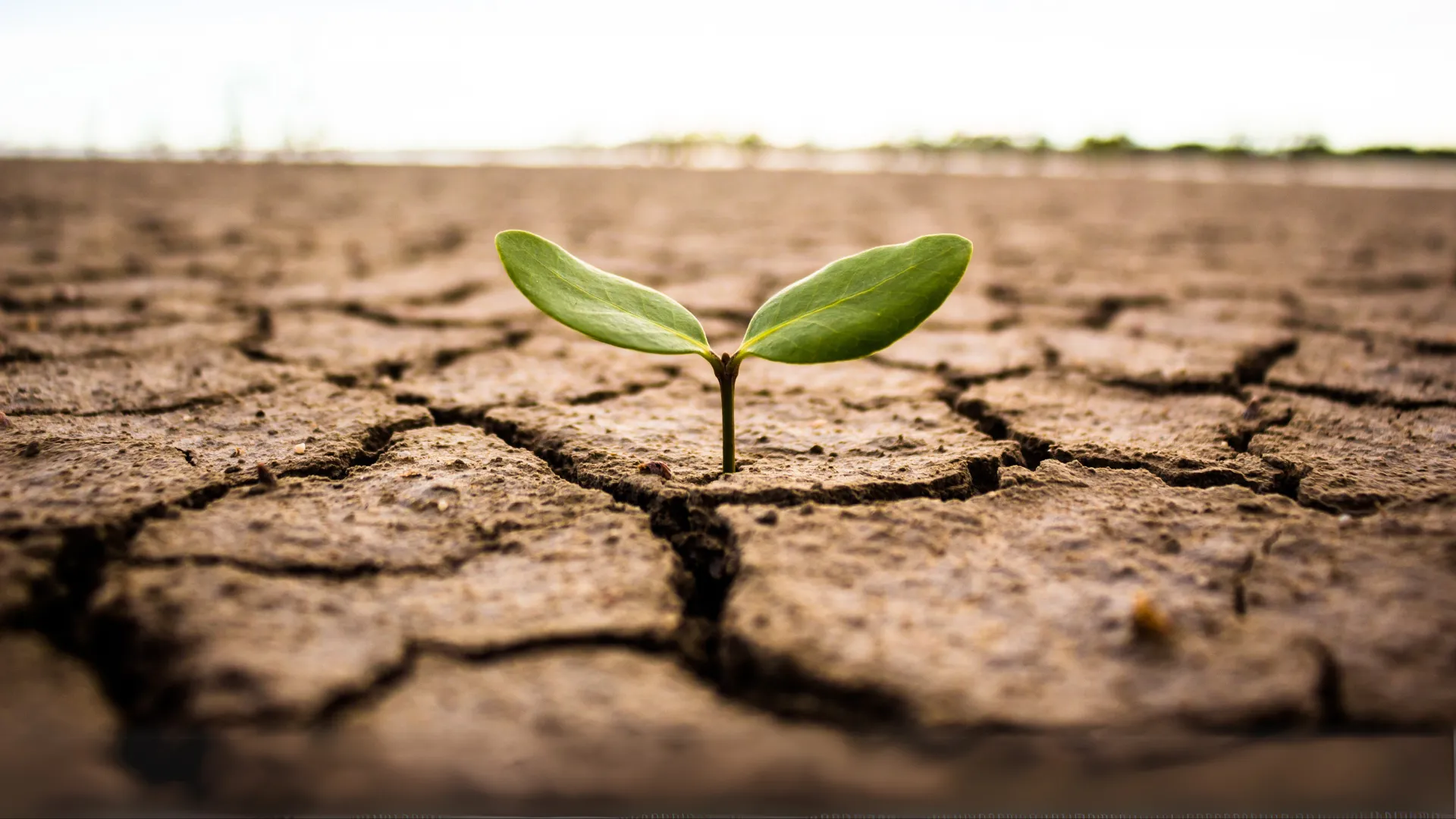 Ecosystems to combat drought.
These environments are not only the habitat of multiple native species – many of them endemic or endangered – but they also provide valuable ecosystem services.
For example, they store carbon, regulate the water cycle, prevent floods, purify the air, prevent desertification, and are key in food security through responsible production practices.
Additionally, grasslands and natural savannas strengthen ecological connectivity between regions, support rural livelihoods, preserve cultural identity, and promote recreational, educational, and tourism activities.
Threats and Consequences of Degradation
These ecosystems evolved over millennia, adapting to climate fluctuations, such as extreme droughts.
However, when they are overexploited, especially in contexts of low precipitation, or their vegetation cover is replaced by intensive crops, their recovery capacity is drastically reduced.
This accelerates degradation processes that can lead to desertification, even in previously considered humid areas.
Grasslands and Savannas in Argentina: a Natural Heritage under Threat
Argentina harbors vast extensions of grasslands and savannas. These spaces are home to emblematic species such as the Pampas deer (Ozotoceros bezoarticus), the greater rhea (Rhea americana), the yellow cardinal (Gubernatrix cristata), and the mountain lion (Puma concolor).
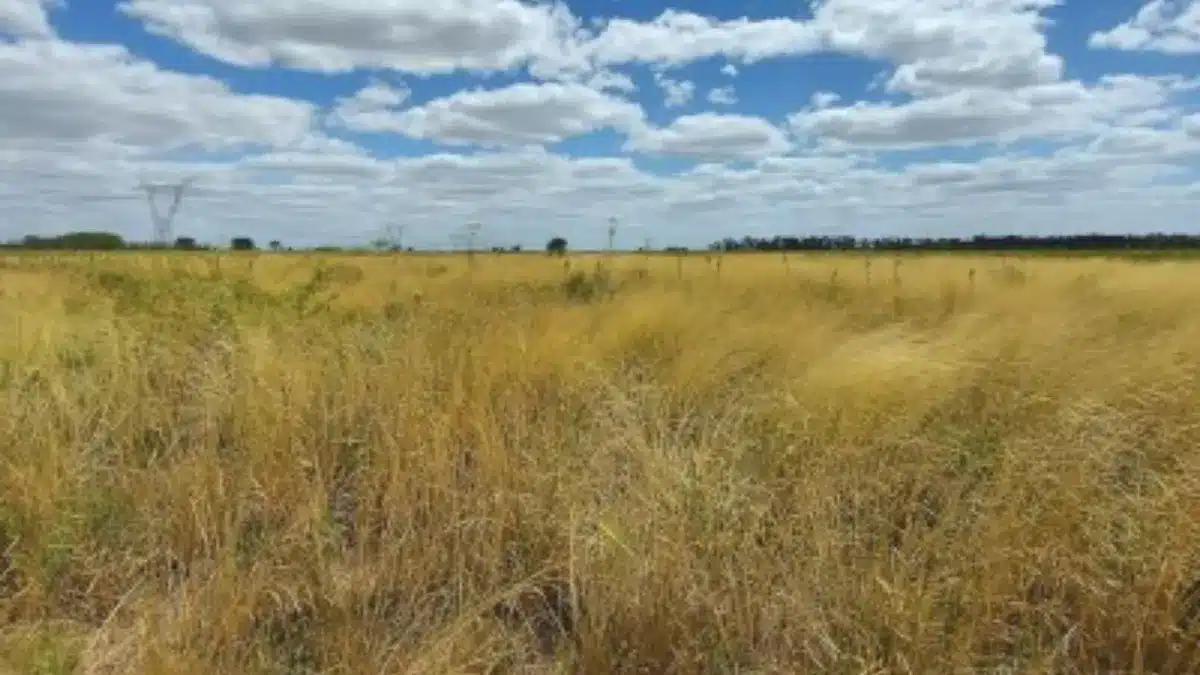 Grasslands and savannas in Argentina.
However, like in the rest of the world, these environments are facing increasing pressure. Mainly due to the advance of agricultural and livestock frontiers, overgrazing, and the effects of climate change.
Between 2000 and 2019, the country lost over 3 million hectares of natural grasslands, with the Pampean ecoregion being the most affected.
The transformation of land use, mainly driven by unsustainable agricultural practices and urban expansion, has deeply altered these ecosystems. Therefore, their biodiversity is threatened, and the environmental services they provide are limited.
“The state of our grasslands and savannas has a direct impact on our ability to adapt to the climate crisis,” emphasizes Sebastián Fermani, Conservation Director at Wildlife Foundation Argentina.
“These ecosystems, historically undervalued, are natural allies in water regulation and in preventing desertification,” he highlighted. “Protecting and restoring them is key for the well-being of communities and the biodiversity that inhabits them,” he added.
Main Argentine Eco-regions with Grasslands and Savannas
- The Pampas region
Represents 60% of the country’s grasslands and covers 15% of the Argentine continental territory.
Despite its biological richness, with over 100 terrestrial mammal species, around 80% of these grasslands have been transformed by agriculture and livestock. Only 2.6% are protected.
- Fields and Grasslands
Also known as the Mesopotamian Savanna, this region consists of undulating plains covered by grasslands that combine species from the Gran Chaco and the Atlantic Forest.
Over 20% has already been transformed, and only 1% is protected. It is home to endangered species such as the maned wolf and the yellow cardinal.
- Espinal
The Espinal, also known as the “wooded pampas”, combines grasslands and forests and has been widely modified by agricultural and urban expansion. Nearly 50% has been transformed, and only 1.6% is under protection.
- Humid Chaco
This sector of the Humid Chaco stands out for its abundance of wetlands and watercourses. It has a unique biodiversity of reptiles, birds, and mammals, different from the dry Chaco. 15% of this ecoregion has already been converted, and only 1% is protected.
A Strategy for the Future: Production and Conservation
<img class="size-full wp-image-77672" src="https://storage.googleapis.com/media-cloud-na/202



