



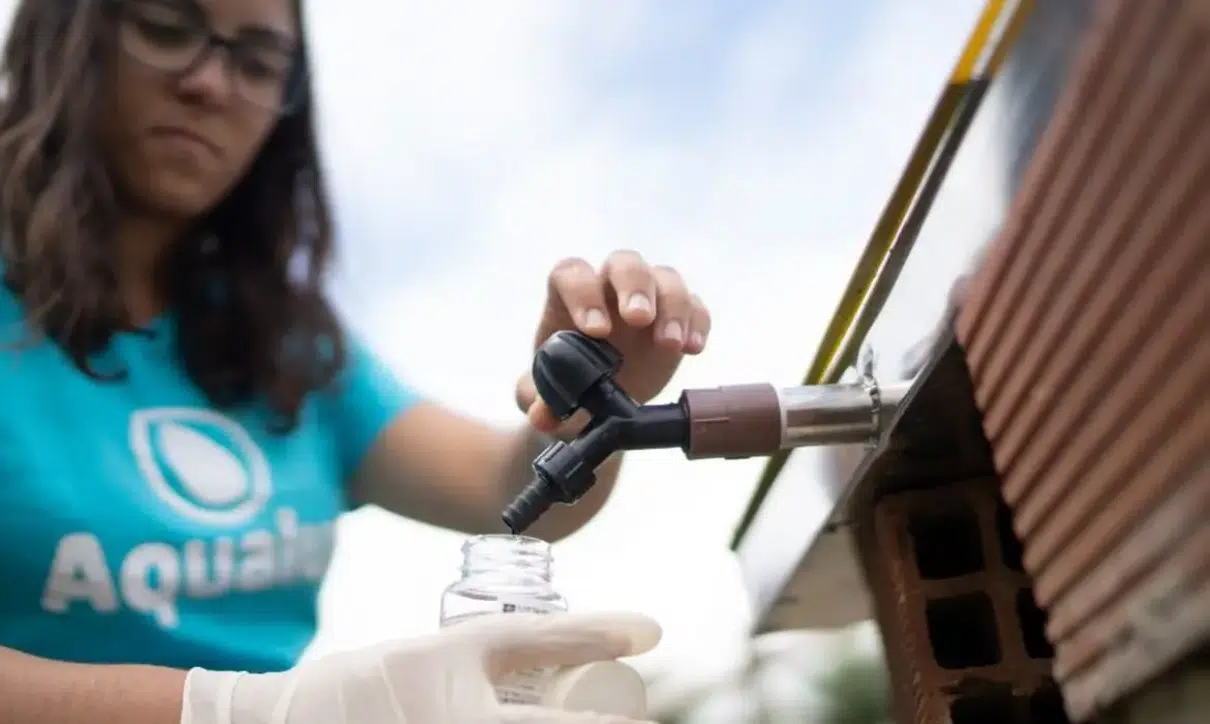
At just 15 years old, Anna Luísa Beserra Santos conceived Aqualuz, a system that harnesses solar radiation to eliminate microorganisms from rainwater without the need for chemicals or complex filters.
Motivated by the lack of access to drinking water for millions of people in Brazil, the young scientist decided to create a solution that is easy to use and replicate, allowing communities to take control of their own water purification.
Impact and Sustainability
The device is affordable, sustainable, and designed to last up to 20 years, offering a lasting impact compared to temporary solutions. Currently, Aqualuz is active in rural areas of Brazil, benefiting more than 10,000 people and reaching 40,000 in 2024.
Anna Luísa emphasizes that scientific research is key, but it does not replace direct experience with communities:
“Meeting families facing water scarcity changed my approach to solutions. Nothing replaces learning directly from the people you are trying to help.”
Her approach includes training local technicians, who lead the implementation and supervision of the systems, turning each project into a shared effort.
Complementary Innovations
Beyond Aqualuz, Beserra has developed other solutions:
- Aquasalina: desalinates water using solar light.
- Aquafilter: filtration system for communities of up to 100 people.
- Aquatorre: adapted for schools and areas without water infrastructure.
Her goal is to expand these technologies to Latin America, Africa, and Asia, offering sustainable access to drinking water and strengthening education and autonomy of local communities.
Drinking Water in Brazil: A Structural Challenge
Although Brazil holds 12% of the world’s freshwater reserves, millions of people lack adequate access. The importance of drinking water in the country is reflected in:
- Health and quality of life: prevents diseases like diarrhea, hepatitis A, and leptospirosis.
- Economic engine: essential for agriculture and agribusiness, which represent 8.4% of GDP, and for the energy matrix, with 62% of electricity generated by hydroelectric plants.
- Disparities in access: 32 million Brazilians without drinking water and 90 million without sewage systems.
- Environmental challenges: pollution and inadequate management of water resources, exacerbated by climate change.
- Recommendations for tourists: consume bottled or filtered water outside major cities.
The story of Anna Luísa Beserra and Aqualuz demonstrates how youth innovation can transform social and environmental realities. Her work not only offers technical solutions but also promotes community autonomy and environmental education.
In a country with abundant water resources but deep inequalities, initiatives like these are essential to ensure universal access to drinking water and move towards a more sustainable future.



