



A team from the CONICET and the UBA, at the Institute of Physics of Buenos Aires (IFIBA), has created an innovative material capable of removing arsenic, pathogens, and other contaminants from water.
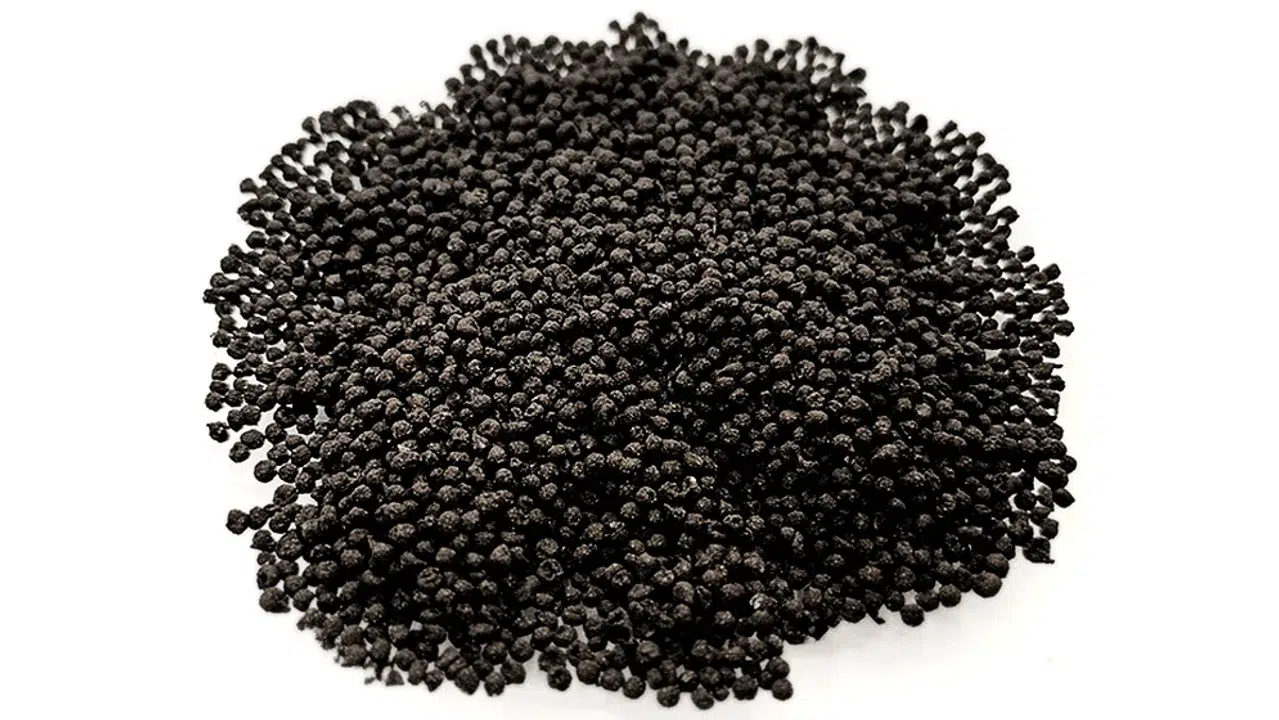
The product is based on activated carbon modified with metal salts and an edible polymer, making it a versatile alternative for domestic and industrial filtration systems.
The proposal aims to solve a critical problem in Argentina and many countries: the presence of arsenic in groundwater, which affects millions of people. Furthermore, the material could be applied in purifying pitchers, countertop filters, community tanks, and storage systems, without the need for electricity.
Technical Advantages
The project leader, Silvia Goyanes, explained that the material can replace conventional activated carbon in commercial cartridges. The incorporation of magnetic properties even allows for the integration of detection systems to indicate when the filter is exhausted.
Meanwhile, Alicia Vergara, a CONICET researcher, highlighted that the modifications are made through low-cost processes and without the need for high temperatures, facilitating its production on an industrial scale.
Laboratory Tests
The product was evaluated in the Polymers and Composite Materials Laboratory of IFIBA, following the standards of ANMAT. The tests were conducted with water contaminated with 100 parts per billion (ppb) of arsenic, successfully reducing the concentration to less than 10 ppb, the recommended limit.
In performance tests, the material treated at least 8,000 liters of water, with a flow rate of 500 ml per minute. Researchers note that this time could be optimized with improvements in cartridge design.
Beyond Arsenic
Although initial studies focused on arsenic, the team hopes the material will be effective against bacteria, viruses, and fungi, thanks to its active components.
It also showed positive results in removing herbicides (such as paraquat), pesticides (such as atrazine), antibiotics (such as tetracycline), and industrial dyes.
Costs and Reuse
Postdoctoral fellow Carlos Rodríguez Ramírez noted that the product’s lifespan depends on the level of water contamination, but its performance is comparable to higher-cost filters available in the Argentine market. Moreover, even when manufactured with retail supplies, its price would be much lower than current commercial filters.
Another advantage is its reuse: through a simple procedure, the contaminant can be desorbed, and the material reused, reducing costs and waste.
Next Steps
The team is currently seeking a company interested in commercializing the development, convinced that it can generate a positive social impact while offering profitability to those who invest in its production.
This advancement by CONICET and UBA represents a concrete solution to the crisis of access to safe water. With an accessible, efficient, and reusable material, the possibility opens up to improve the quality of life for vulnerable communities and to offer sustainable alternatives for water treatment in Argentina and beyond.



