



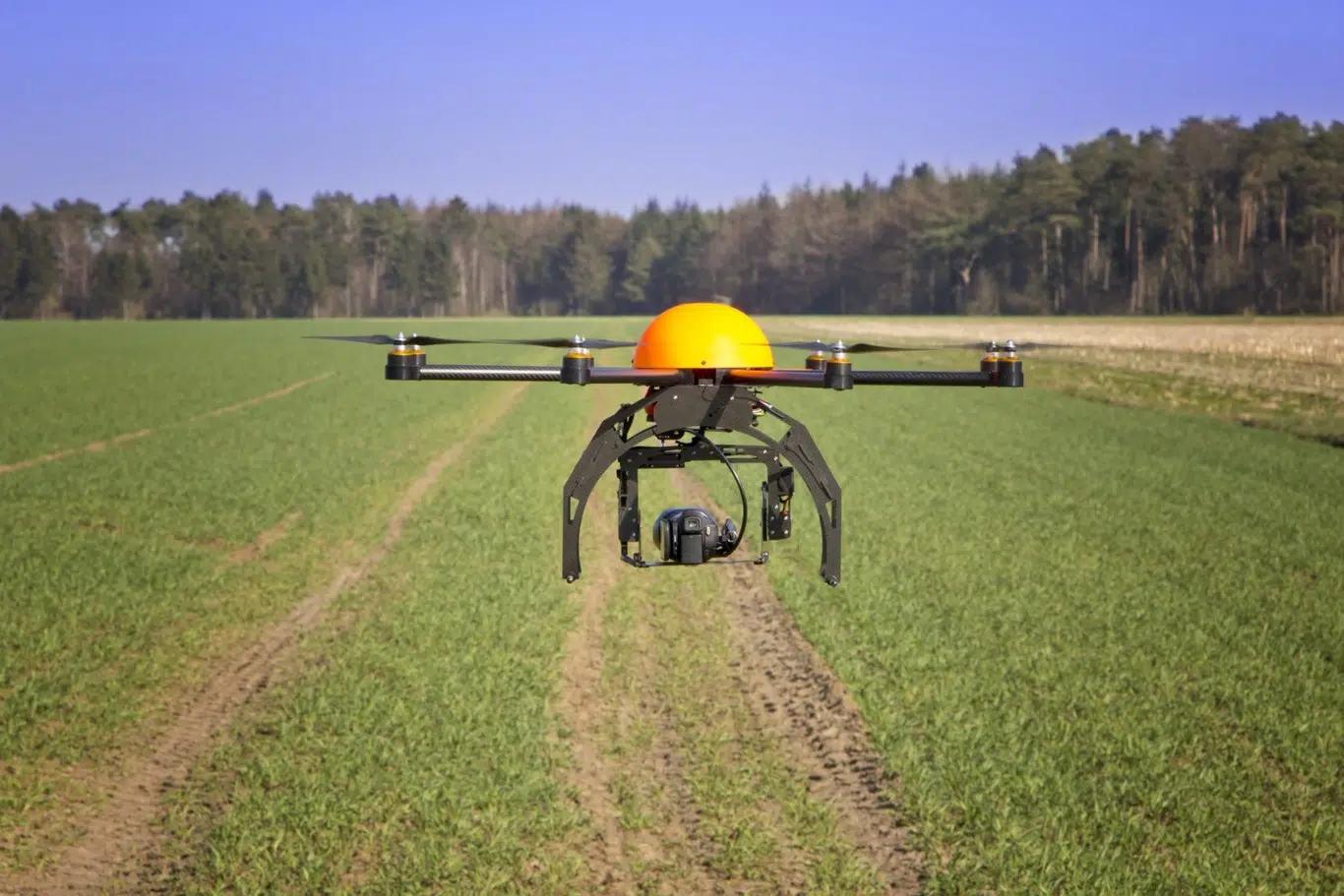
A pioneering project in Argentina is using high-precision drones and artificial intelligence to reforest degraded areas of the Gran Chaco, the second-largest forested ecoregion in South America.
The initiative, driven by The Nature Conservancy Argentina along with the startup ReForest Latam, aims to restore 13 hectares through the aerial dispersion of biodegradable capsules called iSeeds, which contain seeds of native species adapted to the local climate.
The goal is to plant 100,000 native trees to recover vital ecosystem functions and accelerate natural regeneration processes interrupted by deforestation.
Selected Species
Among the chosen varieties are:
- White carob.
- Red quebracho.
- Guayacán.
- Drunken tree.
These species play an essential role in ecological balance, providing shade, food, and habitat for wildlife, as well as improving soil quality and water regulation.
Advantages of Aerial Seeding
The use of drones allows for intervention over large areas in less time and at lower costs than manual planting. Each iSeed capsule protects the seed and provides nutrients to ensure its initial germination. Flights are monitored with artificial intelligence to guarantee optimal distribution according to soil characteristics.
According to experts, a single drone can cover 13 hectares per day, making this technique a scalable and efficient tool for environmental restoration projects.
Environmental and Social Impact
The reforestation of the Gran Chaco is crucial for:
- Water and soil regulation: native forests act as natural sponges, capable of absorbing up to 300 mm of rain per hour, reducing floods and preventing erosion.
- Biodiversity protection: the Chaco is home to endangered species such as the jaguar and the taruca.
- Community sustainability: local producers provide plots to test the methodology, integrating conservation with agricultural and livestock production.
- Combating climate change: forests sequester carbon and help reverse deforestation.
The project includes checks every 45 days to assess seedling growth and adjust planting strategies. This constant monitoring ensures that restoration is effective and that the new forests fulfill their ecological function.
An Alliance Between Science and Technology
The scientific community highlighted that these “seed rains” represent the future of ecological restoration in South America. By automating planting, an unprecedented scalability is achieved for conservation projects.
Argentina thus positions itself at the regional forefront in the use of agrotechnology for ecological purposes, combining technological innovation with the wisdom of the land.
The reforestation of the Gran Chaco using drones sets a historic precedent in the country’s environmental management. This model demonstrates that collaboration between producers, environmental organizations, and advanced technology can transform the landscape, protect biodiversity, and ensure a more sustainable future for local communities.



