



A new approach in architecture could radically transform the way cities are built. It’s no longer just about concrete, steel, and bricks: now live fungi and bacteria capable of regenerating damaged materials are also included. This technology not only seeks more resilient buildings, but also a sustainable construction.
Inspired by Roman concrete, which used volcanic ash for durability, current bioarchitecture explores similar solutions, but with the help of microorganisms. The goal is to reduce emissions, avoid waste, and decrease structural maintenance.
One of the most outstanding advances is self-healing concrete, developed in Netherlands. Thanks to integrated bacterial spores in its mix, this material can self-seal cracks that appear over time, regenerating the structure as a living organism would.
These smart materials have already shown they can close fissures of up to five millimeters in just two weeks, extending the lifespan of bridges, roads, and buildings for decades, and significantly reducing their carbon footprint.

Microorganisms that build and clean the planet
Biotechnology is also applied to the development of materials that not only regenerate themselves but also collaborate with the environment. U.S. researchers have managed to create materials from fungi and bacteria capable of withstanding long exposures and adapting to the urban environment.
One of the goals of this research is to replace highly polluting conventional materials, such as traditional cement, responsible for 8% of global CO₂ emissions. The new solutions aim to integrate beneficial functions such as self-healing and contaminant removal.
Fungal mycelium and certain bacteria allow creating resistant, porous, and adaptable structures, while offering opportunities for bolder architectural designs. This bioconstruction promises to be key in the creation of resilient cities to climate change.
In England, researchers are developing concretes with calcifying bacteria, capable of forming mineral crystals to seal cracks invisible to the naked eye. This regenerative property marks a turning point in the way buildings are designed and preserved.
A self-repairing future
Although the initial costs of these biotechnological materials are higher, their long-term potential is immense. They reduce resource usage, minimize repairs, and improve the durability of constructions.
Moreover, the interest of organizations like NASA reveals that this technology may have applications even beyond Earth. The ability of living materials to self-repair without human intervention is ideal for hostile and distant environments.
The green revolution in architecture is already underway. With the help of bacteria and fungi, concrete becomes conscious, and our cities, little by little, learn to heal.
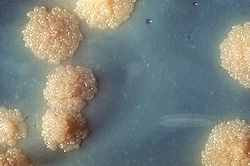 Bacteria. Photo: Wikipedia.
How to help the environment beyond materials?
While bioconstruction represents a key advance, there are many other ways in which each person can contribute to a healthier urban environment:
- Opt for sustainable materials:
From bamboo to certified wood or recycled bricks, choosing products with lower environmental impact significantly reduces the ecological footprint of any construction. - Reuse and restore buildings:
Instead of demolishing and building from scratch, rehabilitating existing structures saves energy and resources. Many cities already promote this type of circular urbanism. - Use clean energy at home:
Integrating solar panels, efficient heating systems, and low-consumption devices is an effective measure to reduce dependence on fossil fuels. - Promote urban vegetation:
Planting trees, installing green roofs, or simply having balconies with plants improves air quality and regulates temperature in urban environments. - Choose sustainable transportation:
Walking, using a bicycle, or public transportation helps reduce emissions. Also, planning housing near urban centers reduces the need for long commutes.



