



What daily ends up in the trash after each mate could become a key piece for the energy future. A team of Argentine researchers has developed an innovative method to reuse used yerba mate and transform it into activated carbon intended for the manufacture of supercapacitors, devices capable of storing and releasing energy quickly.
The initiative is led by chemical engineer Florencia Jerez, a CONICET researcher, along with specialists from the National University of the Center of the Province of Buenos Aires.
The project’s goal is to combine circular economy, waste reduction, and new energy technologies capable of improving the performance of batteries used in electronic devices and electric vehicles.
Moreover, the first tests conducted in the laboratory showed promising results: the supercapacitors made with yerba mate derivatives could extend the lifespan of conventional batteries by up to two years.
From a daily waste to a sustainable technology
In Argentina, more than one million tons of used yerba mate are generated annually, waste that in most cases ends up accumulated in landfills or sanitary landfills.
Faced with this scenario, the scientific team began to investigate which plant residues were abundant in the country and could have technological potential for energy storage.
Thus, yerba mate appeared, an element deeply linked to Argentine culture and which until now had not been used to produce activated carbons intended for energy systems.
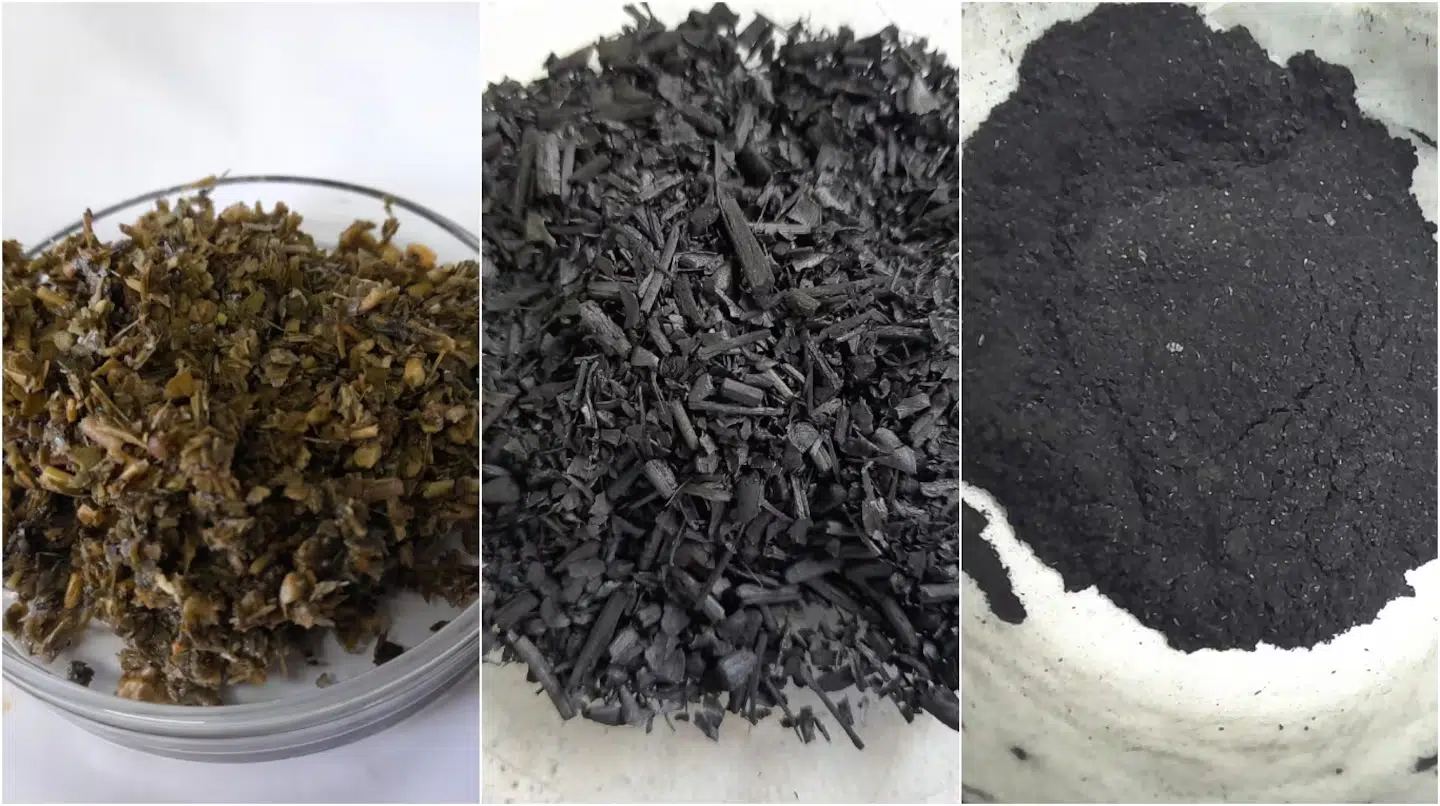
The procedure developed by the researchers includes the drying of yerba remains and their exposure to high temperatures, followed by various chemical and thermal treatments. As a result, a black powder known as activated carbon is obtained, a fundamental material for manufacturing high-performance supercapacitors.
How supercapacitors work and why they generate interest
Supercapacitors are devices capable of storing and releasing energy in extremely short times, an important feature for applications requiring immediate power.
For this reason, they are often used in the start-up of electric cars, electronic systems, and mechanisms for rapid energy recovery. Unlike traditional batteries, which deliver energy constantly and prolonged, supercapacitors act as complements that reduce the wear of main batteries.
Currently, a large part of the activated carbon used in this industry comes from burning wood, a practice associated with tree felling and higher environmental costs.
Consequently, the use of organic waste such as yerba mate would allow reducing the ecological impact and production costs through abundant materials and low commercial value.

Other ecological uses that used yerba mate can have
In addition to energy storage, used yerba mate has multiple environmental applications that have begun to gain interest in various scientific and community projects.
One of the most widespread uses is its incorporation into compost, as it provides organic matter and nutrients that enrich the soils of orchards and gardens. It can also be used as a natural fertilizer, ecological repellent for some domestic pests, and absorbent material to eliminate odors or moisture.
In parallel, some experimental developments are analyzing its potential to manufacture bioplastics, water filters, and absorbent materials intended for environmental decontamination processes.
Meanwhile, the Argentine team is seeking funding to advance towards an industrial pilot stage that would allow scaling up the project and transferring the technology to the national energy and technology sector.


