



Researchers from the University of Oulu (Finland) discovered that the moss Warnstorfia fluitans, in association with endophytic microbes, is capable of extracting and transforming heavy metals from contaminated water, offering a sustainable alternative in places where conventional methods are ineffective.
The finding, reported by National Geographic, opens new possibilities for addressing water pollution in cold, remote regions or areas with obsolete infrastructure.
A global problem: heavy metals in water
Pollution from lead, mercury, cadmium, and arsenic mainly comes from industrial and mining activities and the corrosion of old pipes. These substances, when infiltrating rivers, lakes, and aquifers, can cause neurological, renal and even cancer damage in humans.
In addition to metal pressure, other pollutants such as fertilizers, pesticides, agricultural waste, oil spills, and plastics complicate water management even further. Traditional purification systems often fail in cold climates or areas with deteriorated infrastructure, leaving many communities exposed.
The potential of Warnstorfia fluitans
This moss has captured the scientific community’s attention for its ability to thrive in acidic and metal-rich environments, conditions in which few plants survive. Researchers observed dense growths near the Pyhäsalmi mine, one of the deepest in Europe, which closed in 2022 and now functions as an underground research center and energy storage park.
The uniqueness of Warnstorfia fluitans lies in that it not only survives in waters loaded with dissolved metals but also flourishes in them, prompting a detailed study.
The key: endophytic microbes
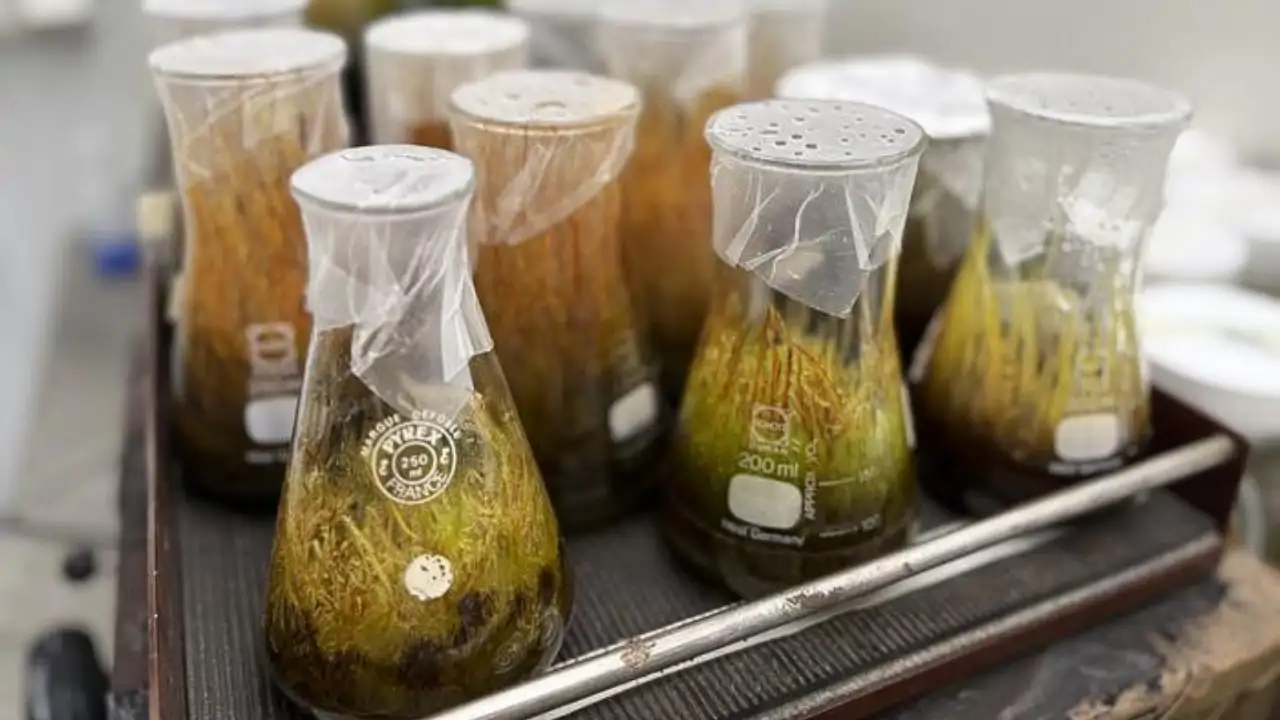
The process of metal extraction and transformation depends on collaboration with endophytic microbes, organisms that live within the moss tissues.
Professor Anna-Maria Pirttilä highlighted the importance of these invisible partners. The team identified two predominant species: Phialocephala bamuru and Hyaloscypha hepaticola, successfully cultivated in the laboratory. These microbes modify the moss’s internal chemical conditions, facilitating the conversion of dissolved metals into solid and less hazardous particles.
According to the results, the moss can extract iron, cadmium, copper, zinc, nickel, and arsenic from contaminated water. Postdoctoral researcher Kaisa Lehosmaa explained that the microbes alter the moss’s internal environment, allowing harmful metals to transform into manageable forms and enabling enriched specimens to be removed from the environment.
International validation
The project involved collaboration with international and industry partners. Samples were collected at the Saattopora mine (Finland) and the Adakgruvan mine (Sweden), comparing mosses from contaminated environments with those from clean areas.
This cooperation allowed validation of the moss’s and its microbes’ effectiveness in different geographical contexts and contamination levels, reinforcing its potential as an environmental remediation tool.
The discovery of Warnstorfia fluitans and its associated microbes represents an innovative and sustainable solution to heavy metal water pollution. In a world where traditional purification systems do not always work, this moss could become a key ally in protecting human health, restoring ecosystems, and ensuring safer water in vulnerable communities.



