



Between 2021 and 2026, the protected natural areas (ANP) of Peru were the scene of the discovery of more than 50 new species, according to the National Service of Protected Natural Areas by the State (Sernanp).
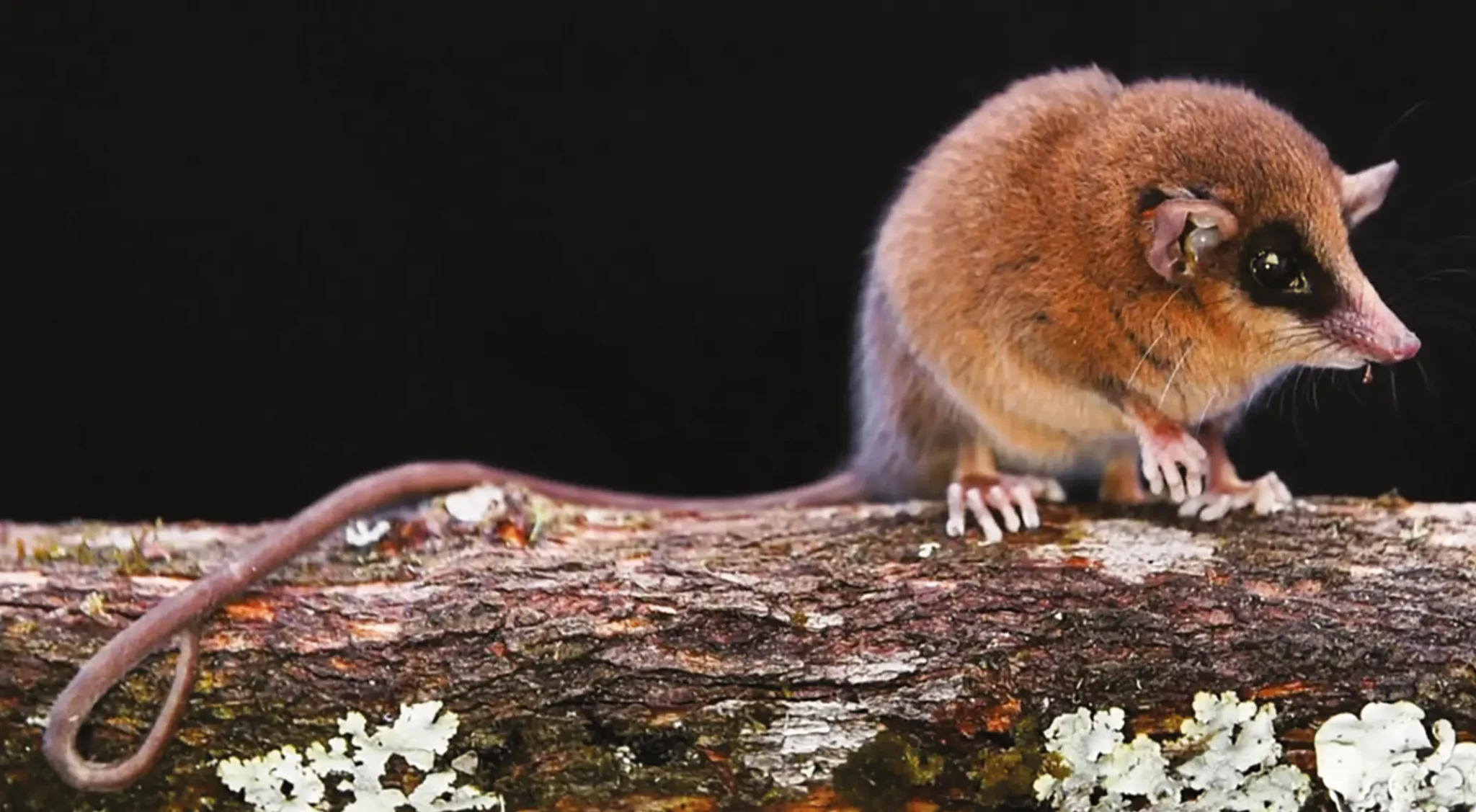
These findings range from beetles in the Manu National Park, orchids in Yanachaga Chemillé, Amazonian frogs in Alto Purús, reptiles in the Cotahuasi Sub-basin Landscape Reserve, to the Pudu carlae, a small endemic deer that captured international attention.
Each new species confirms that Peru continues to be a natural laboratory for global science, expanding the map of biological knowledge in the 21st century.
Extraordinary Biodiversity
The country is home to 5,738 species of fauna, and within its ANP, a remarkable wealth is safeguarded:
- 263 reptiles
- 312 amphibians
- 1,758 birds
- 447 mammals
This means that almost all the birds recorded in Peru (1,896 in total) are found in protected areas. Without these spaces, the country would lose its advantage as a world power in biodiversity.
Conservation and Monitoring
Sernanp highlighted that 96% of the surface of the ANP remains in good conservation status, even in a global context of accelerated biodiversity loss. To ensure this, 104 monitoring protocols are applied to 79 species (28 of flora and 51 of fauna), using tools such as:
- Camera traps
- Sonar and autonomous recorders
- Ecological assessment systems
These methods allow for tracking the presence of emblematic species such as the spectacled bear and the mountain tapir.
Strategic Functions of the ANP
Protected natural areas fulfill multiple roles:
- Biodiversity conservation: they protect endangered species and unique habitats.
- Ecosystem services: they regulate the climate, protect watershed headwaters, and supply clean water for consumption and agriculture.
- Sustainable development: they promote ecotourism, generating employment and billions of soles in revenue.
- Cultural heritage: they safeguard archaeological sites such as the Historic Sanctuary of Machupicchu.
- Climate change mitigation: they act as barriers against deforestation and forest loss.
Refuges Against Threats
In the Amazon and the northwest of the country, the ANP act as strategic refuges against illegal wildlife trafficking and other threats. Additionally, their ecosystems — peatlands, lichens, and mosses — serve as early warnings of climate change, reacting quickly to temperature and humidity variations.
Biodiversity is a strategic asset for Peru: it generates tourism, research, local employment, and international positioning. Recent discoveries reaffirm that the ANP are essential not only to conserve natural wealth but also to sustain food security and guarantee critical environmental services for millions of people.


