



A new international study led by The Global Health Network warns that climate change, structural poverty, and antimicrobial resistance are shaping a global health crisis that advances without headlines or political urgency, but with a devastating impact on the most vulnerable communities.
Published in Nature Scientific Reports, the work gathers the experience of 3,752 health professionals in 151 countries, with 87% of responses coming from low- and middle-income regions, where the consequences of this phenomenon are felt more intensely.
Expanding Diseases
The voices collected agree that diseases transmitted by mosquitoes and other vectors —such as malaria, dengue, and chikungunya— are rapidly growing.
They are joined by persistent threats such as tuberculosis and HIV/AIDS, which are reinventing themselves in contexts of social deterioration and unequal access to effective treatments.
Three Main Drivers of the Crisis
1. Climate Change
Higher temperatures and erratic rainfall patterns allow mosquitoes, ticks, and other vectors to appear in places where they previously could not survive. Floods and droughts force massive human displacements, increasing exposure and contagion.
Concrete examples:
- Mountainous areas of East Africa.
- Previously isolated Amazonian communities.
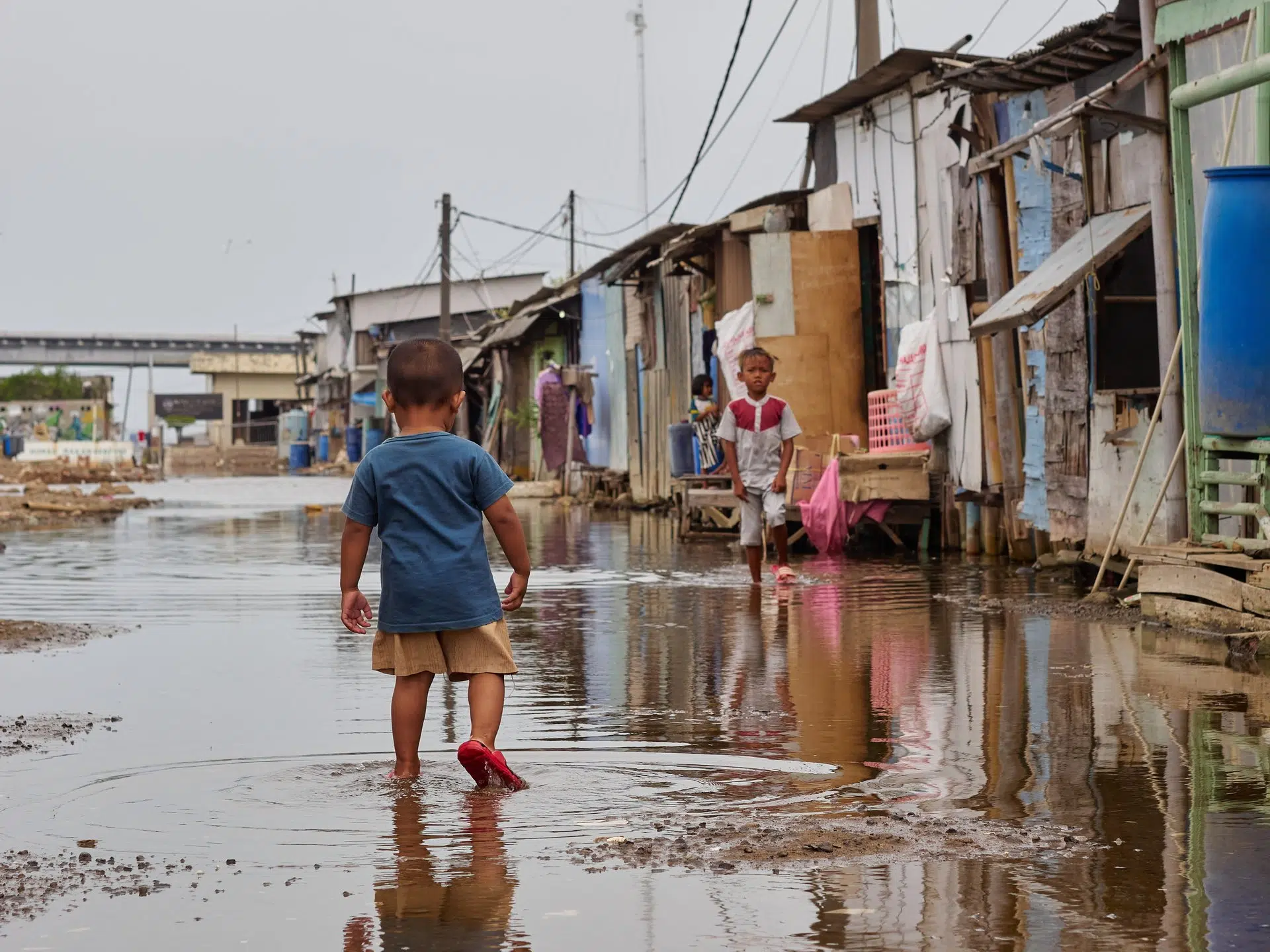
- Coastal areas of South Asia, where sea levels advance several meters each decade.
2. Socioeconomic Inequality
The lack of access to safe water, poor sanitation systems, and precarious housing multiply the risks. Poverty becomes the perfect substrate for any disease to spread. Where healthcare systems are fragile, even a moderate wave of cases can collapse them.
3. Antimicrobial Resistance
The indiscriminate use of antibiotics and self-medication in resource-scarce regions are weakening the ability to treat previously controlled infections. Resistance complicates both new and traditional diseases, creating a scenario of growing vulnerability.
A Threat Without Headlines
Professor Trudie Lang summarizes the situation:
“The next big global threat does not have to be a new explosive pandemic, but the constant worsening of diseases that already accompany millions of people.”
The worrying part is that this deterioration occurs without immediate media impact, without government mobilization, and without the sense of urgency generated by sudden outbreaks.
Economic and Social Consequences
The geographical expansion of these diseases could lead to:
- Loss of productivity.
- Hospital saturation.
- The need to strengthen healthcare infrastructure in unprepared regions.
The study authors call for strengthening early detection, epidemiological surveillance, and local scientific collaborations, avoiding unilateral approaches that marginalize the most affected regions.
Misaligned Priorities
Dr. Aliya Naheed, from Bangladesh, emphasizes that the priorities of low-income countries do not align with those of wealthy countries. For those living under extreme temperatures or alongside polluted rivers, the spread of dengue or the resurgence of tuberculosis are everyday problems, not future risks.
Global investment continues to focus on emerging diseases with high media impact, leaving behind the “usual” infections, which continue to kill silently.
Ecological Impact
The increase in infectious diseases also alters ecological processes:
- More insects adapted to heat modify food webs.
- Native species are displaced, and ecosystems already affected by droughts, fires, and biodiversity loss are pressured.
- The increased use of insecticides generates soil contamination, affects pollinators, and causes imbalances that are difficult to reverse.
Human health and environmental health are intertwined: when one deteriorates, the other does too.
The study confirms that the global health crisis will not necessarily arrive in the form of a new explosive pandemic, but as a silent catastrophe that advances day by day. Climate change, inequality, and antimicrobial resistance are drivers of constant deterioration that demand urgent actions of surveillance, scientific cooperation, and social justice.



