



The fishermen of the Valencian Community have become protagonists of a pioneering conservation project for the seahorses (Hippocampus hippocampus and Hippocampus guttulatus), species that are near vulnerability according to the IUCN.
In collaboration with the Oceanogràfic Foundation of Valencia and the Department of Agriculture, Water, Livestock, and Fisheries, sea professionals act as sentinels, detecting specimens accidentally caught and facilitating their rescue.
Since the end of 2022, the initiative has allowed the creation of a database with more than 300 registered specimens, which have been cared for and returned to their natural habitat. This joint work combines scientific knowledge, social commitment, and environmental sustainability.
The rescue protocol
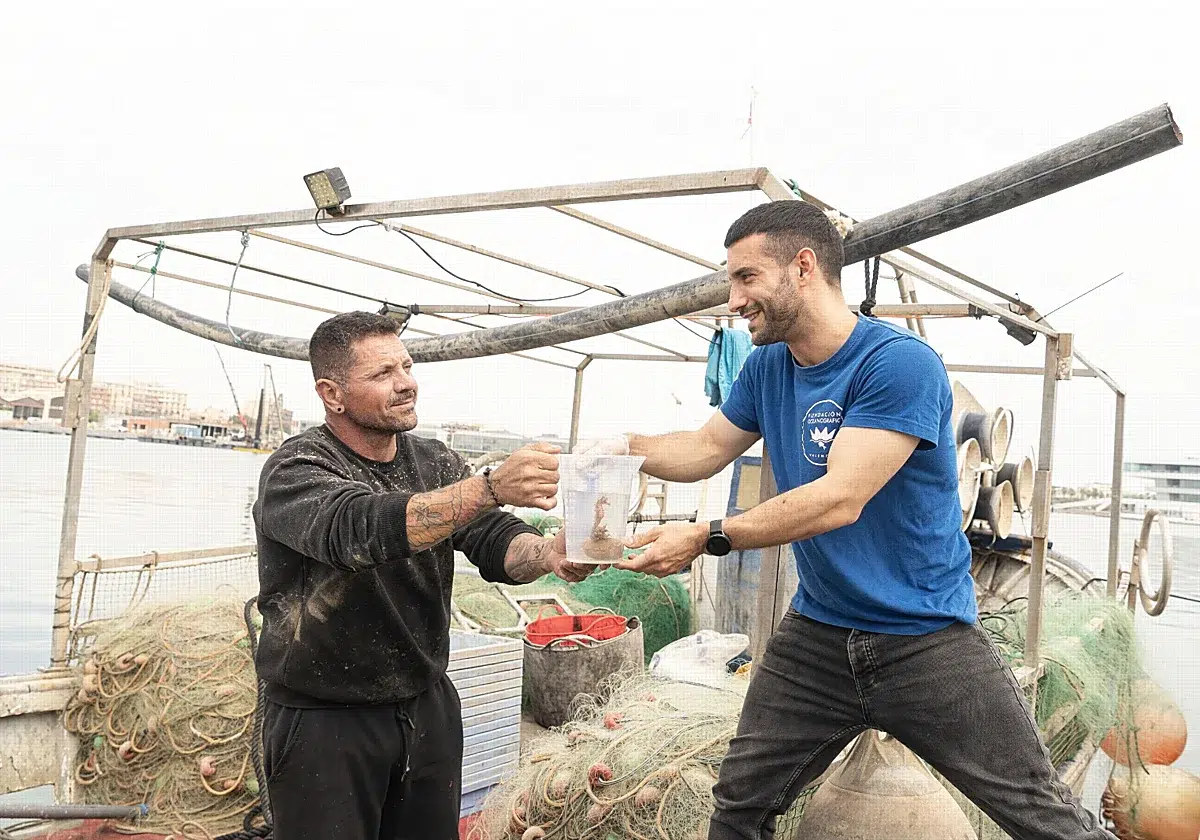
When a fisherman finds a seahorse in their nets, they activate a notification protocol. The Oceanogràfic Foundation team travels to the port, collects the animal, and transfers it to the Oceanogràfic Recovery Center, where it receives specialized veterinary care.
Subsequently, the specimen is reintroduced into the sea in previously studied areas through prospecting dives, ensuring optimal conditions for its survival. Additionally, a small tracking tag is placed on them, allowing for additional information in case of recapture or sighting.
Results and learnings
In just over three years, nearly 300 seahorses have been registered, allowing for:
- Identifying distribution areas along the Valencian coast.
- Analyzing size, sex, health status, and interaction with other species.
- Expanding knowledge about their biology and behavior.
The results show an increase in the participation of the guilds during 2026, with ports like Vinaròs, Benicarló, Peñíscola, Castelló, València, Gandia, Cullera, Dénia, and Xàbia standing out for their collaboration.
Importance of fishing participation
The involvement of fishermen is considered a fundamental pillar of the project. Their daily contact with the sea makes them strategic allies for conservation, as they provide key data and contribute to raising awareness about the importance of protecting these species and their habitats.
Beyond collecting specimens, their participation strengthens environmental awareness in coastal communities, promoting sustainable practices and a closer link between fishing activity and marine biodiversity protection.
The program demonstrates that collaboration between science and the fishing sector can make a difference in the conservation of vulnerable species. Seahorses, symbols of the Mediterranean, find in this alliance an opportunity to recover their populations and ensure their future.
The Valencian experience is emerging as a replicable model in other regions, where the union between scientific knowledge and traditional wisdom can become the key to facing the challenges of marine biodiversity.



