



For centuries, Iceland was one of the few places on the planet free of mosquitoes, thanks to its geographical isolation and an extreme climate that prevented larval development.
However, that privilege has just come to an end: for the first time, the presence of mosquitoes living in the country has been confirmed, an event that scientists consider a clear symptom of the advance of climate change.
A mirror of the new climate normal
Iceland, the last mosquito-free stronghold, now becomes a symbol of global transformation.
The change in climate patterns is opening routes for the migration of species, rewriting the biological geography of the planet and posing new challenges for public health and conservation in the coldest regions of the world.
The problem goes beyond the annoyance of buzzing: the expansion of these insects’ range increases the risk that tropical diseases like Zika or Dengue could reach higher latitudes, historically protected by the cold.
Natural defenses vs. climate impact
Historically, Iceland was protected by:
- Very short freeze-thaw cycles, which prevented larval development.
- Natural geographical isolation, with no entry routes for invasive species.
- Inhospitable freezing temperatures for mosquito survival.
Today, these defenses are weakened by:
- Less cold winters and longer thaw periods, allowing liquid water to persist.
- Possible entry routes via human transport, such as ships at the port of Grundartangi.
- Arctic warming four times faster than the global average, altering the climate balance.
The historic discovery
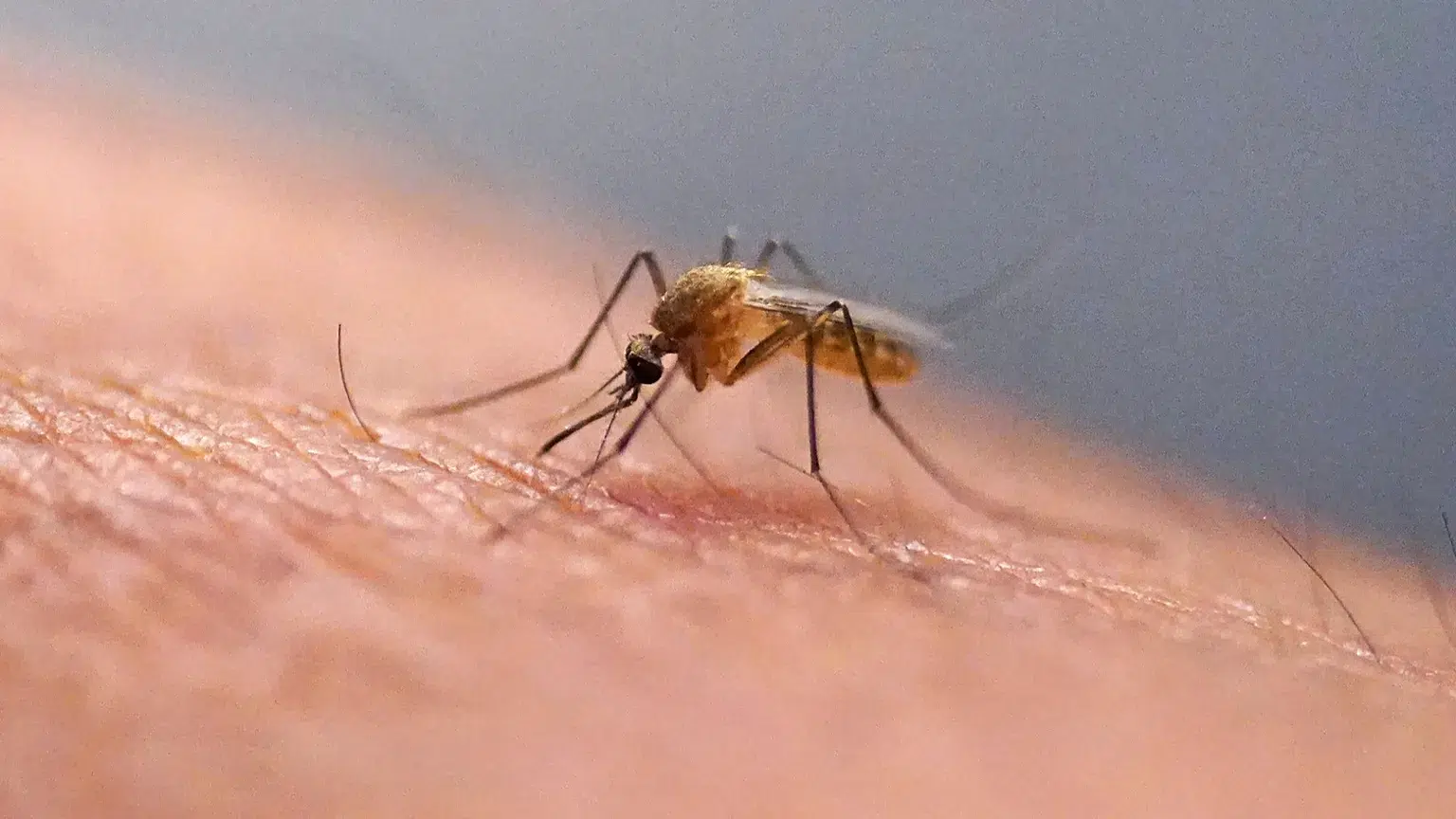
The discovery occurred in mid-October in Kiðafell, municipality of Kjós, in the south of the country. Three specimens were captured by Björn Hjaltason, an entomology enthusiast, using homemade traps with wine-soaked strings.
Subsequently, the entomologist Matthías Alfreðsson, from the Icelandic Institute of Natural Sciences, confirmed that the specimens belonged to the species Culiseta annulata, known for its cold resistance.
A species adapted to low temperatures
The Culiseta annulata is common in northern Europe and is characterized by its ability to survive at very low temperatures. According to Alfreðsson, these mosquitoes can overwinter sheltered in basements, stables, or warehouses, where the temperature remains above freezing. This hibernation ability could allow them to establish permanent colonies in Iceland.
Hjaltason himself suggested that the port of Grundartangi, near the capture area and with regular ship traffic, could have been the entry route. However, the determining factor for their survival is the progressive increase in temperatures in the region.
Climate change and new species in Iceland
According to data cited by The Guardian, the Arctic region is warming up to four times faster than the rest of the planet. This phenomenon is causing:
- Less cold winters and longer thaws, favoring larval development.
- Retreat of glaciers, altering the Icelandic landscape.
- Appearance of marine species typical of temperate latitudes, such as mackerel.
A global warning
For scientists, the presence of Culiseta annulata in Iceland is a warning that even the most remote ecosystems are no longer safe from the effects of climate change.
The arrival of mosquitoes in this territory reflects how global warming is transforming the planet’s biogeography and poses new challenges for public health and conservation in regions that until now seemed immune.
The discovery of mosquitoes in Iceland marks a historic milestone and confirms that climate change is reshaping the natural boundaries of species. What was once an insect-free refuge becomes a living laboratory of the effects of global warming, with direct implications for biodiversity and global health.



