



Recent scientific research warns about the reconfiguration of coastlines due to the rise in sea level, caused by the collapse of polar ice masses and the thermal expansion of the oceans in the coming centuries.
The international scientific community has focused on the evolution of the ice sheets of Greenland and Antarctica, warning that the sea level rise by 2300 could drastically redefine the planet’s geography.
This phenomenon, far from being a linear progression, responds to a complex interaction of climatic variables that already show signs of a worrying acceleration. According to current models, the magnitude of the impact will depend directly on the global capacity to curb the warming of the atmosphere and the oceans.
The drivers of geographical change
The redesign of coastlines on a global level is driven by three fundamental physical pillars. The first of these is the thermal expansion of water.
By absorbing the excess heat trapped by greenhouse gases, ocean water molecules expand, occupying a greater volume and consequently raising the sea level.
Secondly, the melting of mountain glaciers and continental ice sheets outside the poles continues to provide a constant flow of freshwater to ocean systems.
Although their volume is smaller compared to the poles, their contribution has been significant in recent decades.
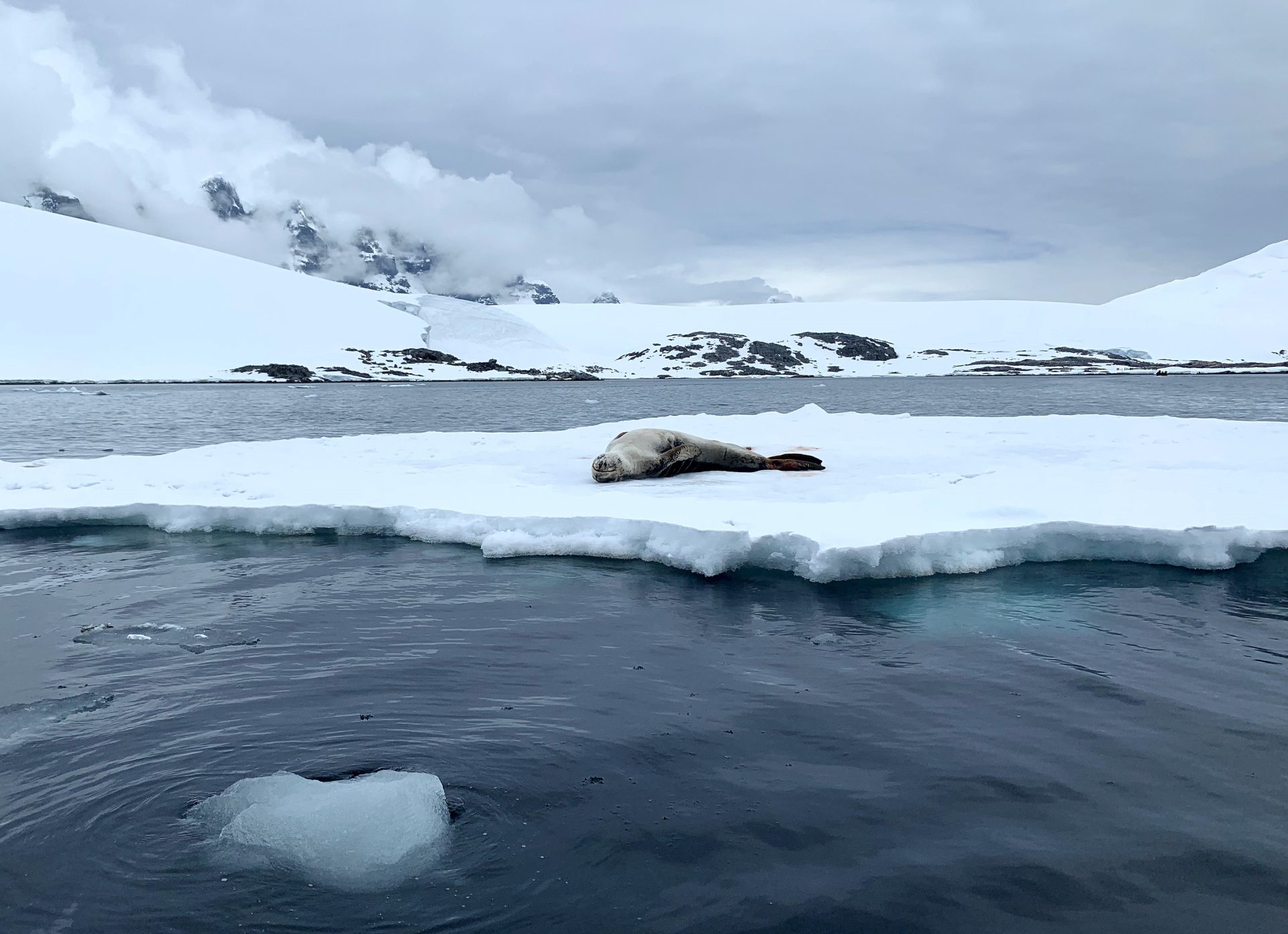
The third factor, and the most unpredictable according to experts, is the dynamic instability of ice sheets in Greenland and Antarctica. These enormous masses store enough water for the sea level rise by tens of meters.
The concern lies in the “points of no return“, where the collapse of ice shelves, especially in West Antarctica, could become irreversible, accelerating the ice discharge into the sea.
Projections towards the 23rd century
The long-term vision, set in the year 2300, allows scientists to assess the consequences of current decisions. Under high emission scenarios, the sea level rise by 2300 could reach catastrophic levels, submerging areas inhabited by hundreds of millions of people.
However, if the most ambitious emission reduction targets are met, the rate of elevation could slow down, providing a critical margin for the adaptation of coastal infrastructures.
The vulnerability of regions like the Arctic and the low-lying coasts of Asia and America highlights that this is not just an environmental problem, but a socioeconomic challenge of unprecedented scale. The transformation of the world map seems inevitable, but the speed and severity of this change are still in the hands of climate policies in the coming decades.


