



A recent scientific study revealed an amazing secret of octopuses. These animals not only possess incredible dexterity but are also highly tactile beings.
In other words, they have unique control over each of their eight limbs. The research, published in the journal Scientific Reports, shows how these cephalopods can not only perform multiple tasks at once but also reserve specific arms for specific functions.
A team effort with defined roles: how octopuses manage themselves
Marine biologists from various institutions recorded 25 octopuses of three different species in six ecosystems in Europe and America. They analyzed over 4000 arm movements, identified 15 different behaviors, and 12 types of movements.
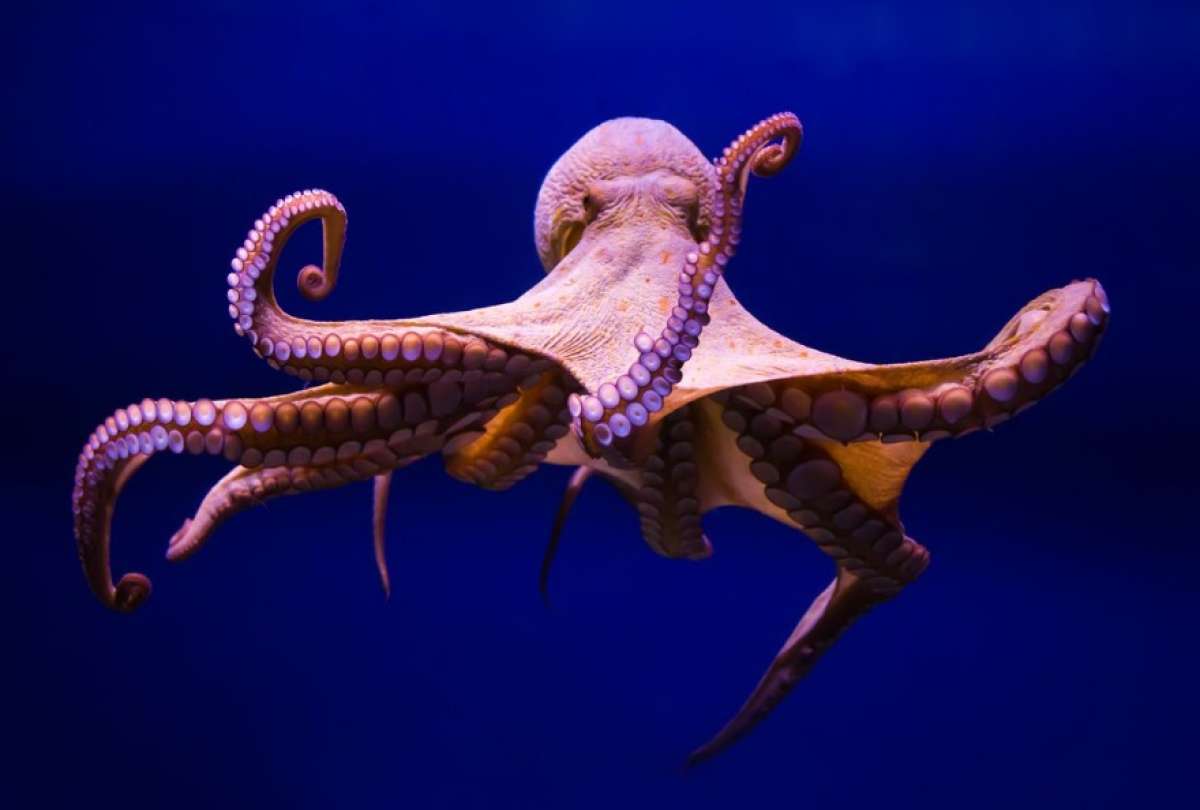
Although each of the eight arms is capable of performing any action, scientists noticed a pattern of specialization.
The study showed that octopuses use their front arms for environmental exploration in 64% of the occasions, while the rear limbs are mainly used for locomotion, with a usage of 36%.
However, the researchers found no evidence that octopuses are right- or left-handed, as the right and left legs were used in a balanced manner.
“When observing them in nature, we saw that octopuses use different combinations of movements of their arms,” explains marine biologist Chelsea O. Bennice in a related note.
“Sometimes, they use a specific arm for a task, such as catching food, and other times several arms work together for behaviors like crawling or hunting,” she details.
The “brain” in the tentacles: a decentralized nervous system
The fascination of scientists with these animals is due, in part, to the complexity of their arms. Each one has a unique muscular configuration that allows 6781 different deformations, giving them astonishing flexibility.
Additionally, the octopus’s suckers are “a chemo-tactile genius,” in the words of Roger Hanlon, a co-author of the study.
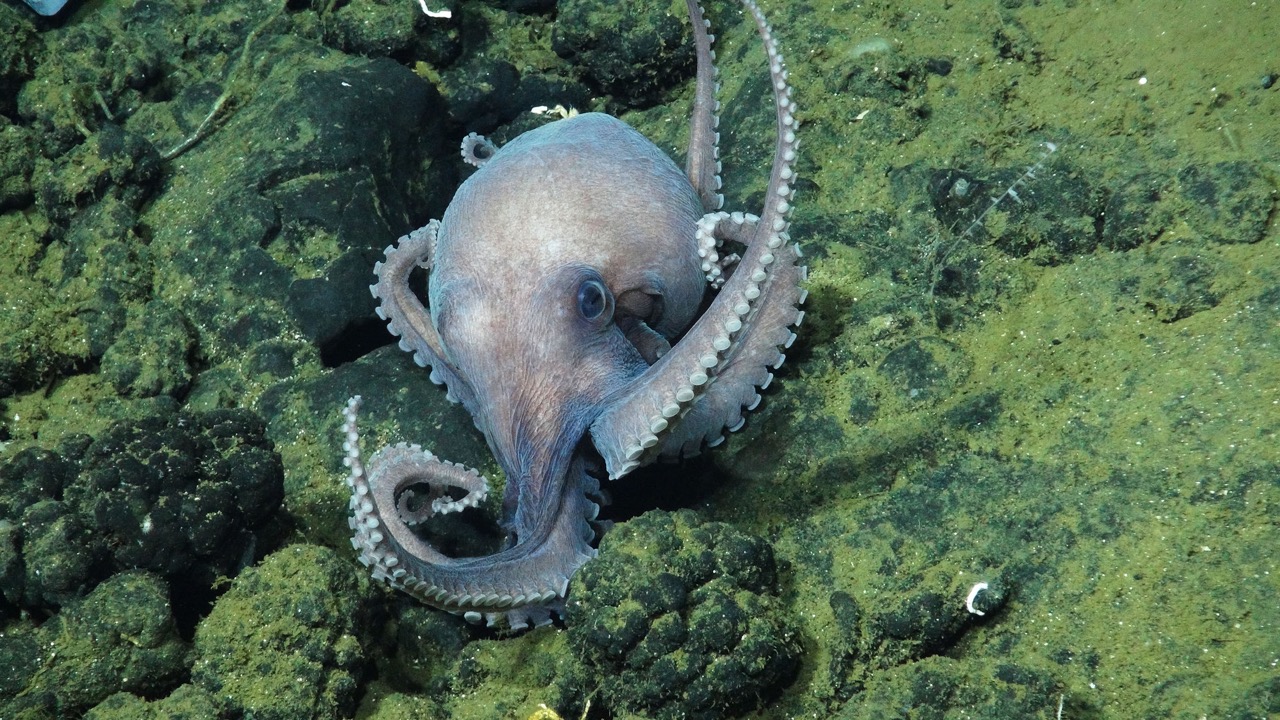
With about 100 suckers per arm (around 800 in total) and thousands of neurons in each one, the octopus has most of its nervous system outside the brain. It has been estimated that an octopus has around 500 million neurons, and the majority are distributed in its tentacles.
“Octopuses have seven times more neurons in the periphery than in the center,” explains Professor Antonio Figueras from CSIC. This distribution is opposite to humans. This feature led to them being described as animals with a “brain all over the body”, confirming that they are true “evolutionary Martians.”
The study was partially funded by the U.S. Naval Research Office, with the idea of applying these findings in the development of more flexible robotic arms with enhanced sensory capabilities.



